Most vitamin supplements aren't beneficial for health, study finds
Peer reviewed by Natalie HealeyAuthored by Ashwin BhandariOriginally published 9 Jul 2019
Meets Patient’s editorial guidelines
- DownloadDownload
- Share
- Language
- Discussion
- Ask Patient
- Audio Version
- Add to preferred sources on Google
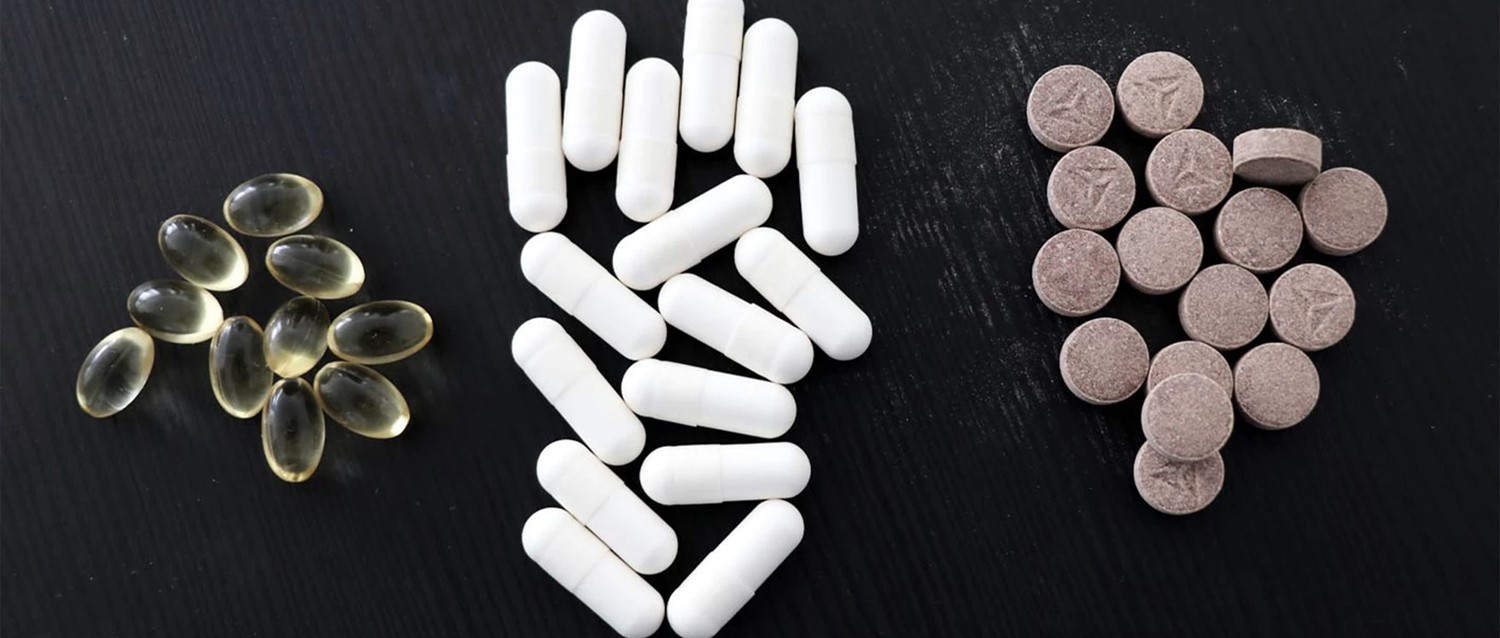
Vitamin supplements show little evidence of health benefits and some could actually be harmful, suggests new research.
Video picks for Vitamins and supplementsVideo library
Researchers from the University of West Virginia found that most dietary supplements do not have health benefits, and some could even cause harm.
The team reviewed data from over 270 trials, involving almost one million people. They looked into the effects of 16 different nutritional supplements, along with eight dietary interventions, on mortality and heart health.
Of the nutritional supplements reviewed, the only two that were found to be beneficial were folic acid and omega 3. While healthy eating patterns, such as the Mediterranean diet, or eating low fat, were found to have no effect on heart health. However, a diet low in salt was found to be beneficial for cardiovascular health.
The team also discovered that combining vitamin D tablets with a calcium pill could actually increase the risk of a stroke. But taking calcium or vitamin D alone seemed to have no effect on mortality or heart health whatsoever.
"The reason we conducted this study was that millions of people in the United States and across the world consume supplements or follow certain dietary patterns, but there was no good-quality evidence to suggest that these interventions have any effect on cardiovascular protection," lead author Dr Safi Khan said.
However, he admitted that there were limitations to these results, as most studies relied on participants keeping track of their supplement intake and eating habits through the use of food diaries. Evidence supporting the dangers of combining calcium and vitamin D supplements was not robust.
NHS guidance states that most people without pre-existing medical conditions do not need to take supplements, as a balanced diet should provide adults with all the necessary nutrients to stay healthy. The only exception is vitamin D which should be taken daily from October to May.
Susan Jebb, professor of diet and population health at University of Oxford, said: "This review confirms the vast majority of previous research that has failed to find benefits of most nutritional supplements. But the suggestion that dietary interventions have no benefit does not reflect the totality of the evidence."
Patient picks for Vitamins and supplements

Diet and nutrition
Do gummy vitamins work?
Gummy, chewable multivitamins are popular around the world among people who want to improve their diets. Although they taste like sweets, many promise to boost our health quickly with minimal effort. But are multivitamin gummies really that effective - and do we really need them?
by Lydia Smith
Pregnancy
Which pregnancy vitamins do I really need?
With so many pregnancy vitamins on the market, it can be hard to know where to begin. So which vitamins do you actually need during pregnancy and which are less essential?
by Abi Millar

Diet and nutrition
What are the benefits of vitamin A?
Our bodies need certain nutrients to perform day-to-day functions and without them you may start to see some health problems. One of those nutrients is vitamin A. What are the vitamin A benefits, where does it come from, and do you need to take supplements to get the right amount?
by Andrea Downey

Diet and nutrition
Vitamin A-rich foods could protect against skin cancer
People who consume foods rich in vitamin A are 17% less likely to develop a common form of skin cancer, according to experts at Brown University.
by Ashwin Bhandari

Diet and nutrition
How to get vitamin-ready for autumn and winter
Winter might be the last thing on your mind as you enjoy the ebbing rays of the sun but, make no mistake, those darker days with their accompanying coughs and sneezes are just around the corner. So, what can you do apart from stock up on tissues and Lemsip? Read on for your step-by-step plan to getting 'vitamin-ready' for winter.
by Dr Carrie Ruxton, PhD, Child Nutrition

Mental health
Do supplements work for depression?
Many dietary supplements are marketed to people with low mood. But is there any evidence that taking them can make you feel better?
by Natalie Healey
About the authorView full bio
Authored by

Ashwin Bhandari
Medical Writer
BA Journalism
About the reviewerView full bio

Natalie Healey
Freelance journalist
BSc (Hons) Biomedical Science
She is a London-based health journalist who has been writing about science and medicine for several years. She is the former head of editorial at Patient.
Article history
Article also available in English, German, Spanish, French, Italian, Portuguese, Hindi, Hebrew, Arabic, and Swedish.
9 Jul 2019 | Originally published
Authored by:
Ashwin BhandariPeer reviewed by
Natalie Healey
Share your thoughts or experiences with others in our patient communities.
Sign up to the Patient newsletter
Your weekly dose of clear, trustworthy health advice - written to help you feel informed, confident and in control.
By subscribing you accept our Privacy Policy. You can unsubscribe at any time. We never sell your data.