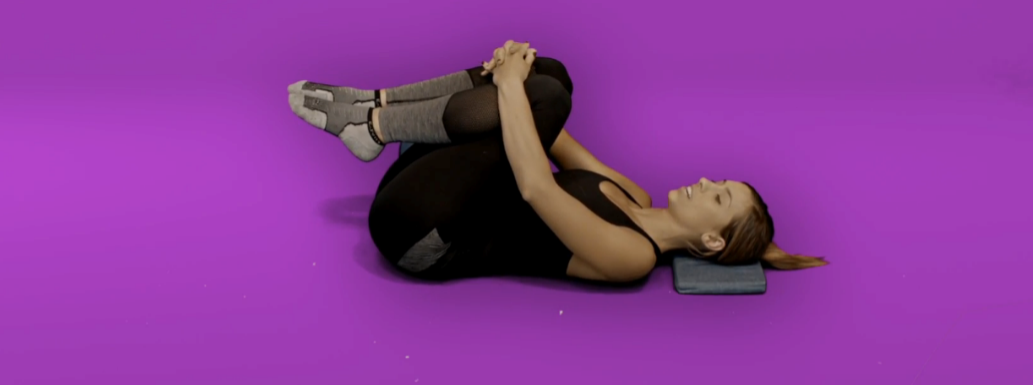
Video: Back pain exercises
Peer reviewed by Charlene O'LearyLast updated by Lilly Sabri, MHPCLast updated 16 Nov 2017
Meets Patient’s editorial guidelines
- DownloadDownload
- Share
- Language
- Discussion
- Audio Version
- Add to preferred sources on Google
Back pain is very common but in most cases is not caused by a serious problem. Most cases of back pain resolve on their own within two weeks, and full recovery is made within four to six weeks.
Playlist: Back Pain Exercises
3 videos
Lower Back Stretches (Sitting Routine)
Lilly Sabri, MHPC
Lower Back Stretches (Sitting Routine)
Lilly Sabri, MHPC
Lower Back Stretches (Standing Routine)
Lilly Sabri, MHPC

Spinal Stretches
Lilly Sabri, MHPC
Back pain stretches
Single leg knee hugs
Lie on your back and hug one knee into the chest.
Keep the opposite leg either straight or bend it if this position aggravates your back pain.
Hold this position for 10 seconds and repeat 10 times, twice daily.
Double leg knee hugs
Lie on your back and hug both knees into the chest.
Gently rock side to side, back and forth and in a circular motion to massage out the lower back.
Complete for 30 seconds, twice daily.
Lower back rotations (sitting)
Lie on your back with your knees bent.
Relax arms away from the body - palms facing upwards.
Place a pillow in between the knees.
Roll both legs over in one direction, whilst turning the head in the opposite direction.
Hold this position for 10 seconds and repeat eight times in each direction, twice daily.
To increase the stretch
Lie on your back with your knees bent.
Relax your arms away from the body - palms facing upwards.
With your inner thighs touching, drop both legs over in one direction, rotating your head in the opposite direction.
Increase the height of the upper knee by a few inches.
Using the opposite hand to knee, apply a light pressure down on the upper knee to increase the stretch in the lower back.
Hold the stretch for 20 seconds; repeat three times on each side, twice daily.
Lower back stretches (standing)
Stand upright with your arms relaxed on to your upper thighs
Start by bending at the hips to slide your hands down your thighs towards the floor as far as possible.
Repeat this exercise in side flexion, by placing your hands by your sides and sliding the hand down the outer thigh in one direction. Try to keep the body upright as if in between two panes of glass.
Repeat this exercise into extension, by placing your hands on your lower back for support. Arch the lower back slowly and carefully to increase the bend in the lower back. Stop immediately if you experience any pain.
Hold all exercises for 10 seconds, before returning to the standing position. Repeat 10 times each.
Spinal stretches
Cat and camel spinal stretch
Position yourself on all fours with the hands directly under the shoulders, and knees under hips.
Complete the cat stretch by taking the eye gaze to the knees; grow tall through the spine and pull the stomach muscles inwards.
Reverse this stretch into camel by taking the eye gaze to the fingertips; drop the mid and lower back towards the floor, squeezing the shoulder blades together and keeping the shoulders away from the ears.
Repeat 20 times in each direction, keeping the movements slow and controlled.
Worship pose
Starting position is on all fours.
Drop the bottom towards the heels, resting your glutes on your heels if possible.
Then reach your arms forward into the worship pose position.
Hold the stretch for 20 seconds; repeat three times, twice daily.
If you’re unable to touch your bottom to the heels, open the knees wider and place a pillow between the calves and bottom.
If you have severe back pain, if your back pain has not improved after two weeks, or if you are experiencing any of the following symptoms, you should contact your doctor: numbness in your genital area; pins and needles or numbness/altered sensation down your legs; altered walking patterns, ie losing balance and falling over; unexplained weight loss or gain; or night pain.
Presuming all the above symptoms are not present, pain is more likely to be mechanical and caused by a sprain, strain or poor posture.
The exercises outlined above are recommended to help relieve pain and increase your active range of movement. It is advised that you complete these exercises for 6-8 weeks to prevent the symptoms from returning.
Should pain worsen or persist for longer than two weeks, please contact your doctor for a referral to a physiotherapist for a more detailed assessment.
Once your symptoms are controlled it's worth getting into the habit of doing them once or twice a day to reduce the risk of symptoms coming back.
Patient picks for Back pain

Bones, joints and muscles
The best exercises for back pain
Back pain affects nearly everyone at some point in their life. Whether it's due to a work-related injury or a fall, back pain - specifically in your lower back - causes more disability than any other condition according the World Health Organization (WHO). Yet despite how debilitating back pain can be, the good news is, there are ways to ease some of this pain and get you back to feeling like yourself again.
by Lynn Stephen

Bones, joints and muscles
Can a standing desk really help your back pain?
I'll admit it - I'm a sloucher. I've been a committed sloucher since my schooldays where sitting up straight wasn't the posture to adopt if you wanted to be of one of the cool kids. Fast-forward twentyish years and those sloppy sitting days have come back to haunt me.
by Danny Chadburn
About the authorView full bio

Lilly Sabri, MHPC
Physiotherapist, Personal Trainer
BSc Physiotherapy, MCSP, MHPC, MAACP, MACSPM
Lilly Sabri is a chartered Physiotherapist, APPI pilates instructor, fitness, health and lifestyle influencer and founder of #LeanWithLilly.
About the reviewer

Charlene O'Leary
Article history
The information on this page is peer reviewed by qualified clinicians.
Article also available in English, German, Spanish, French, Italian, Portuguese, Hindi, Hebrew, Arabic, and Swedish.
16 Nov 2017 | Latest version
Join the conversation
Share your thoughts or experiences with others in our patient communities.

Ask, share, connect.
Browse discussions, ask questions, and share experiences across hundreds of health topics.

Feeling unwell?
Assess your symptoms online for free
Sign up to the Patient newsletter
Your weekly dose of clear, trustworthy health advice - written to help you feel informed, confident and in control.
By subscribing you accept our Privacy Policy. You can unsubscribe at any time. We never sell your data.
More in bones, joints and muscles
- 10 sources of plant-based protein for bone health
- Back pain and exercises videos
- Beat the chill: why movement matters for your joints in cold weather
- Gout diet: foods to eat and avoid
- How obesity affects joint health - and what you can do about it
- How to ease joint pain during the menopause
- How to relieve sciatica pain
- How to treat tennis elbow at home
- Is running bad for your knees?
- Knee health: how to prevent knee injuries
- The best exercises for back pain
- The best resistance band workouts to build muscle
- Things you might not know about cleidocranial dysplasia
- What is 40-year-old shoulder?
- What is hypermobility syndrome?
- What is sarcopenia?
- Why do my joints hurt when the weather changes?
- Why the menopause may cause osteoporosis
- Wimbledon serves as a reminder: take your joint pain seriously
- Women's health in sport: injuries, menstruation, and motherhood