
Kann ein neuer Bluttest Lungenkrebs frühzeitig erkennen?
Begutachtet von Joe CrowtherZuletzt aktualisiert von Milly EvansZuletzt aktualisiert 9. Sept. 2019
Erfüllt die Anforderungen des Patienten Richtlinien des Patienten
- HerunterladenHerunterladen
- Teilen
- Language
- Diskussion
- Audio-Version
- Zu bevorzugten Quellen bei Google hinzufügen
New research suggests that a ground-breaking blood test could reduce the number of deaths from lung cancer each year.
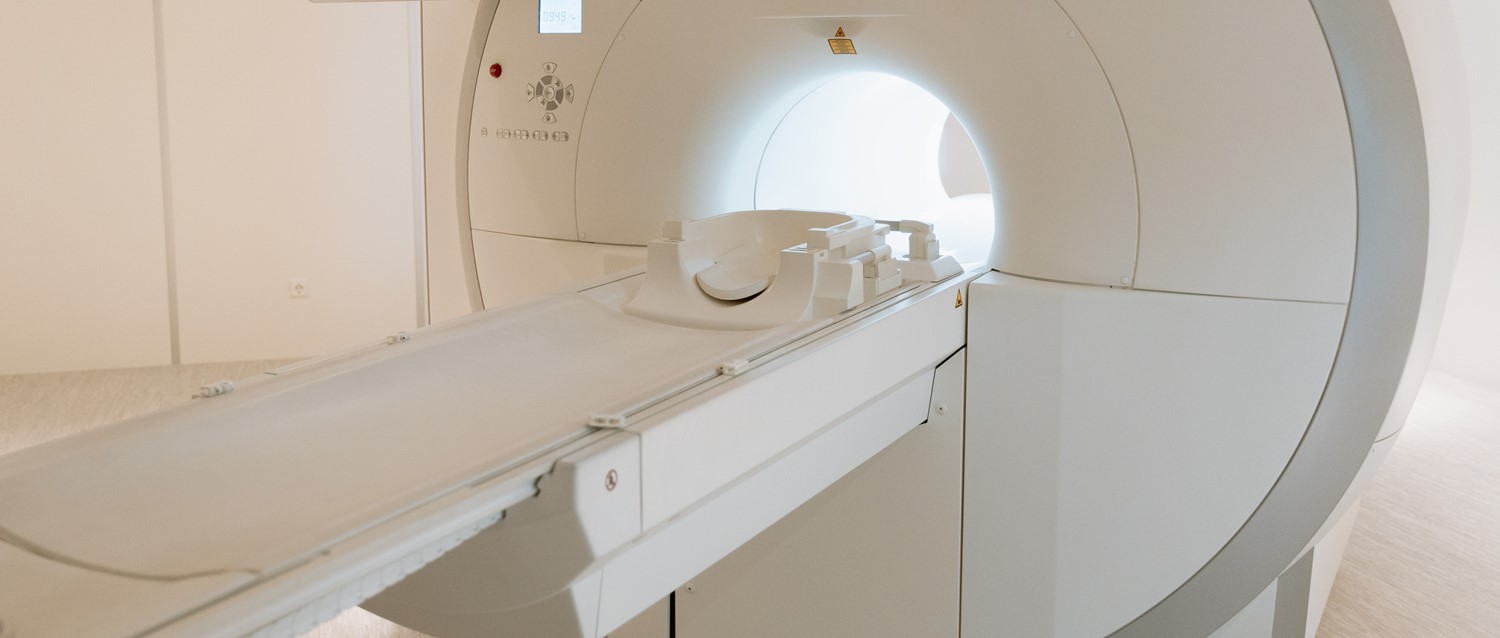
The study, presented at the International Association for the Study of Lung Cancer (IASLC) 2019 World Conference, showed that using a Bluttest as well as current CT-Scan techniques can detect those at high risk of Lungenkrebs. This could reduce the number of late diagnoses and save lives.
Lung cancer is the third most common cancer in the UK, with around 47,200 new cases each year. Around three quarters of cases are diagnosed at a late stage when it is far more difficult to treat. As such, it is the most common cause of death from cancer, with only 32% surviving lung cancer for a year or more after diagnosis. Rauchen is the biggest risk factor for lung cancer.
Currently, if a doctor suspects that a patient might have lung cancer, the patient will usually be offered an Röntgenbild followed by a CT scan and other tests to find out the stage and type of cancer.
Der zeigt die Forschung from the University of St Andrews involved using the EarlyCDT-Lung Test, an antibody diagnostic blood test which can be used to detect early lung cancer. It detects the antibodies made by the immune system as a defence against cancer cells.
In a trial of 12,208 high-risk patients in Scotland, those who had the blood test were diagnosed at an earlier stage than the control group receiving standard care.
If patients tested positive for lung cancer antibodies following the blood test, they were offered a chest X-ray and CT scan. If the initial CT scan did not show any signs of lung cancer, the patients were offered scans every six months over the next two years.
During the two years of the study, 127 lung cancers were diagnosed, 56 in the blood test group and 71 in the control group. Significantly, only 33 of those in the blood test group were diagnosed at a late stage compared to 52 in the control group.
Although the study was not designed to look into mortality rates from lung cancer, the researchers found a "non-significant trend suggesting fewer deaths in the intervention arm compared to the control".
"Our results show that the combination of the EarlyCDT-Lung followed by CT imaging in those with a positive blood test, results in a significant decrease in late-stage diagnosis of lung cancer and may decrease all cause and lung cancer specific mortality," said Professor Frank Sullivan, leader of the study from the University of St Andrews. The team plans to continue its research and follow up on all of the participants' lung cancer and mortality outcomes.
Patientenauswahl für Lungenkrebs
Krebs
Was sind die Stadien von Lungenkrebs?
Lungenkrebs ist die dritthäufigste Krebsart im Vereinigten Königreich, nach Brust- und Prostatakrebs. Gesundheitsfachkräfte nutzen die Stadien des Lungenkrebses, um festzustellen, wie fortgeschritten der Krebs ist und welche Behandlungen am effektivsten sein könnten. Die Stadieneinteilung von Lungenkrebs spielt daher eine entscheidende Rolle bei der Verbesserung der Überlebensraten.
von Amberley Davis

Krebs
Lungenkrebs bei Nichtrauchern ist häufiger, als Sie denken
Around 6,000 people who have never smoked die from lung cancer each year. Some experts believe that because it's primarily seen as a 'smoker's disease, lung cancer doesn't get the attention or funding it deserves. We explore how such stigma affects patients and the risk factors for the condition.
von Ellie Broughton
Über den AutorVollständige Biografie anzeigen

Milly Evans
Redakteurin
Milly schreibt über eine Vielzahl von Gesundheitsthemen, mit besonderem Interesse an gesundheitlicher Ungleichheit und sexueller Gesundheit.
Über den Rezensenten

Joe Crowther
Artikelverlauf
Die Informationen auf dieser Seite werden von qualifizierten Klinikern begutachtet.
Artikel auch verfügbar in Englisch, Deutsch, Spanisch, Französisch, Italienisch, Portugiesisch, Hindi, Hebräisch, Arabisch, und Schwedisch.
9. Sept. 2019 | Neueste Version
9. Sept. 2019 | Ursprünglich veröffentlicht

Fragen, teilen, verbinden.
Durchsuchen Sie Diskussionen, stellen Sie Fragen und teilen Sie Erfahrungen zu Hunderten von Gesundheitsthemen.

Fühlen Sie sich unwohl?
Bewerten Sie Ihre Symptome online kostenlos
Abonnieren Sie den Patienten-Newsletter
Ihre wöchentliche Dosis klarer, vertrauenswürdiger Gesundheitsberatung - geschrieben, um Ihnen zu helfen, sich informiert, selbstbewusst und in Kontrolle zu fühlen.
Durch das Abonnieren akzeptieren Sie unsere Datenschutzrichtlinie. Sie können sich jederzeit abmelden. Wir verkaufen Ihre Daten niemals.
Mehr über Krebs
- 8 Tipps, um Ihr Krebsrisiko in jedem Alter zu senken
- Kann Ihre Ernährung das Krebsrisiko senken?
- Krebsbedingte Müdigkeit: Was es ist und wie man damit umgeht
- Anzeichen von Gebärmutterhalskrebs und worauf man achten sollte
- Umgang mit Trauer nach dem Verlust eines geliebten Menschen durch Lungenkrebs
- Beeinflusst Hodenkrebs Ihre Fruchtbarkeit?
- 'Freundliche' Bakterien in der Vagina könnten vor Eierstockkrebs schützen
- Wie überprüfen wir auf Darmkrebs?
- Wie man mit einer unheilbaren Krankheit an Weihnachten umgeht
- Wie man mit metastasierendem Brustkrebs umgeht
- Spezialisierte Krebstherapie im Komfort Ihres eigenen Zuhauses
- Unterstützung eines geliebten Menschen mit einer Krebsdiagnose
- Was ein abnormales Abstrichergebnis bedeuten könnte
- Was sind die frühen Warnzeichen für Darmkrebs?
- Wie es ist, Brustkrebs zu haben, wenn man ein Mann ist
- Wie es ist, mit Krebserschöpfung zu leben
- Warum Darmkrebsvorsorge so wichtig ist
- Warum nimmt Hautkrebs bei älteren Erwachsenen zu?
- Warum wir alle 'brustbewusst' sein müssen'
- Frauen 'nicht gewarnt' vor Nebenwirkungen der Behandlung zur Entfernung von präkanzerösen Zellen am Gebärmutterhals