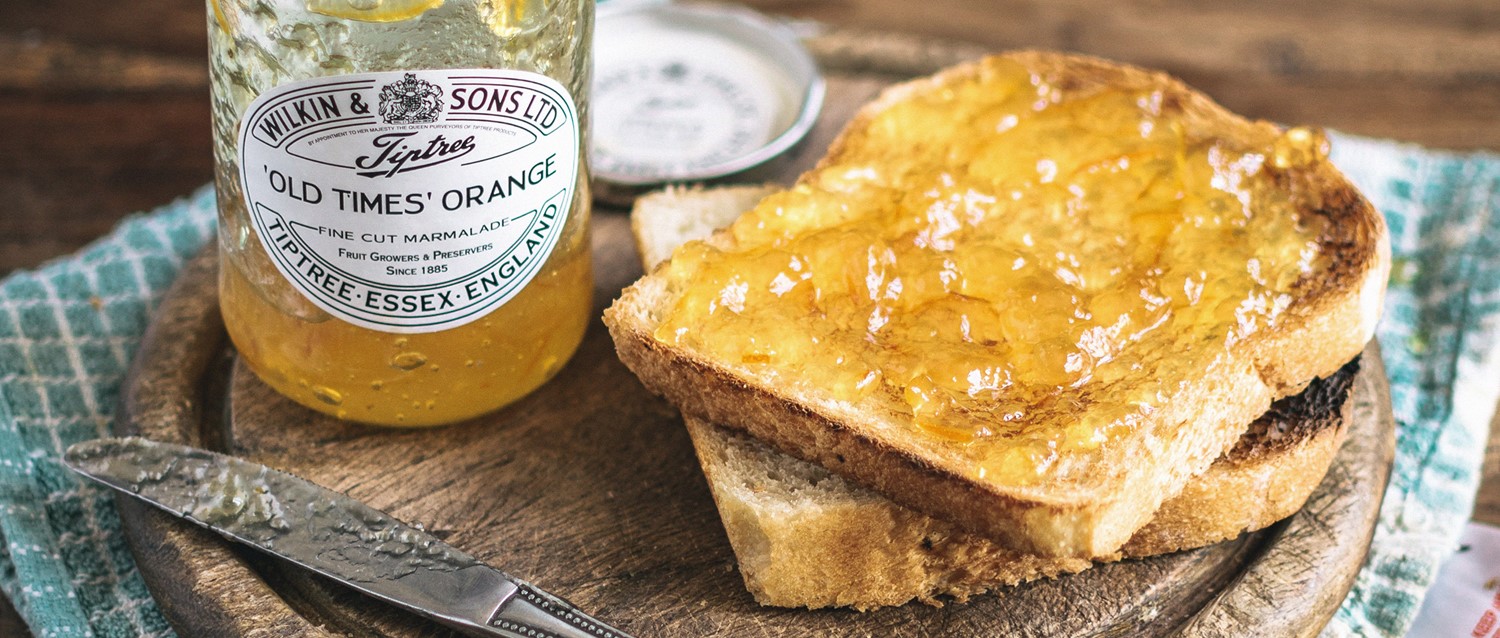
Can burnt toast really cause cancer?
Peer reviewed by Dr Colin Tidy, MRCGPLast updated by Dr Sarah JarvisLast updated 26 Nov 2018
Meets Patient’s editorial guidelines
- DownloadDownload
- Share
- Language
- Discussion
- Audio Version
- Add to preferred sources on Google
Acrylamide is a chemical formed when starchy foods, such as potatoes and bread, are cooked at high temperatures. Many scare stories have linked this chemical to an increased risk of cancer, but what's the truth?
Sometimes I feel the only way to avoid cancer headlines would be to move to a desert island (obviously without internet connection).
But rumours are still swirling about acrylamide, likely because of a campaign nearly two years ago from the Food Standards Agency about how we should all stop burning our toast. Well, to be precise, we should stop eating burnt toast, dark brown roast potatoes or parsnips on a regular basis, turning the toaster dial down instead to provide no more than a light golden yellow.
What does the evidence say?
The warning came after studies of rodents exposed to high levels of acrylamide saw their risk of developing some forms of breast, testicular and thyroid cancer increased.
But several reviews of evidence for a possible link with cancer in humans have proved inconclusive. At least in part, because it wouldn't be ethical to divide a group of humans randomly in two and feed half of them a possible cancer-causing agent.
The World Health Organization has classified acrylamide as 'probably carcinogenic to humans'. But Cancer Research UK's website highlights a 2007 study following 100,000 US nurses over 20 years, with regular questionnaires about their eating habits. They found that these women's intake of acrylamide was not linked to their risk of cancer.
Acrylamide is produced in starchy foods (like potatoes, parsnips and bread) when cooked at high temperatures above 120°C. Toasting, frying or roasting does the trick, and levels rise with length at this temperature - so levels are lower in boiled or mashed potatoes. Biscuits, breakfast cereals and cakes can also contain acrylamide. Storing foods like potatoes and parsnips in the fridge may raise their free-sugar levels, meaning they produce more acrylamide when cooked.
Should you step away from the toaster?
Taken on its own, I won't be losing too much sleep over acrylamide. Animal studies showing a link with cancer involved levels 1,000 to 100,000 higher than those in the human diet. The Food Standards Agency certainly isn't suggesting that the odd roast potato contains enough acrylamide to do any harm on its own.
In fact, you'd have to have a serious chip habit to put yourself in harm's way. Most humans take in 0.3 to 0.8 micrograms/kg of body weight daily - while the European Food Standards Agency suggests risk starts with daily intake levels of 170 micrograms/kg body weight.
I'd far rather my patients gave up smoking (cigarette smoke contains acrylamide, in case you're wondering) than deprive themselves of the odd piece of crunchy toast.
Fried food, of course, is high in calories, and creates a link between obesity and cancer, including breast, bowel, cervical and kidney cancers. The Food Standard Agency's advice to eat a varied and balanced diet is sensible. But it's the same message I, and thousands of other doctors, have been banging on about for years.
Patient picks for Bowel cancer

Cancer
Tips to beat bowel cancer
Of course nobody wants cancer, and you may believe it’s easier not to think about it. But bowel cancer doesn't go away just because you ignore it. And if you do have it, getting treatment early can save your life. It also means you’re likely to need less extreme treatment, with fewer side effects.
by Dr Sarah Jarvis
Cancer
What are the early warning signs of bowel cancer?
It’s easy to dismiss a change in your toilet habits or to brush off stomach aches and bloating as dietary issues. However, if these issues are persistent and unexplained, they may be signs of bowel cancer - and spotting them early is very important.
by Lynn Stephen
About the authorView full bio

Dr Sarah Jarvis
Clinical Consultant
MA (Cantab), BM, BCh (Oxon), DRCOG, FRCGP, MBE
After training in medicine at Cambridge and Oxford, Dr Sarah Jarvis MBE became a GP.
About the reviewerView full bio

Dr Colin Tidy, MRCGP
General Practitioner, Medical Author
MBBS, MRCGP, MRCP (Paediatrics), DCH
Dr Colin Tidy is an NHS Doctor, based in Oxfordshire.
Article history
The information on this page is peer reviewed by qualified clinicians.
Article also available in English, German, Spanish, French, Italian, Portuguese, Hindi, Hebrew, Arabic, and Swedish.
26 Nov 2018 | Latest version
Join the conversation
Share your thoughts or experiences with others in our patient communities.

Ask, share, connect.
Browse discussions, ask questions, and share experiences across hundreds of health topics.

Feeling unwell?
Assess your symptoms online for free
Sign up to the Patient newsletter
Your weekly dose of clear, trustworthy health advice - written to help you feel informed, confident and in control.
By subscribing you accept our Privacy Policy. You can unsubscribe at any time. We never sell your data.
More in cancer
- Can a new blood test detect lung cancer early?
- Coping with grief after losing a loved one to lung cancer
- How cancer can affect your sex life
- How to cope with anxiety after cancer
- How to cope with metastatic breast cancer
- How to spot the warning signs of gynaecological cancer
- Is it prostate cancer or something else?
- Less survivable cancers are more likely to have late diagnoses
- NHS to roll out world-first blood test for cancer
- Ovarian cancer symptoms diary
- PSA testing options
- Smear test myths you need to stop believing
- Supporting a loved one with a cancer diagnosis
- What are the early warning signs of blood cancer?
- Why are men less likely to wear sun cream?
- Why bowel cancer screening is so important
- Why do young LGBTQ+ people have a poorer experience of cancer care?
- Why we all need to be 'breast aware'
- Why you shouldn't skip your smear test
- Women 'not warned' about side effects of treatment to remove precancerous cervical cells