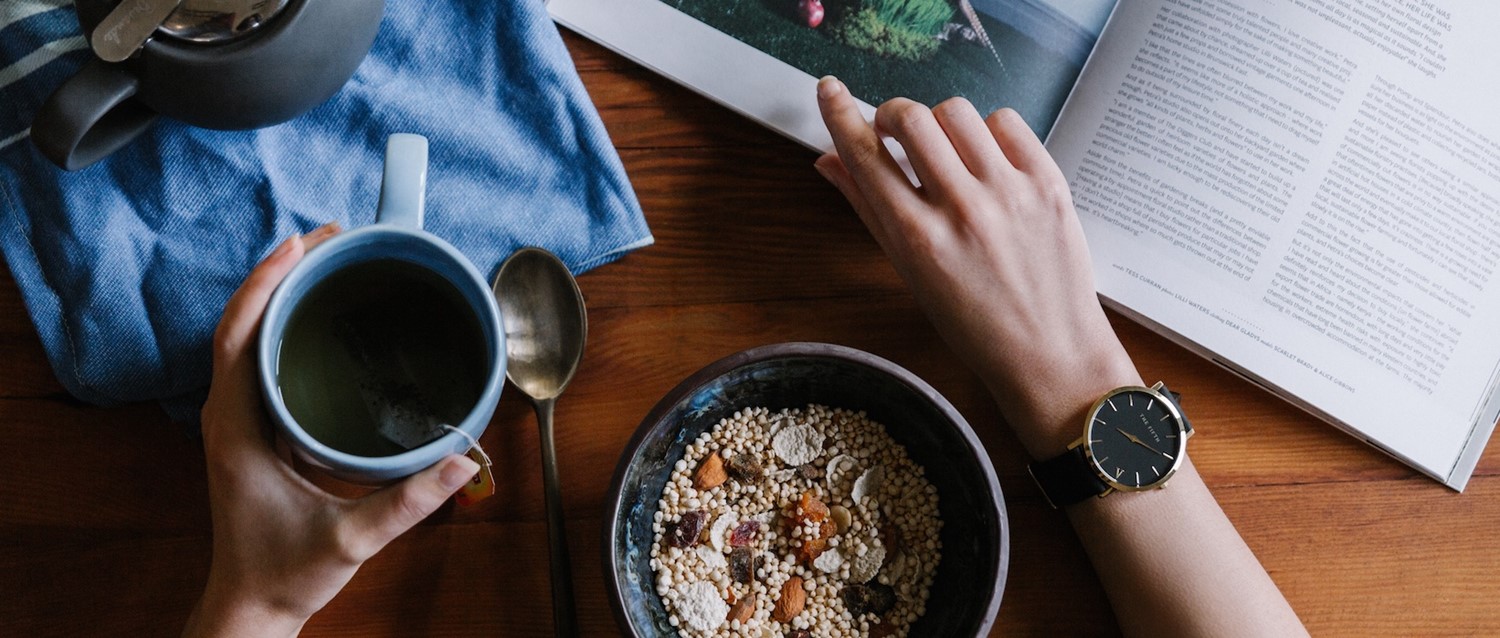
Can your diet reduce the risk of cancer?
Peer reviewed by Dr Hayley Willacy, FRCGP Authored by Dr Sarah JarvisOriginally published 15 Feb 2018
Meets Patient’s editorial guidelines
- DownloadDownload
- Share
- Language
- Discussion
- Audio Version
- Add to preferred sources on Google
The good news – we’re living longer than ever. The down side is that as we live longer, up to half of us are likely to get cancer. You can’t guarantee avoiding it, but research suggests simple diet changes could improve your odds.
The huge improvements in life expectancy are a cause for celebration. They’re largely down to reductions in death rates from heart attack and stroke – both conditions where lifestyle plays a major role. I’m quite sure I don’t need to remind you that stopping smoking will cut your risk of heart attack, stroke, cancer and a host of other medical conditions.
So too will regular exercise and keeping your weight under control – being seriously overweight raises your risk of certain cancers by as much as 50%. Keeping your weight down and taking regular exercise can also help reduce your risk of many cancers as well as type 2 diabetes.
You are what you eat
I sometimes feel my patients see me as a miserable spoilsport, always nagging them to give up the things they enjoy. But I’m a human being too. I know it’s natural to crave ‘forbidden fruit’. So I tend to take a pragmatic approach, along the lines of suggesting that it’s not what you eat today, it’s what you eat every day that counts. If you love chocolate, reward yourself with the occasional treat – but make sure you don’t invent special occasions every day!
For most cancers, there’s a threshold of alcohol intake above which your risk starts to increase. Sticking to recommended limits (men and women should drink no more than 14 units of alcohol per week, no more than three units in any one day and have at least two alcohol-free days a week) won’t increase your risk of most cancers, except breast cancer and possibly prostate cancer. Any regular alcohol intake raises your chance of getting breast cancer, so try to have regular alcohol free days or keep it for high days and holidays.
There’s emerging scientific evidence that some foods could play an important role in cutting your risk of cancer. The World Cancer Research Fund estimates that more than two in five cases of breast, colon, stomach and pancreatic cancer could be prevented with the right combination of diet, exercise and weight control.
Ultra-processed
A February 2018 study published in the British Medical Journal followed over 100,000 people over 8 years with regular detailed records of what they ate, from a range of 3300 foods. Their findings suggested that a 10% rise in the proportion of 'ultra-processed' foods was linked to a 12% increase in the risk of breast and other cancers.
The foods they classified as 'ultra-processed included:
packaged mass produced (not fresh) bread and cakes
sugary packet cereals
crisps and sweet packaged snacks
fizzy drinks
chicken nuggets and processed meat like bacon, salami and chorizo
instant noodles and soupls
other foods made 'mostly or entirely from sugar, oils and fats'.
Fresh bread and red meat weren't associated with any rise, while a diet high in fresh fruit, veg and food cooked from scratch was linked to a lower risk of cancer.
As with all these studies, there are caveats - many foods were lumped together and it's difficult to tease out the role played by each one. You might say it was too blunt an instrument to draw firm conclusions. But Tam Fry of the National Obesity Forum warned: 'There is no smoke without fire: we should heed their fears – and read food labels more carefully. Huge quantities of everyday processed food have excessive levels of sugar, fat and salt stuffed in them and it’s all listed on the packaging.”
A taste of the good stuff
It’s a complicated area, and not all foods ‘work’ for all cancers. What’s more, it’s hard to develop studies which show completely conclusive benefits where diet is concerned. But the foods below don’t carry any health risks, so you have nothing to lose. If one form of cancer runs in your family or you’re particularly worried about it, there may be a diet combination for you.
A ‘Mediterranean style’ diet, high in fruit (try and include pomegranate) and vegetables and other sources of fibre and with limited salt, red meat and processed meat, is likely to protect against a host of cancers and other conditions, from heart attack to piles and diverticular disease of the bowel. Use this as your starting point.
Vitamin D is vital for strong bones and may have a role in reducing the risk of heart attack, depression and multiple sclerosis as well. But it seems getting enough Vitamin D may also cut your chances of getting colon cancer as well.
Green tea may protect against breast and prostate cancer, as well as several cancers of the digestive tract. It seems to be down to high levels of natural chemicals called catechins, which mop up free radicals and block tumours from growing.
Tomatoes are rapidly emerging as a ‘super food’, courtesy of a natural chemical called lycopene which may cut the risk of prostate cancer. Unlike many vitamins, which are broken down by cooking, lycopene is still present in cooked or processed tomato foods.
Curcumin, found in the Indian spice turmeric, has been linked with a positive effect on risk of pancreatic cancer - not among the most common but with the worst outcomes of any cancer - as well as breast and liver cancers. Laboratory 'in vitro' studies suggest it may halt the growth of some of these cancer cells. If you're interested in the science behind all the food ingredients linked with cancer protection, you can find out more at dietandcancer.co.uk.
These days, scientists recognise that different body organs respond to different triggers, so they're producing supplements tailored to individual cancers. If you have concerns about an individual cancer (perhaps because you've seen someone else go through it and are particularly keen to avoid it), you might want to consider a supplement. But do remember that not all supplements are the same. High levels of selenium and vitamin E in supplement form have been linked to an incerased risk of prostate cancer.
With thanks to ‘My Weekly’ magazine where this article was originally published.
Patient picks for Information about cancer
Cancer
Cancer myths you need to stop believing
As if we didn't have enough to worry about, every day seems to bring a new scare story about cancer. But here are the myths you really don't need to be concerned about.
by Dr Sarah Jarvis
Cancer
The truth about obesity and cancer
Cancer Research UK (CRUK) is raising awareness of the connection between obesity and cancer. But many people have spoken out about the campaign, claiming it is reductive and fat-shaming. We explore the science linking weight to the disease.
by Ellie Broughton
About the authorView full bio
Authored by

Dr Sarah Jarvis
Clinical Consultant
MA (Cantab), BM, BCh (Oxon), DRCOG, FRCGP, MBE
After training in medicine at Cambridge and Oxford, Dr Sarah Jarvis MBE became a GP.
About the reviewerView full bio

Dr Hayley Willacy, FRCGP
General Practitioner, Medical Author
MBChB (1992), DRCOG, DFFP, MRCOG (Part 1) MRCGP (2007), DFSRH (2013), MSc - medical education (2020)
Dr Hayley Willacy was an NHS GP working in northwest England, who retired from clinical practice in 2022 after 30 years.
Article history
Article also available in English, German, Spanish, French, Italian, Portuguese, Hindi, Hebrew, Arabic, and Swedish.
15 Feb 2018 | Originally published
Authored by:
Dr Sarah JarvisPeer reviewed by
Dr Hayley Willacy, FRCGP
Join the conversation
Share your thoughts or experiences with others in our patient communities.

Ask, share, connect.
Browse discussions, ask questions, and share experiences across hundreds of health topics.

Feeling unwell?
Assess your symptoms online for free
Sign up to the Patient newsletter
Your weekly dose of clear, trustworthy health advice - written to help you feel informed, confident and in control.
By subscribing you accept our Privacy Policy. You can unsubscribe at any time. We never sell your data.