
Warum Sie Ihren Abstrichtest nicht auslassen sollten
Fachlich geprüft von Dr Hayley Willacy, FRCGP Zuletzt aktualisiert von Dr Sarah JarvisZuletzt aktualisiert 14. Jun 2018
Entspricht den redaktionellen Richtlinien
- HerunterladenHerunterladen
- Teilen
- Language
- Diskussion
- Audio-Version
- Zu bevorzugten Quellen bei Google hinzufügen
Wir alle haben es schon getan – einen Brief vom Türmatte aufgehoben und uns vorgenommen, uns darum zu kümmern. Doch viel zu viele von uns verschieben die Antwort auf diese heimlich unerwünschten Briefe, bis der 'Fälligkeitstermin' verstrichen ist. Hier komme ich in die Lage, mich wirklich unbeliebt zu machen, indem ich das Offensichtliche sage – Gesundheitsuntersuchungen sind dazu da, Ihr Leben zu retten.
It may not be fun - but if it wasn't worth it, the NHS wouldn't recommend it. Yet every year I get hundreds of notifications of 'DNAs' - Did Not Attends.
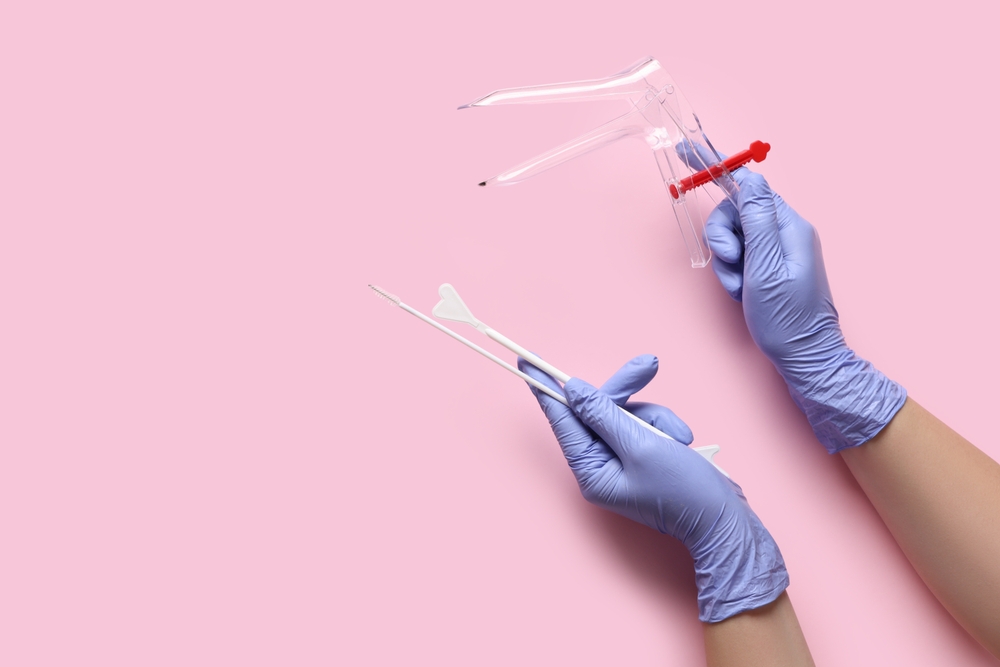
Gebärmutterhalsuntersuchung (going for regular cervical smears) is enormously important to reduce your risk of getting cancer of the cervix (the neck of the womb). The UK is a world leader in cervical screening, and it shows. To put it into perspective: in the first ten years after the national programme for cervical screening was introduced in the UK in 1988, the number of women who developed cervical cancer fell by a spectacular 42%. And since the early 1990s, the incidence has fallen by a further 24%.
Without screening, cervical cancer is a killer. But as you get older, your chances drop, and by the age of 65, you won't need smear tests anymore. Who said getting older was all bad news?
What causes cervical cancer?
Virtually all cervical cancers are caused by infection with a virus called HPV. There are several different kinds, but only a few are linked to cancer. HPV is so common that getting infected is more a rite of passage than a sign you've been promiscuous. Key times to be exposed are in your late teens or early 20s.
Most women's immune systems fight off the infection within months. But in some, it stays in the body, and can lead to cancer many years later. Peak incidence for diagnosis is in the 25- to 29-year age group. But some women find love second time around after decades of monogamy, and the time it takes for HPV to lead to cancerous changes varies widely. So it's still important to continue to attend for your cervical smear when invited, even if you've had the same partner for years.
Der HPV-Impfstoff
The well-proven link between HPV and cervical cancer is why since 2008, all 12-year-old girls in the UK have been offered immunisation against several high-risk strains of HPV. The evidence is that it's most effective if it's given at this age, before you're sexually active. It's not 100% effective, and it's going to take a few more years before the full benefits are seen. Most women are diagnosed in their 30s or early 40s, and it's rare under 25. We will still need a cervical smear programme - but hopefully the number of women with an abnormal smear (currently about 1 in 20) will start dropping dramatically.
A special screening case
Most health screening - for Bluthochdruck, Brustkrebs, erhöhter Cholesterinspiegel, etc - aims to pick up a problem before it causes complications. The national breast cancer mammography und FOB testing for bowel cancer are both designed to pick up early-stage cancers which have a better chance of being successfully treated.
But cervical screening goes one better. The cells on the surface of the cervix - some of which are removed and examined during a cervical smear - go through several early changes before they become cancerous. These pre-cancerous changes can be picked up with a cervical smear and treated to ensure they never cause cancer. Even better, all cervical smear samples in the UK are now pre-screened for evidence of high-risk HPV. This means that women with no evidence of high-risk HPV can be reassured, even if their smear test shows mild inflammation. And women with high-risk HPV infection can be targeted for closer surveillance, even if the cells from their smear test are normal.
Every woman in the UK is invited for a routine cervical smear every three years from the age of 25-49, and every five years from 50-64. Over-65s don't need testing unless they haven't been screened since they turned 50, or have recently had an abnormal result. The reason for less frequent screening after 50 is that unlike most health conditions, which have a horrible habit of getting more common with age, your risk of cervical cancer drops with age.
Cervical screening has been a huge success story in the UK. Sadly, however, there's no room for complacency. It's probably no coincidence that the proportion of younger (under 50) women taking up their screening invitation started rising just after Jade Goody's diagnosis in 2008, and stayed at about 74% until about 2012. Levels have been dropping since then, and in 2016 only 71.3% of women were screened. Over-50s have always been better about attending for screening, but rates have been dropping for a decade. Today 1 in 4 women over 50 doesn't take up her invitation.
Yet cervical screening can prevent many cases of cervical cancer, and predict many more so evasive action can be taken. They're free, and the only cost to you is 10 minutes of your time.
Know the warning signs
Cervical screening isn't the whole answer. Most cervical cancers start fairly slowly and can be picked up at screening. But some are very aggressive and can develop between smears. Cervical smears also aren't 100% accurate, although recent changes to include high-risk HPV screening have helped. So if you get bleeding between periods, after you make love or after the menopause, pain when you make love or an unpleasant smelling discharge, you should always get it checked out.
If you are diagnosed with cervical cancer, treatment depends on how far advanced it is. 8-9 out of 10 women can be cured if the cancer is picked up before it has spread. There is, however, new hope even in advanced cancer. A new study with a medication called nivolumab, which targets the immune system, showed that 1 in 4 women with advanced cancer responded to treatment. Early days, but exciting news.
Thanks to My Weekly where this piece was originally published
Patientenauswahl für Gynäkologische Krebserkrankungen
Krebs
Kann man zu alt für einen Abstrichtest sein?
In Großbritannien enden die routinemäßigen Einladungen zur Gebärmutterhalskrebsvorsorge normalerweise nach dem Alter von 64 Jahren, wenn Sie regelmäßige Tests mit normalen Ergebnissen hatten. Aber was ist, wenn Sie noch nie einen Abstrich gemacht haben? Können Sie trotzdem einen machen lassen? Und bedeutet die Menopause, dass Sie nicht mehr gefährdet sind? Hier ist, was Sie über die Altersgrenzen für Abstrichtests wissen müssen, wann die Gebärmutterhalskrebsvorsorge beginnt und endet und ob es jemals zu spät ist, Ihren ersten Test zu machen.
von Heather Ainsworth

Krebs
Mythen über den Abstrichtest, die Sie nicht mehr glauben sollten
Zum ersten Mal hat Public Health England eine landesweite Kampagne gestartet, um Frauen dazu zu ermutigen, ihre Vorsorgeuntersuchung wahrzunehmen, wenn sie dazu eingeladen werden, oder einen Termin zu vereinbaren, wenn sie in der Vergangenheit eingeladen wurden und noch nicht gegangen sind.
von Dr. Sarah Jarvis
Über den AutorVollständige Biografie anzeigen

Dr. Sarah Jarvis
Klinische Beraterin
MA (Cantab), BM, BCh (Oxon), DRCOG, FRCGP, MBE
Nach ihrer medizinischen Ausbildung in Cambridge und Oxford wurde Dr. Sarah Jarvis MBE Hausärztin.
Über den RezensentenVollständige Biografie anzeigen

Dr Hayley Willacy, FRCGP
Allgemeinmediziner, Medizinischer Autor
MBChB (1992), DRCOG, DFFP, MRCOG (Part 1) MRCGP (2007), DFSRH (2013), MSc - medical education (2020)
Dr. Hayley Willacy war eine NHS-Hausärztin, die in Nordwestengland arbeitete und 2022 nach 30 Jahren aus der klinischen Praxis ausschied.
Artikelverlauf
Die Informationen auf dieser Seite werden von qualifizierten Klinikern begutachtet.
Artikel auch verfügbar in Englisch, Deutsch, Spanisch, Französisch, Italienisch, Portugiesisch, Hindi, Hebräisch, Arabisch, und Schwedisch.
14. Jun 2018 | Neueste Version

Fragen, teilen, verbinden.
Durchsuchen Sie Diskussionen, stellen Sie Fragen und teilen Sie Erfahrungen zu Hunderten von Gesundheitsthemen.

Fühlen Sie sich unwohl?
Bewerten Sie Ihre Symptome online kostenlos
Abonnieren Sie den Patienten-Newsletter
Ihre wöchentliche Dosis klarer, vertrauenswürdiger Gesundheitsberatung - geschrieben, um Ihnen zu helfen, sich informiert, selbstbewusst und in Kontrolle zu fühlen.
Durch das Abonnieren akzeptieren Sie unsere Datenschutzrichtlinie. Sie können sich jederzeit abmelden. Wir verkaufen Ihre Daten niemals.
Mehr über Krebs
- Kann verbrannter Toast wirklich Krebs verursachen?
- AktualisiertKann man zu alt für einen Abstrichtest sein?
- Bewältigungsstrategien für das Leben nach der Krebsbehandlung
- Frühe Brustkrebsversorgung
- Alles, was Sie über Krebsvorsorgeuntersuchungen wissen müssen
- Wie man mit einer unheilbaren Krankheit an Weihnachten umgeht
- Wie Sie Ihre Haut während der Chemotherapie pflegen
- Wie man während der Krebsbehandlung und Chemotherapie auf sich selbst achtet
- Wie man über seine Wünsche zur Versorgung am Lebensende spricht
- HPV-Impfstoff könnte eines Tages Gebärmutterhalskrebs eliminieren
- NHS führt weltweit ersten Bluttest für Krebs ein
- Mythen über den Abstrichtest, die Sie nicht mehr glauben sollten
- Studie schlägt vor, Rindfleisch durch Huhn zu ersetzen, um das Brustkrebsrisiko zu senken
- Urin-Test für Prostatakrebs könnte zeigen, wer dringend behandelt werden muss
- Was beeinflusst Ihre Überlebenschancen bei Gebärmutterhalskrebs?
- Was sind die frühen Warnzeichen von Blutkrebs?
- Was passiert, wenn Sie erfahren, dass Sie BRCA-positiv sind?
- Wie es ist, mit Krebserschöpfung zu leben
- Warum sterben schwarze Männer häufiger an Prostatakrebs?
- Warum haben junge LGBTQ+-Personen eine schlechtere Erfahrung in der Krebsversorgung?