Back to school: how to check your child for head lice and nits
Peer reviewed by Dr Krishna Vakharia, MRCGPLast updated by Lydia SmithLast updated 30 Aug 2023
Meets Patient’s editorial guidelines
- DownloadDownload
- Share
- Language
- Discussion
- Audio Version
- Add to preferred sources on Google
Head lice and nits are very common in young children. According to the British Association of Dermatologists, the beginning of the autumn school term is when they are most likely to start. So if your child comes home from school with an itchy head, how can you check that these bugs are the cause?
What is the difference between head lice and nits?
Head lice are tiny insects that feed on blood from the human scalp and can attach to the hair. Nits are the small brown or white eggs left in the hair by lice.
Head lice are spread by head-to-head contact, but aren’t a sign of poor hygiene or an unclean home. Lice don't carry viruses or bacterial diseases.
Although you can't prevent head lice, you can stop them from spreading by getting rid of them quickly.
What are the signs your child has head lice?
Head lice can make the head feel itchy or as if something is moving in the hair. However, the only way to be sure your child has lice is to comb through the hair to find the insects or their eggs.
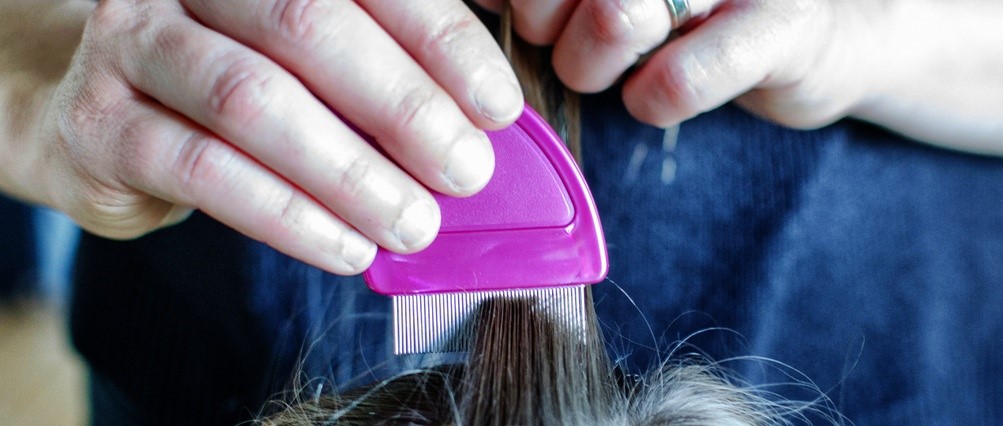
You can do this using a special, fine-toothed comb - available online or in pharmacies or supermarkets - which will pick up the lice if they are there.
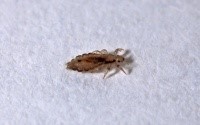
Head louse
How to check your child for head lice and nits
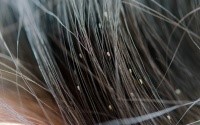
Head lice are small insects that are up to 3 mm long. Nits - lice eggs - look like small yellow or brown dots. They’re often found on the hair close to the scalp, where the temperature is higher and keeps them warm before they hatch.
Using a head lice-detection comb, part the hair and check for eggs or lice. This can be easier to do if the hair is wet.
Lice eggs hatch up to two weeks after they are laid. After hatching, the remaining egg shell looks white or clear and stays attached to the hair.
Nits
How to get rid of head lice
If you find lice or nits, you should treat them quickly.
Try wet combing the hair
Wash the hair with normal shampoo, rinse and apply lots of conditioner. Then, thoroughly comb the hair from the roots to the ends using the fine-toothed comb. You can buy combs especially for this purpose - such as the Nitty Gritty.
When wet combing, check the comb for lice or eggs after every stroke and remove them by rinsing or wiping the comb.
If you are combing dry hair, you’ll need to look for live lice as you comb, and trap any using your thumb as you pull the comb out.
You should check all members of your household for head lice with this combing method.
Use medicated shampoos
You can buy medicated shampoos - such as Hedrin and sprays - such as Full Marks from pharmacies and supermarkets to kill head lice. Some products come with a comb to remove dead lice and eggs once you’ve used the shampoo or lotion.
It’s important to read the instructions as some medicated treatments may need to be repeated to ensure all the lice are eliminated.
You may want to avoid these products if your child has sensitive skin or allergies to certain chemicals or ingredients.
Always read the packaging as some insecticides aren't recommended for children under two years old, pregnant or breastfeeding women or people with eczema or asthma.
Remember the whole family will need to be treated to make sure everyone is free of nits and lice.
Patient picks for Childhood infections
Children's health
What childhood illnesses can adults get?
Many illnesses are commonly associated with children, but adults can catch them too. In some cases, adults may experience more severe symptoms or have a higher risk of complications than children.
by Josh Alderman

Children's health
Video: How do head lice spread?
They're tiny, but ever so troublesome. Head lice are one of the unavoidable consequences of school, regardless of how clean you keep your child's hair. Even if you can't avoid them, we've put together some expert advice on how to treat them and try to stop the spread.
by Dr Sarah Jarvis
About the authorView full bio

Lydia Smith
Feature writer
BA, MA, MSc
Lydia Smith is an award-winning journalist and feature writer who has written extensively on women's health and mental health. She is currently studying for an MSc in psychology.
About the reviewerView full bio

Dr Krishna Vakharia, MRCGP
Chief Medical Officer for Health, Optum UK
MBChB, MRCGP(2013), BMedSci (hons), DFSRH, DRCOG, PGDipDerm (Distn)
Dr Krishna Vakharia is an NHS GP. She is also a regular examiner for the postgraduate Diploma in Practical Dermatology at Cardiff University as well as being the Chief Medical Officer for health at Optum UK.
Article history
Article also available in English, German, Spanish, French, Italian, Portuguese, Hindi, Hebrew, Arabic, and Swedish.
Next review due: 30 Aug 2027
30 Aug 2023 | Latest version
1 Feb 2023 | Originally published
Authored by:
Lydia Smith
Join the conversation
Share your thoughts or experiences with others in our patient communities.

Ask, share, connect.
Browse discussions, ask questions, and share experiences across hundreds of health topics.

Feeling unwell?
Assess your symptoms online for free
Sign up to the Patient newsletter
Your weekly dose of clear, trustworthy health advice - written to help you feel informed, confident and in control.
By subscribing you accept our Privacy Policy. You can unsubscribe at any time. We never sell your data.
More in children's health
- Can babies get hay fever?
- Can we trust BMI charts for kids?
- Crohn's disease in children: How to support your child
- Does taking paracetamol in pregnancy lead to behavioural problems in kids?
- How can dogs help support families with autistic children?
- How should we support children with autism?
- How to choose healthy snacks for you and your kids
- How to help your autistic child cope with Bonfire Night
- How to protect your child's teeth
- How to stop your child catching a verruca
- How to talk to your child about their weight
- Is breastfeeding for me? The pros and cons of breastmilk and formula
- Is your child eating too much sugar?
- More evidence that social media is associated with teenage depression
- Parents urged to vaccinate children as UK loses measles-free status
- Putting together a budget for your baby
- Should all children have the flu vaccine?
- Signs your child is struggling with their mental health
- What to do when your child can't sleep
- What you need to know about parenting with a mental health issue