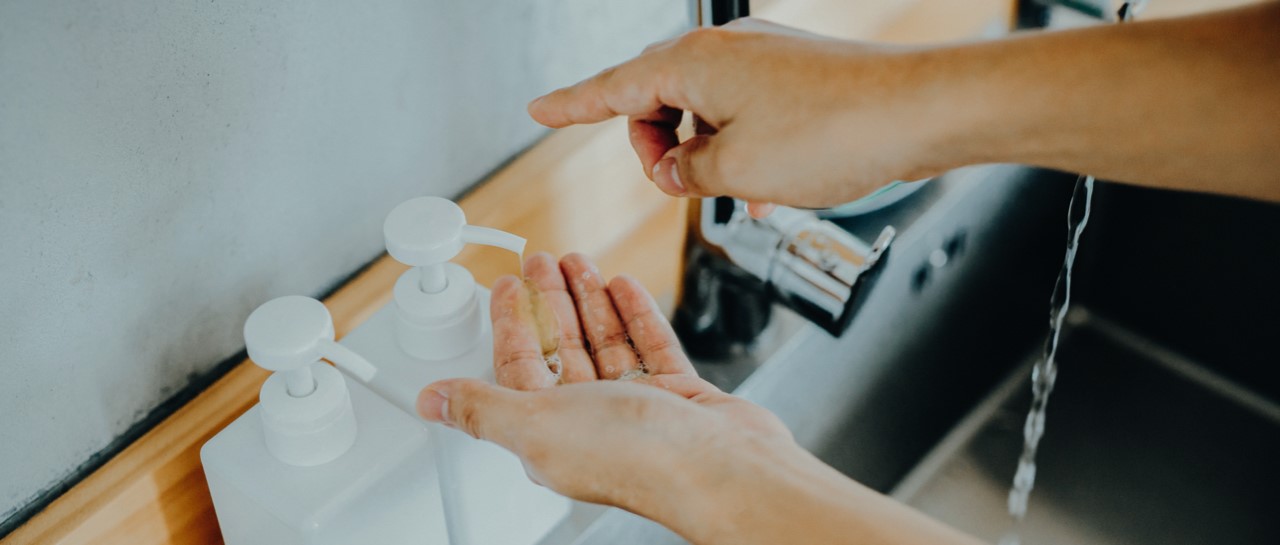
COVID-19: is handwashing still important when you're self-isolating?
Peer reviewed by Dr Sarah JarvisAuthored by Natalie HealeyOriginally published 20 Apr 2020
Meets Patient’s editorial guidelines
- DownloadDownload
- Share
- Language
- Discussion
- Audio Version
- Add to preferred sources on Google
We've been told to stay at home but that doesn't mean we can skimp on handwashing. It's still as crucial as it ever was to stop the spread of COVID-19 and coronavirus.
You can find our latest features and advice on coronavirus and COVID-19 in our coronavirus hub.
Use Patient's coronavirus checker tool if you have any symptoms of fever or a new cough. Until you have used the tool and been advised what action to take, please stay at home and avoid contact with other people.
Even before strict measures were announced in the UK to reduce the spread of coronavirus, the NHS's message about handwashing was clear. It stressed that regularly washing hands with soap and water for 20 seconds was central to preventing COVID-19 transmission. The British public rushed to supermarkets and pharmacies to stock up on hand sanitiser and soap, quickly leading to a national shortage of both.
The NHS campaign focused on washing your hands more often, but especially when leaving the house or arriving home; after blowing your nose, coughing or sneezing; and before eating or handling food. But in mid-March, social distancing measures were announced, followed by a nationwide lockdown a week later instructing the public to stay at home.
As long as you're following the rules, you're likely barely leaving your house at all. And if you're self-isolating because you or a member of your household has symptoms, you must stay at home entirely for 14 days. So is handwashing still as important if you're no longer coming into contact with people outside the household? The answer is a resounding yes.
"Certainly!" says GP Dr Adwoa Danso. "You must continue to wash your hands regularly particularly after touching surfaces, such as doorknobs, drawer handles and phones. We know that germs can linger on these surfaces for long periods of time, so regular handwashing is still necessary."
Protect your family
The UK is currently on lockdown because many of us will have been exposed to COVID-19. Some of us will be infectious and could pass it on to others. If someone in your household has the virus, shared areas such as the bathroom and kitchen could become breeding grounds for illness. It's important to clean and wipe down these shared areas as much as possible, but handwashing is still a crucial defence
"We're all trying our best to clean but it's an impossible task when there are so many people who are unwell. It's just as important to carry on washing your hands in isolation," says GP Dr Gero Baiarda from GPDQ.
If someone in the house is infectious, the virus could spread by somebody else touching the same surface. Regular handwashing reduces the risk of contracting the illness when you touch your nose, eyes or mouth. Though you should also try to avoid touching your face as much as possible.
And if you're using towels to dry your hands after you've washed them, dedicate one to each person in the house, keep them separate, and wash them daily, Baiarda suggests.
Wash after delivery
If you're self-isolating, you're likely reliant on food deliveries - whether that's from a supermarket or a friendly neighbour. Although delivery drivers will try to minimise contact and usually leave the food parcel on your doorstep, there's still a risk of infection. If there are any external items (such as shopping, deliveries and post) entering your home, handwashing remains important.
"Even if someone's wearing gloves, they may not be changed between deliveries," says Baiarda. "So you could have the best lockdown and best isolation possible, and there's still an entry point for the virus to the house."
According to a recent study, the virus can live up to 24 hours on cardboard, as well as three days on hard surfaces such as metal or hard plastic. So you should handle the boxes appropriately, removing the outer packaging that may have come into contact with another person. If the package includes metal tins, you should wipe them down with detergent (washing up liquid in water works well). Then wash your hands as soon as you've put away the food brought to you from outside.
Be similarly vigilant after receiving post through the letterbox, says Baiarda. Wash your hands after handling the mail.
"It's a very small chance but that's a fairly innocent way that somebody might not even consider picking up the virus and passing it to themselves."
Keep going
Proper handwashing is still vital in the fight against coronavirus. And it has likely become a habit by now anyway. So don't give up the good work. Keep rinsing regularly. And make sure you take special care to give your hands a clean before you're going to cook or eat, after you use the bathroom and if you touch anything that's been delivered or posted through your door.
"Every time you wash your hands you will break the chain of infection. If in doubt, give them a wash! Do this for at least 20 seconds with warm, soapy water," says Baiarda
Patient picks for Pandemic articles
COVID-19
COVID-19: is it safe to send your kids back to school?
The UK Government has scrapped its plan to get all children back to primary schools in England before the summer holidays. But as more parents return to work over the coming weeks as some shops and businesses open up, they are left with a difficult decision - is it safe for children to go back to school? We look at the science behind the headlines.
by Gillian Harvey
COVID-19
How to meet friends and family safely outdoors
Across the UK, lockdowns are easing and we're allowed to see friends and family outside (and indoors too if you live in England or Scotland). But that doesn't mean the risk of spreading COVID-19 has vanished; you still need to take precautions to keep yourself and your loved ones safe.
by Andrea Downey
About the authorView full bio

Natalie Healey
Freelance journalist
BSc (Hons) Biomedical Science
She is a London-based health journalist who has been writing about science and medicine for several years. She is the former head of editorial at Patient.
About the reviewerView full bio

Dr Sarah Jarvis
Clinical Consultant
MA (Cantab), BM, BCh (Oxon), DRCOG, FRCGP, MBE
After training in medicine at Cambridge and Oxford, Dr Sarah Jarvis MBE became a GP.
Article history
Article also available in English, German, Spanish, French, Italian, Portuguese, Hindi, Hebrew, Arabic, and Swedish.
20 Apr 2020 | Originally published
Authored by:
Natalie HealeyPeer reviewed by
Dr Sarah Jarvis
Join the conversation
Share your thoughts or experiences with others in our patient communities.

Ask, share, connect.
Browse discussions, ask questions, and share experiences across hundreds of health topics.

Feeling unwell?
Assess your symptoms online for free
Sign up to the Patient newsletter
Your weekly dose of clear, trustworthy health advice - written to help you feel informed, confident and in control.
By subscribing you accept our Privacy Policy. You can unsubscribe at any time. We never sell your data.
More in cOVID-19
- 19th July: staying safe as COVID-19 restrictions ease
- Coping with anxiety around COVID-19 uncertainty
- COVID-19: Can lockdowns change our personalities?
- COVID-19: Should vulnerable people shield because of Omicron?
- COVID-19: Should you cancel your Christmas plans because of Omicron?
- How to protect yourself from COVID-19 and flu in pregnancy
- Lockdown easing: what is the plan and is it realistic?
- Should we wear face masks after the pandemic?
- What are the symptoms of the COVID-19 variant Pirola?
- What happens if you catch flu and COVID-19 at the same time?
- What to do if you have problems with your eyes during lockdown
- When will I get my COVID-19 vaccine?