
Haben Omega-3-Fischölpräparate einen nachgewiesenen gesundheitlichen Nutzen?
Begutachtet von Dr Sarah JarvisZuletzt aktualisiert von Dr. Carrie Ruxton, PhD, KinderernährungZuletzt aktualisiert 16 Nov 2017
Erfüllt die Anforderungen des Patienten Richtlinien des Patienten
- HerunterladenHerunterladen
- Teilen
- Language
- Diskussion
- Audio-Version
- Zu bevorzugten Quellen bei Google hinzufügen
If your granny insisted on fish on Fridays, she was on to something. Studies over the years have confirmed a host of health benefits linked to eating fish, particularly so-called 'oily' fish such as salmon, mackerel and sardines. These foods are rich in special types of fat called omega-3s which are important for your heart and brain. But how do you know if you're getting enough? And is it better to take a supplement?
How much fish should we be eating?
While the government has advised us all to eat two portions of fish a week, including one of oily fish, the fact is most of us just don't get enough. Nutrition surveys show that two thirds of us rarely have oily fish and average intakes are half the recommended portion of 140 g. Teenagers do even worse with fewer than one in ten eating oily fish regularly. So, what can we do to get more omega-3s into our diets and how can these fats support our well-being?
Omega-3s unwrapped
The omega-3s are unsaturated fats which are found in olive oils, nuts, seeds, oily fish and related food supplements such as cod liver or algae oils. The omega-3s which have been specifically linked with health benefits are docosahexaenoic acid (DHA) and eicosapentaenoic acid (EPA).
According to Philip Calder, professor of nutritional immunology, at the University of Southampton: "Omega-3 fats work across the body influencing metabolism, blood clotting, immune function, inflammation, organ function, blood vessel performance and cell protection from stress. This means that they have a vital role in most areas of health."
Herzgesundheit
Studies show that people who eat oily fish or take fish oil supplements have a lower chance of developing heart conditions, such as atherosclerosis. Verwirrung one review of 14 studies, people were 25% less likely to have Herzerkrankungen when their diets were rich in DHA and EPA. Omega-3s appear to offer benefits for heart disease prevention as well as protection for those with existing heart conditions, such as stroke or myocardial infarction.
Der British Heart Foundation encourages the general public to up its fish consumption. Their senior dietician, Tracy Parker, says: "The benefits of omega-3s seem to come from eating fish rather than taking supplements. Non-fish options do contain some omega-3s, such as flaxseed, flaxseed oil, walnuts, canola oil, soybeans and soybean oil. However, similar to supplements, the evidence of heart-health benefits from eating these foods isn't as strong as it is from eating fish."
The UK doesn't yet have specific advice for patients - just that we should all eat fish twice a week. However, the American Heart Association published neuen Richtlinien in 2017 for different groups of people.
Brain function
Omega-3s play several roles in the brain such as being part of the protective covering of nerve cells, helping electrical messages to pass freely across the nervous system and keeping blood vessels healthy so that nutrients and oxygen can get to all parts of the brain. There's even some Beweise that regular fish eaters have a lower risk of Depressionen, dementia and Alzheimer's disease.
Omega-3s in pregnancy
Omega-3s also support normal development in early life. As Calder comments: "A supply of omega-3 fats, especially DHA, is vital for eye function and brain development in the growing fetus as well as in newborns."
In the UK, there are no specific recommendations for pregnancy. However, dietician Dr Frankie Phillips notes: "Pregnant women should aim to eat one portion of oily fish a week. If this isn't possible, a daily fish oil supplement specifically formulated for pregnancy can be used. Regular fish oil supplements are not recommended for pregnant women as they are too high in vitamin A, which may harm the unborn child. When complementary foods are introduced after six months, babies can be offered boneless fish, or given a daily liquid fish oil supplement."
Entzündliche Erkrankungen
Omega-3s are anti-inflammatory which means that they have a calming effect on immune function. Omega-3 supplements have been shown to manage symptoms in inflammatory conditions such as rheumatoide Arthritis, Asthma und Psoriasis. There are no official recommendations to boost omega-3s to combat inflammation. However, a SIGN guideline notes that clinical trials in rheumatoid arthritis show that fish oils can help reduce tender joints and morning stiffness after three months.
"Evidence suggests that fish body oil can improve the symptoms of rheumatoid arthritis," says the charity, Arthritis Research UK. "Unconfirmed evidence also suggests a combination of fish body and liver oils might also be useful in the long term, particularly in reducing the use of non-steroidal anti-inflammatory drugs."
George Black, 79, who lives in a rural area of Fife, takes a fish oil supplement every day to keep joint pain at bay. "My joints started getting stiff and painful in the mornings when I hit my sixties. I like to run and cycle so I've found that a daily spoon of cod liver oil helps with the discomfort and keeps me active. I still eat fish but I feel at my age that I need the extra omega-3 oils that I get in a supplement."
Fish or supplements?
The best option to ensure you're getting enough omega-3s is to eat fish twice a week, including one 140 g portion of oily fish (just less than the size of two packs of cards). Children can be offered small portions of oily fish from 6 months when weaning is established. Try mashing salmon with potato and carrots, and check for bones.
If you prefer to take a supplement (for example, if you don't like fish), check the label for the amount of DHA and EPA. This should be at least 200 mg so that it makes a decent contribution to the recommended 450 mg per day. People trying to reduce blood fats (lipids) or who have pre-existing heart disease should aim for 1000 mg per day. Vegan and vegetarian options are available which are made from algae rather than fish. These also contain DHA and EPA.
If you intend on taking a supplement because you have been diagnosed with a heart condition, always consult your doctor first, especially if you're taking prescription medicines for clotting.
Patientenauswahl für Vitamine und Nahrungsergänzungsmittel
Ernährung und Diät
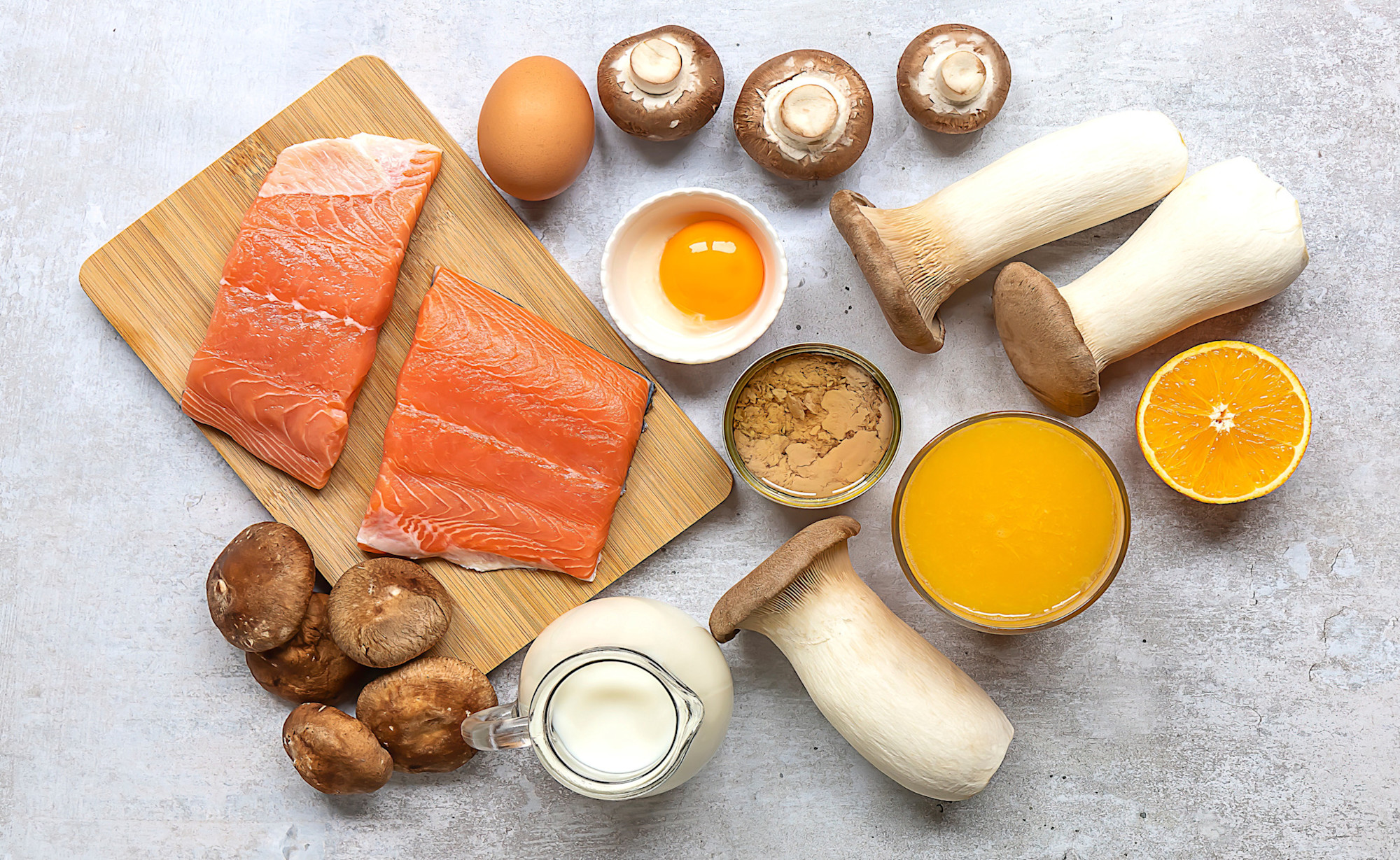
10 alltägliche Lebensmittel mit hohem Vitamin-D-Gehalt
Vitamin D spielt eine entscheidende Rolle für die Knochengesundheit, das Immunsystem und die Stimmung, doch viele Menschen im Vereinigten Königreich nehmen nicht genug davon auf, besonders in den dunkleren Monaten. Während Sonnenlicht die Hauptquelle ist, können bestimmte Lebensmittel auch helfen, Ihre Werte auf natürliche Weise zu steigern. In diesem Artikel erkunden wir Vitamin-D-Lebensmittel, die Sie vielleicht nicht erwarten, und wie Sie sie in Ihre Ernährung integrieren können.
von Josh Alderman

Ernährung und Diät
Funktionieren Gummibärchen-Vitamine?
Gummy, chewable multivitamins are popular around the world among people who want to improve their diets. Although they taste like sweets, many promise to boost our health quickly with minimal effort. But are multivitamin gummies really that effective - and do we really need them?
von Lydia Smith
Über den AutorVollständige Biografie anzeigen

Dr. Carrie Ruxton, PhD, Kinderernährung
Ernährungsberater und Gesundheitsautor
PhD, Kinderernährung
Dr. Carrie Ruxton qualifizierte sich als Diätassistentin an der Queen Margaret University in Edinburgh, bevor sie einen Doktortitel in Kinderernährung erwarb.
Über den RezensentenVollständige Biografie anzeigen

Dr. Sarah Jarvis
Klinische Beraterin
MA (Cantab), BM, BCh (Oxon), DRCOG, FRCGP, MBE
Nach ihrer medizinischen Ausbildung in Cambridge und Oxford wurde Dr. Sarah Jarvis MBE Hausärztin.
Artikelverlauf
Die Informationen auf dieser Seite werden von qualifizierten Klinikern begutachtet.
Artikel auch verfügbar in Englisch, Deutsch, Spanisch, Französisch, Italienisch, Portugiesisch, Hindi, Hebräisch, Arabisch, und Schwedisch.
16 Nov 2017 | Neueste Version

Fragen, teilen, verbinden.
Durchsuchen Sie Diskussionen, stellen Sie Fragen und teilen Sie Erfahrungen zu Hunderten von Gesundheitsthemen.

Fühlen Sie sich unwohl?
Bewerten Sie Ihre Symptome online kostenlos
Abonnieren Sie den Patienten-Newsletter
Ihre wöchentliche Dosis klarer, vertrauenswürdiger Gesundheitsberatung - geschrieben, um Ihnen zu helfen, sich informiert, selbstbewusst und in Kontrolle zu fühlen.
Durch das Abonnieren akzeptieren Sie unsere Datenschutzrichtlinie. Sie können sich jederzeit abmelden. Wir verkaufen Ihre Daten niemals.
Mehr zu Ernährung und Diät
- 7 einfache und köstliche Nudelrezepte für Studenten
- Biotin: Funktionieren Vitamine für das Haarwachstum wirklich?
- Können Diätgetränke Typ-2-Diabetes verursachen?
- Gibt es 'Superfoods' wirklich?
- Hilft Aloe-Vera-Saft wirklich der Darmgesundheit?
- Fruchtbarkeitsdiät: Was Sie essen sollten, wenn Sie schwanger werden möchten
- Wie KI Ihnen Ideen für gesunde Mahlzeiten geben kann
- So wählen Sie gesunde Snacks für Sie und Ihre Kinder aus
- Wie man eine gesunde Weihnachtsfeier veranstaltet
- Wie Sie Ihren Kindern helfen, über Weihnachten gesund zu essen
- Wie Ihr Darm Ihre Gesundheit insgesamt beeinflusst
- Ist intermittierendes Fasten gesund?
- Ist Salz gut oder schlecht für Sie?
- Probiotika bei Reizdarmsyndrom: Funktionieren sie?
- Sollten Sie während der Schwangerschaft Probiotika einnehmen?
- Die 5 besten probiotischen Lebensmittel für einen gesunden Darm
- Wege, um Ihre Beziehung zu Lebensmitteln zu verbessern
- Was sind die Vorteile einer pflanzenbasierten Ernährung?
- Welche Vitamine brauche ich?
- Welche Schwangerschaftsvitamine brauche ich wirklich?