What happens to your body when you go vegan?
Peer reviewed by Dr Sarah JarvisAuthored by Abi MillarOriginally published 20 Aug 2019
Meets Patient’s editorial guidelines
- DownloadDownload
- Share
- Language
- Discussion
- Audio Version
- Add to preferred sources on Google
More of us than ever are going vegan. But how does a plant-based diet actually affect the body and what are the pitfalls to look out for?
There's never been a better time to go vegan. With a host of new products on the shelves (ranging from the much lauded Impossible Burger to the Gregg's vegan sausage roll), 2019 might go down as the year that plant-based diets went mainstream. A record 250,000 people signed up to 2019's Veganuary, more than in the previous four years combined.
But while plant-based diets are undoubtedly good for the environment - not to mention assuaging concerns about animal welfare - it would be fair to ask whether they're any good for your health. Can vegans actually get a balanced diet? Or does the old stereotype hold - vegans are undernourished and not eating in the way our bodies are 'designed' to eat?
What to expect when you go vegan
According to the British Dietetic Association, the stereotype is just that, a stereotype. The organisation maintains that a well-planned vegan diet can "support healthy living in people of all ages", including children and pregnant women. It works with the Vegan Society to promote evidence-based advice in this area.
Of course, the key word here is 'well-planned'. You probably won't feel great, for example, if you cut out animal products and replace them all with chips.
To speak from personal experience here, I was one of the thousands of Brits who went vegan at the start of 2019. There was definitely an awkward 'breaking in' period as I wrestled with cravings and worked out how to make the diet work for me. And while the psychological side of the equation was perhaps more difficult, the physical side involved some trial and error too.
As Heather Russell, dietician at the Vegan Society, explains, experiences like mine aren’t uncommon. She suggests that, rather than transitioning abruptly, new vegans should allow time to research the nutrition side of things and plan how they're going to reach their goal at a pace that suits them.
"Increasing your intake of plant-based foods step by step gives you time to get used to the practicalities of a vegan lifestyle, and it also allows your gut to adjust to the likely increase in beneficial fibre - drinking plenty of fluid will help," she says. "You could try eating vegan breakfasts for a week, then add vegan lunches in the second week, and so on."
What supplements do you need?
One of the things you need to plan for here is ensuring an adequate intake of micronutrients. Unfortunately, there are a few vitamins and minerals you can't easily get from a plant-based diet, the most notorious of these being vitamin B12. Found almost exclusively in meat, eggs, fish and dairy, it is essential for maintaining a healthy nervous system and blood, and can cause some pretty nasty symptoms if you reach the point of clinical deficiency.
If you are deficient in B12, you may experience tiredness, headaches, heart palpitations, numbness and persistently low mood. Further down the line, you might experience anaemia and nervous system damage - as well as an increased risk of heart disease and pregnancy complications. These symptoms tend to develop gradually, and can be confused with other conditions, so it's important to get a diagnosis if you suspect a problem.
The good news is that many plant milks and breakfast cereals are fortified with B12, along with - love it or hate it - Marmite. (A single serving of the controversial spread contains 40% of your recommended daily intake.)
Other micronutrients to watch out for are vitamin D, iodine and selenium, all of which are difficult for vegans to obtain. Vitamin D is required to keep our bones healthy, whereas iodine is used to make thyroid hormones and selenium plays a role in many important processes in the body.
"Arguably, supplementation is the best way of ensuring a reliable intake of iodine," says Russell. "Selenium supplementation should also be considered, unless you're eating a few Brazil nuts daily. It's recommended that everyone in the UK supplement vitamin D during autumn and winter as a minimum; D3 from lichen and D2 are animal-free varieties. One option is to take a vitamin and mineral supplement designed for vegans."
Finding the balance
As well as making used of fortified foods and supplementation, you need to make sure you balance out the main food groups. Of course, this is important for everyone - not just vegans - but if you were previously eating a lot of animal products it may take a while to find the right substitutes.
"Good sources of plant protein include beans, lentils, peas, soya products, peanut butter, cashew nuts, ground linseed and pumpkin seeds," says Russell. "Dairy products can be replaced by foods that are really rich sources of calcium, such as fortified alternatives to milk and yoghurt and calcium-set tofu."
She adds that vegans can obtain omega-3 fat from walnuts or ground linseed, while iron is found in protein-rich plant foods, kale, raisins and fortified breakfast cereal. It's also a good idea to include a source of vitamin C in every meal (think broccoli or bell peppers) in order to boost iron absorption. (Iron deficiency is particularly prevalent among pregnant or menstruating women.)
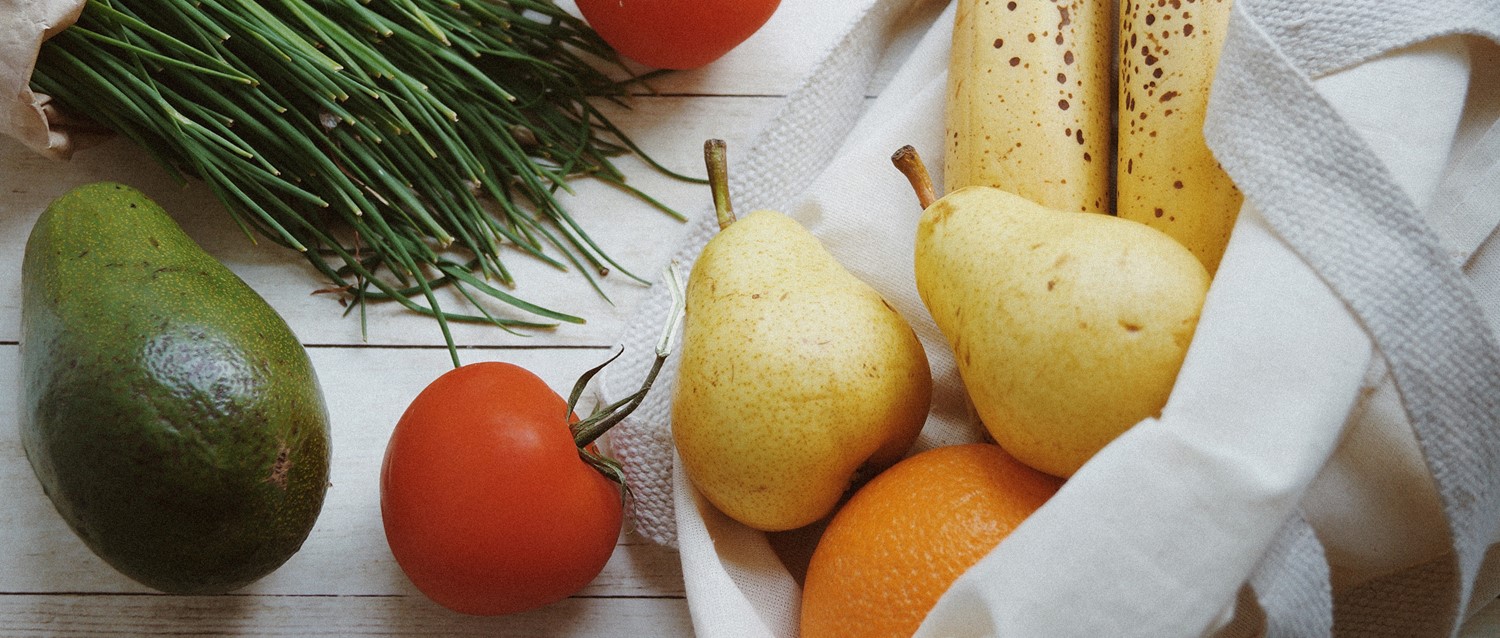
If you do find yourself experiencing fatigue and weakness, despite eating a balanced diet, there might be a simpler explanation - you're just not eating enough. Although some people do go vegan for weight loss, this isn't healthy or desirable for everyone, and it may be worthwhile packing in some healthy high-calorie foods such as avocado or peanut butter.
You may also find yourself contending with an increase in gut symptoms such as bloating, particularly if you're not drinking enough fluid. This is why it's advisable to replace animal products with vegan alternatives gradually over the course of a few weeks.
Your body will thank you
Ultimately, your body will thank you for the change (although the people you're stuck with in a poorly ventilated room might not). Since UK diets are typically low in fruit, vegetables, wholegrains and nuts, going vegan can often be an opportunity to improve dietary quality.
"Research has linked diets containing plenty of roughage with lower risks of heart and blood vessel disease, type 2 diabetes and bowel cancer," says Russell. "A fibre-rich diet is filling and it can help with digestion and preventing constipation."
On top of that, some types of fibre are classed as prebiotic, meaning they help fuel the 'friendly' bacteria living in our gut.
"Evidence is emerging that these bacteria influence multiple aspects of our health, so it's important to keep them happy," says Russell. "They seem to thrive when we eat certain plant-based foods. Leeks, asparagus, onions, wheat, oats, beans, peas and lentils provide prebiotic fibre."
There's also evidence that vegan diets can lower the risk of metabolic syndrome and even reduce the incidence of many types of cancer.
Seven months into going vegan myself, it's really become second nature to me. For sure, my diet requires a little more planning than it used to, and the choices when eating out are still quite limited. But the cravings completely vanished within a couple of months and health-wise it has not impeded me in any way. My athletic performance hasn't suffered either, which had been a concern before getting started.
All in all, it's important to remember why you're doing this and to take pride in your decision, taking any teething problems in your stride. Over the longer term, a vegan diet is very sustainable, and you can always do it in stages if you don't fancy a sudden moratorium on cheese toasties.
"Switching to a vegan diet is a compassionate choice that can lower your environmental footprint and help you to improve the quality of your diet," says Russell. "The Vegan Society provides a range of helpful resources, including the free VNutrition app."
Patient picks for Vegan and vegetarian
Diet and nutrition
What's the difference between vegan and vegetarian diets?
Each year in Britain, a growing number of us are choosing to cut out meat and follow a plant-based diet. What's the difference between vegan and vegetarian diets, and how can we make sure we're getting all the nutrients we need?
by Amberley Davis
Diet and nutrition
5 easy vegan swaps for Veganuary 2026
If you enjoy meat, the idea of an entirely plant-based diet can be very daunting. What if your cravings for bacon become too strong? And how many more recipes will you need to learn? Here we talk to Chef Isabella Flint about making Veganuary a little easier. She shares her five easy vegan swaps to help curb your meat cravings.
by Victoria Raw
About the authorView full bio
Authored by

Abi Millar
Freelance Journalist
BA (Hons), MA
Abi is a freelance journalist with a special interest in health and medicine writing.
About the reviewerView full bio

Dr Sarah Jarvis
Clinical Consultant
MA (Cantab), BM, BCh (Oxon), DRCOG, FRCGP, MBE
After training in medicine at Cambridge and Oxford, Dr Sarah Jarvis MBE became a GP.
Article history
Article also available in English, German, Spanish, French, Italian, Portuguese, Hindi, Hebrew, Arabic, and Swedish.
20 Aug 2019 | Originally published
Authored by:
Abi MillarPeer reviewed by
Dr Sarah Jarvis
Join the conversation
Share your thoughts or experiences with others in our patient communities.

Ask, share, connect.
Browse discussions, ask questions, and share experiences across hundreds of health topics.

Feeling unwell?
Assess your symptoms online for free
Sign up to the Patient newsletter
Your weekly dose of clear, trustworthy health advice - written to help you feel informed, confident and in control.
By subscribing you accept our Privacy Policy. You can unsubscribe at any time. We never sell your data.