Why is cottage cheese the new diet trend?
Peer reviewed by Dr Colin Tidy, MRCGPLast updated by Victoria RawLast updated 6 Jul 2025
Meets Patient’s editorial guidelines
- DownloadDownload
- Share
- Language
- Discussion
- Audio Version
- Add to preferred sources on Google
You can dip vegetables in it, top your granola with it, and use it as a pasta sauce base. In fact, there are many things you can do with cottage cheese - and you may just want to, when you learn how nutritious this versatile cheese really is.
What is cottage cheese?
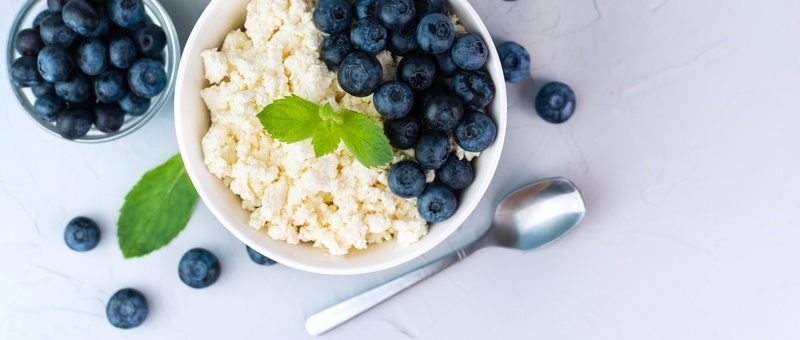
Cottage cheese is mild and creamy, almost resembling natural yoghurt in thickness, but lumpy and bumpy. It has just a hint of salt and can range from very creamy to slightly tart in taste. This depends on how much fat the cottage cheese contains - less fat means more tartness.
Like goat cheese, mozzarella, and ricotta, it's a fresh cheese. This means it isn't ripened or aged like cheddar and parmesan.
How is cottage cheese made?
Like all dairy foods, cottage cheese begins as milk, before it's fermented.
This fermentation process involves:
Adding enzymes or healthy bacteria called probiotics.
This turns the lactose in the milk into lactic acid.
This separates the milk solids, fats, and proteins (the curds) from the liquid (the whey).
The curds then become a solid block of cheese.
This is mixed with cream to make cottage cheese.
Is cottage cheese good for you?
Cottage cheese is fast becoming a favourite among people who want to lose excess weight, tone their bodies, and build muscle. Why? It is low in calories and high in protein.
According to Reema Pillai gut health specialist, Dietitian Fit, this isn't where the cottage cheese benefits end.
She says: "Cottage cheese provides a good source of nutrients - including calcium, selenium and vitamins A and B12."
Just how nutritious your cottage cheese is will vary slightly, depending on how much milk fat and salt is used.
Half a cup, or 113 grams, of 1% fat cottage cheese typically contains:
14 grams of protein - 30% of your daily allowance.
0.63 micrograms of Vitamin B12 - 29% of your daily allowance.
9 micrograms of selenium - 19% of your daily allowance.
134 milligrams of phosphorus - 13% of your daily allowance.
61 milligrams of calcium - 5% of your daily allowance.
11 micrograms of Vitamin A - 1.5% of your daily allowance.
1 gram of fat - 4% of your daily allowance.
406 milligrams of dietary salt - 20% of your daily allowance.
Cottage cheese benefits
There are a range of vitamins and micro nutrients in cottage cheese, and all serve your body in different ways. For example, by providing 29% of your daily vitamin B12 intake, cottage cheese is good for keeping your blood, brain, and nerves healthy. Vitamin A contributes to healthy skin, vision, and immunity from illness.
Here are some of the main ways cottage cheese can keep you healthy and well.
Builds muscle and strength
Containing 30% of your recommended daily protein intake, cottage cheese makes an excellent post-workout snack that will repair, maintain and build your muscles through muscle protein synthesis (MPS).
Supports your bones
Pillai explains that as a source of calcium, cottage cheese can help to support bone and tooth mass.
She says: "This can reduce your chance of developing osteoporosis, a condition where your bones become weak and more prone to fractures and breakage."
Aids healthy digestion
As cottage cheese is a fermented food, it can be a good source of probiotics - the healthy bacteria that helps look after your gut. As a result, it may ease a range of gut-related problems, such as digestive discomfort, bloating, constipation and diarrhoea.
Be sure to check the label, as not all cottage cheeses are made with probiotic cultures.
Helps protect against cancer
Pillai says: "The high selenium content of cottage cheese will contribute to the protection of your DNA and reduce cell damage."
Because of this, it's thought that selenium can help protect you against disease. Its effects on cancer have been observed, but more research is needed. Most of the studies had weaknesses and limitations and results were difficult to reproduce.
Some research shows that eating dairy products such as cottage cheese as part of a healthy diet may also help prevent some types of cancer. However, the research is ongoing and generally inconclusive.
Supports heart health
Dairy products may also protect against metabolic syndrome - a name for a group of conditions linked to your heart and blood vessels.
As it is low-calorie and low-fat, cottage cheese is a better dairy option for people looking after their hearts and waistlines than higher fat cheeses such as cheddar and cream cheese.
Cottage cheese also has a high selenium content. This mineral has been studied for possible protective effects against high cholesterol, high blood pressure, and heart disease. However, research is conflicting, and there's no strong evidence to support this.
Is cottage cheese good for weight loss?
Yes, cottage cheese can help support weight loss, says dietitian Pillai.
"This is because cottage cheese is a rich source of protein, whilst being low in fats and overall calories," she explains.
How many calories are in cottage cheese?
Low fat 1% cottage cheese - 72 kilocalories in 100 grams.
Full fat 4% cottage cheese - 105 kilocalories in 100 grams.
How much protein in cottage cheese?
12 grams in 100 grams.
This is 30% of your recommended daily intake.
"Consuming enough protein is important when losing weight, as it ensures any weight loss is mainly fat loss, rather than muscle loss," says Pillai. "A higher protein diet also helps to keep us satisfied from food for longer, as it takes longer to digest. This means we may not need to consume as much food overall, aiding weight loss."
After protein, the calcium content may also play a role. Studies suggest that eating calcium can increase fat loss - when combined with a low-calorie diet.
Then there's an added benefit in the types of cottage cheese that also contain probiotic bacteria.
Pillai adds that this can support gut health and digestion - which in itself can help support weight loss.
What is the cottage cheese diet?
The cottage cheese diet has become one of the latest TikTok diet trends. Using the #cottagecheesediet hashtag, influencers are promoting meals such as cottage cheese and mustard dip for vegetables and meat protein.
What we need to remember is that these influencers aren't qualified dietitians - and that the popularity of a TikTok diet trend isn't proof that it's effective and healthy.
So, what do the experts think?
According to Pillai, while this trend can be helpful, there are limitations, as it can promote the consumption of more vegetables, alongside a low-fat protein source.
Speaking of the approach taken in the video by myhealthydish, the dietitian comments: "The balance is mainly focused on lots of vegetables, some fruit, one sausage, and one egg. This can be balanced as it provides plenty of fibre and protein.
"So, if you enjoy these foods and can tolerate dairy, then cottage cheese can be a great dip choice to have with a range of foods.
Pillai, however, advises against anyone doing this more than once a day.
"We need to allow more variety in the meals that we eat, so that we can get a range of nutrients," she says. "Variety is key. Cottage cheese, as with any cheese, can also contain higher levels of dietary salt (sodium). It's important we watch and limit our intake, especially for those aiming for a lower salt diet."
How much cottage cheese should I eat a day?
If you're interested in adding cottage cheese to your diet, Pillai recommends having between 100-200 grams of cottage cheese per day. Be aware that adults shouldn't be eating more than 6 grams (6000 milligrams) of salt a day - which is around 1 level teaspoon. In 200 grams of cottage cheese, there's around 0.7-0.8 grams (700-800 milligrams) of salt.
What to eat with cottage cheese
There are so many ways to enjoy cottage cheese. Even if you don't relish it that much, this dairy product can be hidden in flavourful sauces and smoothies.
Although it's enjoying a resurgence, cottage cheese isn't new. Once popular in the 1970s, its lumpy quality was one of the reasons it fell out of fashion. With modern food processors, it's easy to blend this mild-tasting cheese until smooth.
Pillai says: "You may like it as a dip, or in a pasta sauce, or with fruit - it all depends on what else you prefer to eat it with."
Here are some ideas - breakfast, lunch, dinner:
Granola - top your breakfast granola and add a drizzle of honey.
Scrambled eggs - add it to your egg mix for extra creaminess.
Toast - spread onto toast or bagels instead of cream cheese.
Smoothies - blend it with fruit and milk to make your smoothie extra creamy.
Salads - swap feta for cottage cheese for extra protein.
Lunch dips - dip vegetables and protein into it, with condiments such as mustard.
Pasta - swap out sour cream, crème fraîche and ricotta in cheese-based sauces.
Fruit bowls - serve it with a range of colourful fruits for breakfast or dessert.
Who shouldn't eat cottage cheese?
People with lactose intolerance should avoid cottage cheese, which as a fresh, unripened cheese contains more lactose than aged cheeses such as Cheddar and Parmesan. People with dairy allergy also won't be able to enjoy cottage cheese, which contains two types of protein in cow's milk - whey and casein.
Patient picks for Diet
Diet and nutrition
How to eat a calcium-rich vegetarian diet
Calcium has many important functions in our bodies. It helps build bones and keeps our teeth healthy. It also makes sure our blood clots normally and regulates muscle contractions. Not enough calcium can lead to osteomalacia or osteoporosis when we're older.
by Ellie Broughton
Diet and nutrition
10 essential nutrients you might be lacking
According to a study published by the Health and Food Supplement Information Service (HSIS), UK diets have become less healthy in the past 30 years. We chatted with health experts about 10 important nutrients you might be missing in your diet.
by Victoria Raw
About the authorView full bio

Amberley Davis
Senior writer
BA (Hons), CPD
Amberley is a senior writer with Patient and has written extensively on a range of health and wellbeing topics.
About the reviewerView full bio

Dr Colin Tidy, MRCGP
General Practitioner, Medical Author
MBBS, MRCGP, MRCP (Paediatrics), DCH
Dr Colin Tidy is an NHS Doctor, based in Oxfordshire.
Article history
Article also available in English, German, Spanish, French, Italian, Portuguese, Hindi, Hebrew, Arabic, and Swedish.
Next review due: 6 Jul 2028
6 Jul 2025 | Latest version
20 May 2024 | Originally published
Authored by:
Amberley Davis
Join the conversation
Share your thoughts or experiences with others in our patient communities.

Ask, share, connect.
Browse discussions, ask questions, and share experiences across hundreds of health topics.

Feeling unwell?
Assess your symptoms online for free
Sign up to the Patient newsletter
Your weekly dose of clear, trustworthy health advice - written to help you feel informed, confident and in control.
By subscribing you accept our Privacy Policy. You can unsubscribe at any time. We never sell your data.
More in diet and nutrition
- Are joint pain supplements worth your money?
- NewBiblical eating - a nutritionist's take on the latest food trend
- C-section babies have different gut bacteria to those born vaginally
- Can changing your diet ease endometriosis symptoms?
- Can vitamins really prevent hair loss?
- Do you really need to give up sugar?
- How much meat should we be eating?
- How to eat healthily on a tight budget
- How to help your kids eat healthily over Christmas
- How to make healthier choices without missing out
- How to make small healthy changes to your diet without dieting
- Is intermittent fasting healthy?
- Is it safe for everyone to take probiotics?
- Vitamin A-rich foods could protect against skin cancer
- What are the benefits of baby probiotics?
- What happens to your body after giving up caffeine?
- What happens to your body when you go vegan?
- What is intuitive eating - and can it improve your relationship with food?
- What not to say to someone who is vegan
- What's the difference between vegan and vegetarian diets?