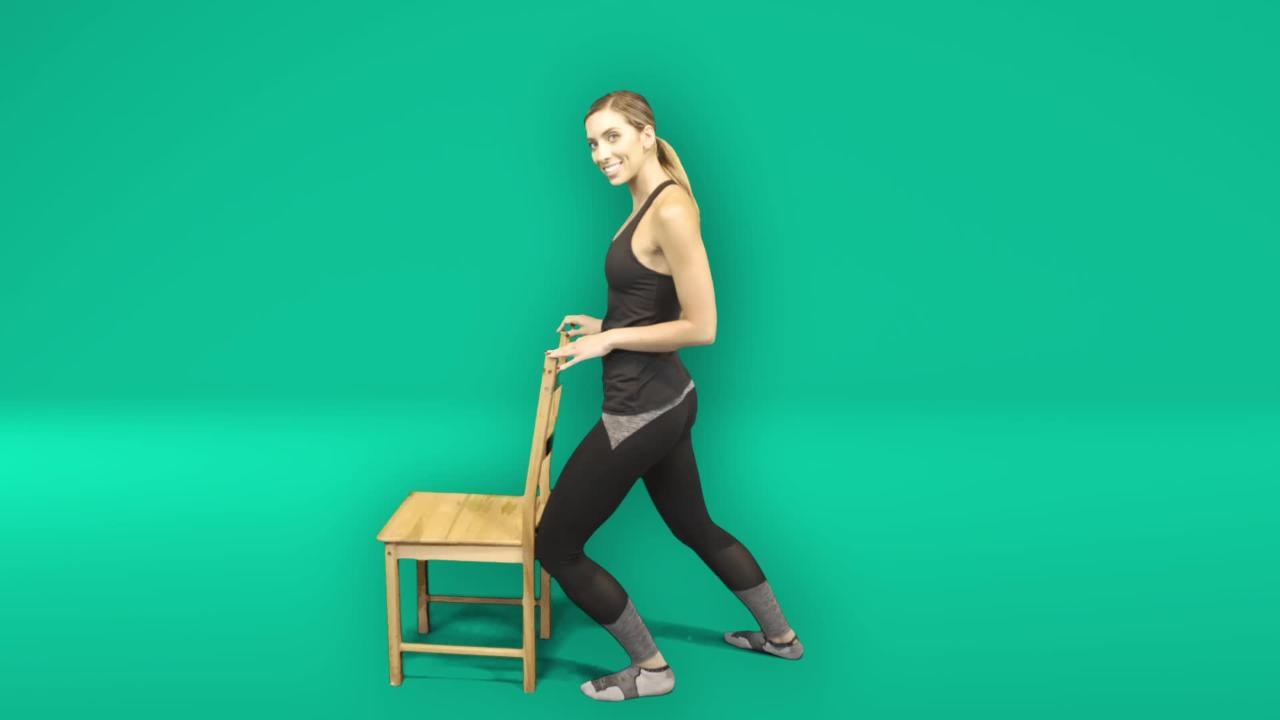
Video: Foot pain exercises
Peer reviewed by Dr Sarah JarvisLast updated by Lilly Sabri, MHPCLast updated 29 Nov 2017
Meets Patient’s editorial guidelines
- DownloadDownload
- Share
- Language
- Discussion
- Audio Version
- Add to preferred sources on Google
There are two main aims of physiotherapy for plantar fasciitis. The first is to control inflammation; the second is to stretch the muscles and connective tissue in the calf. Symptoms of plantar fasciitis are often brought on or made worse by tightening of these tissues. These exercises should take about 15 minutes a day. Once your symptoms are controlled it's worth getting into the habit of doing them once or twice a day to reduce the risk of symptoms coming back.
Playlist: Foot Pain Exercises
2 videos
Foot Pain: Inflammation Control with Lilly Sabri | Patient Physio
Lilly Sabri, MHPC
Foot Pain: Inflammation Control with Lilly Sabri | Patient Physio
Lilly Sabri, MHPC

Foot Pain: Stretches with Lilly Sabri | Patient Physio
Lilly Sabri, MHPC
Inflammation control
Ice bag method
Fill a bag with ice (do not apply ice directly to the skin).
Press the ice bag under your foot for about 12-15 minutes.
Ice bottle method
Fill a round bottle with water and place in the freezer overnight.
Cover the bottle with a thin wet tea towel and roll your foot on the bottle, adding pressure through the foot. Do this for about one to two minutes for each foot (if both are affected).
Complete as many times daily as possible.
This method is most effective first thing in the morning, when symptoms tend to be at their worst.
Foot pain stretches
Fascia is a band of tough connective tissue that connects muscles and other organs together and provides stability. These exercises are aimed at stretching both the fascia and the many muscles in your calves, to help relieve symptoms of plantar fasciitis.
Gastrocnemius muscle stretch
Stand with both feet forward, facing towards a wall.
With your hands resting on the wall for support, step one foot back into a lunge position.
Feel a stretch in the big calf muscle in the back of the lower leg by increasing the bend in the front knee. Be sure to keep the back heel flat on the floor.
Hold the stretch for 20 seconds, repeat three times with each leg, 2-3 times daily.
Soleus muscle stretch
Stand with both feet forward, facing towards a wall.
Place the left foot just behind the right.
To stretch the right soleus, bend your right knee as much as possible without the right heel leaving the floor.
The aim is to feel the stretch in the lower part of your right calf.
Hold the stretch for 20 seconds; repeat three times with each leg, 2-3 times daily.
Achilles tendon and deep calf stretch
Stand on a step with your heel hanging off the end of the step.
Hold on to something for support.
Drop both heels downwards towards the floor, feeling a stretch in the calf muscles and the Achilles tendon.
Hold for 20 seconds; repeat three times, 2-3 times daily.
Fascia stretch
From a seated position, place an elasticated resistance band (or towel) underneath the foot, just below teh toes rather than the arch
Keeping pressure on the band, dig your heel into the floor and pull your toes up using the band
Keep your spine upright and breathe into the stretch.
To increase the stretch, bring yourself to the front of the chair and straighten your leg.
Hold for 20 seconds; repeat three times, 2-3 times daily.
Arch supports and heel pads
If you can have a biomechanics assessment with a podiatrist that can really help.
If you know you have a flat foot (decreased arch) you may require orthotics for your shoes to help support your arches. These come in three forms:
Over-the-counter: these can be found in most chemists. I would recommend three-quarter length so as to fit into all shoes and trainers.
Heat-molded orthotics: these can be purchased from most physiotherapy clinics. They are more tailored orthotics that are heated and molded to your foot, depending on your specific biomechanics and symptoms. They normally cost £30-£50.
Podiatrist assessment: this is the most expensive but by far the most specific orthotic provision. The process, including assessment and fitted orthotics, normally costs between £200-£500. These orthotics are tailor-made following extensive assessment. I would recommend this type of insoles for those with chronic symptoms.
Taping: kinesiology (K Tape) is the most popular and effective taping technique for plantar fasciitis. It can be completed by the patient themself, is waterproof and can last for up to three days.
Patient picks for Foot problems
Foot care
Plantar fasciitis: how to ease pain and find the right treatment
Plantar fasciitis is a common cause of heel pain, caused by inflammation of the tissue at the bottom of your foot. The pain is caused by small tears and inflammation in the plantar fascia (the tissue that supports the arch of your foot). But how can you tell what's causing your heel pain, is there anything you can do to ease the condition at home and when should you seek specialist support?
by Gillian Harvey
Foot care
What’s causing your foot pain?
From stabbing heel pain first thing in the morning to burning sensations in the ball of the foot, the way your foot hurts can reveal a lot about what's going on underneath. Understanding these symptoms can make it easier to identify the most likely causes of foot pain and decide whether treatment may be needed.
by Josh Alderman
About the authorView full bio

Lilly Sabri, MHPC
Physiotherapist, Personal Trainer
BSc Physiotherapy, MCSP, MHPC, MAACP, MACSPM
Lilly Sabri is a chartered Physiotherapist, APPI pilates instructor, fitness, health and lifestyle influencer and founder of #LeanWithLilly.
About the reviewerView full bio

Dr Sarah Jarvis
Clinical Consultant
MA (Cantab), BM, BCh (Oxon), DRCOG, FRCGP, MBE
After training in medicine at Cambridge and Oxford, Dr Sarah Jarvis MBE became a GP.
Article history
Article also available in English, German, Spanish, French, Italian, Portuguese, Hindi, Hebrew, Arabic, and Swedish.
29 Nov 2017 | Latest version
Join the conversation
Share your thoughts or experiences with others in our patient communities.

Ask, share, connect.
Browse discussions, ask questions, and share experiences across hundreds of health topics.

Feeling unwell?
Assess your symptoms online for free
Sign up to the Patient newsletter
Your weekly dose of clear, trustworthy health advice - written to help you feel informed, confident and in control.
By subscribing you accept our Privacy Policy. You can unsubscribe at any time. We never sell your data.
More in foot care
- Anatomy of the foot
- Do your feet get smellier in winter?
- How to find the perfect running shoes for your feet
- How to keep your feet healthy this summer
- How to keep your feet problem-free
- How to stop your child catching a verruca
- Plantar fasciitis: how to ease pain and find the right treatment
- Signs you need to see a podiatrist
- Tips to prevent common foot injuries
- Wart and verruca treatment options
- What it's really like to live with gout
- What your shoes can tell you about your feet
- What's causing your cold hands and feet?
- What’s causing your foot pain?
- Why caring for your feet is so important if you have diabetes
- Winter foot care mistakes to avoid