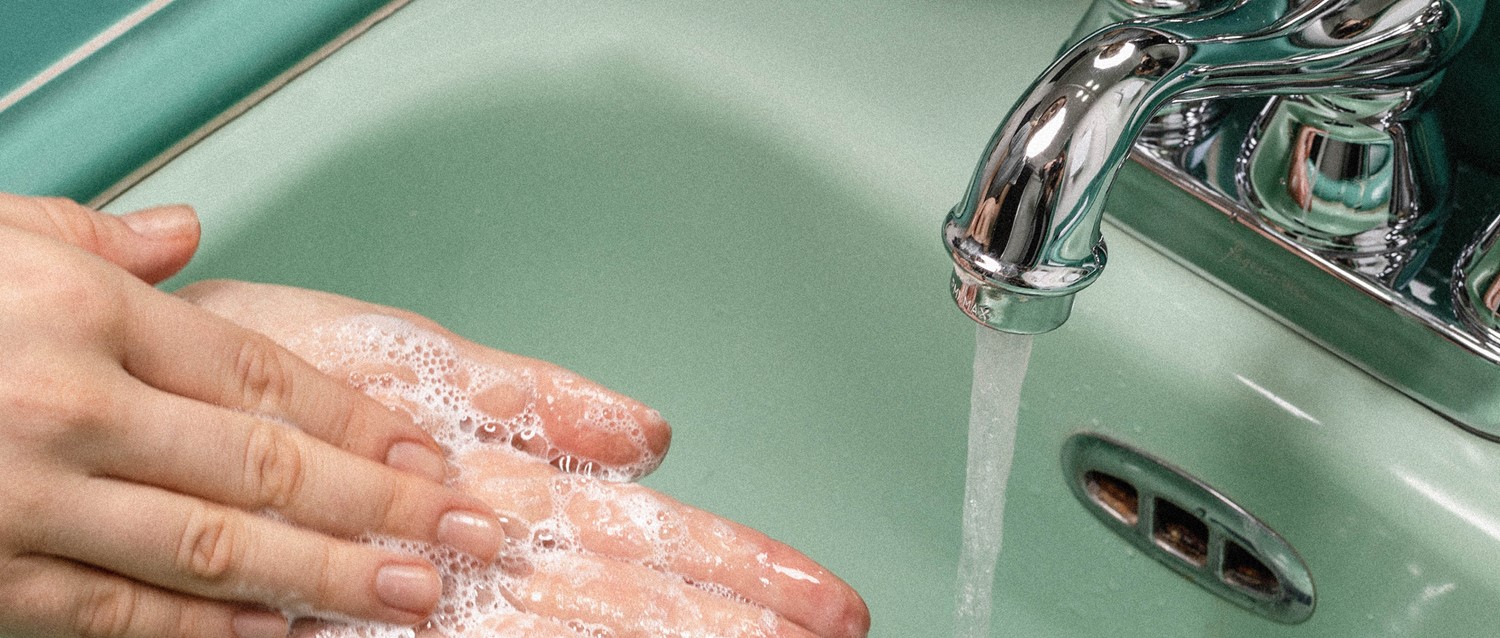
Being 'too clean' isn't bad for your health, experts confirm
Peer reviewed by Natalie HealeyAuthored by Milly EvansOriginally published 25 Jun 2019
Meets Patient’s editorial guidelines
- DownloadDownload
- Share
- Language
- Discussion
- Audio Version
- Add to preferred sources on Google
For decades there has been a divide in public opinion to hygiene - should you clean meticulously to eliminate bacteria or leave a bit of grime to build up your immune system and protect you from allergies? But a new study from the Royal Society for Public Health confirms that being 'too clean' is not bad for your health.
The report follows a national survey of public understanding and practice of hygiene, finding that there are key misconceptions which could be putting health at risk. Of the people surveyed, almost one in four (23%) believe that hygiene in the home is not important. Contrastingly, 36% of the public believe that dirt is usually or always harmful, despite there being little evidence to show that outdoor dirt is contaminated with harmful microbes, except when there are animals nearby.
Lisa Ackerley, Royal Society for Public Health (RSPH) trustee and food hygiene expert, says that spending time outdoors and playing with friends and pets is good for developing a healthy microbiome through exposure to good bacteria. However, she believes that a push for better hygiene is crucial to prevent outbreaks of bacteria and viruses such as the recent listeria outbreak.
"Good hygiene in the home and everyday life helps to reduce infections, is vitally important to protecting our children and reducing pressure on the NHS, and has a huge role to play in the battle against antibiotic resistance," she says.
Men were consistently more likely than women to say that unhygienic behaviour had little or no risk to health, as well as less likely to practise good hygiene like washing hands after sneezing. 16% of men surveyed believed that there was little or no risk associated with not using soap when washing hands, contrasted with 7% of women. 8% of men also thought this applied after handling raw meat, double the proportion of women who thought the same.
Poor hygiene practice was exhibited across the board, with 22% of respondents saying that they never wash and dry dish towels between use and one in five people saying that they never wash towels or bed linen at 60° or above. However, the RSPH suggested that this is due to lack of understanding of the hygiene risk of these practices as almost half said that not washing towels and bed linen at high temperatures was low risk.
The report found that people thought that cleaning areas of the house like the toilet and floors was very important because of the likelihood of harmful microbes being found there. The RSPH said that it was more important for the public to understand that removing microbes from areas where transmission is likely is more important to health than removing them from areas where they may exist but are unlikely to be spread like toilet bowls and floors. They are now calling for schools to teach this method of 'targeted hygiene' in the PSHE curriculum and for manufacturers to help people understand it through better labelling on products.
Professor Sally Bloomfield of the London School of Hygiene and Tropical Medicine and chairman of the International Scientific Forum on Home Hygiene commented that: "The problem is that we have become confused about what hygiene is, and how it differs from cleanliness. Whereas cleaning means removing dirt and microbes, hygiene means cleaning in the places and times that matter - in the right way - to break the chain of infection whilst preparing food, using the toilet, caring for pets etc."
She emphasises the need for a combined effort from health providers and the public to fight antimicrobial resistance. "Targeted hygiene offers a lifestyle which maximises protection at times when we risk exposure to harmful microbes, but at the same time maximises ongoing interaction with microbial friends from human, animal and natural environments."
Patient picks for Preventing disease
General health and lifestyle
Being 'too clean' isn't bad for your health, experts confirm
For decades there has been a divide in public opinion to hygiene - should you clean meticulously to eliminate bacteria or leave a bit of grime to build up your immune system and protect you from allergies? But a new study from the Royal Society for Public Health confirms that being 'too clean' is not bad for your health.
by Milly Evans
General health and lifestyle
Are you washing your hands properly?
Most of us know how important it is to practise good hand hygiene. But just because you're washing your hands often, doesn't mean that you're washing them well. We find out the best way to wash your hands and we explain why it's so crucial to our health.
by Milly Evans
About the authorView full bio
Authored by

Milly Evans
Editor
Milly writes on a range of health topics, with a particular interest in health inequality and sexual health.
About the reviewerView full bio

Natalie Healey
Freelance journalist
BSc (Hons) Biomedical Science
She is a London-based health journalist who has been writing about science and medicine for several years. She is the former head of editorial at Patient.
Article history
Article also available in English, German, Spanish, French, Italian, Portuguese, Hindi, Hebrew, Arabic, and Swedish.
25 Jun 2019 | Originally published
Authored by:
Milly EvansPeer reviewed by
Natalie Healey
Join the conversation
Share your thoughts or experiences with others in our patient communities.

Ask, share, connect.
Browse discussions, ask questions, and share experiences across hundreds of health topics.

Feeling unwell?
Assess your symptoms online for free
Sign up to the Patient newsletter
Your weekly dose of clear, trustworthy health advice - written to help you feel informed, confident and in control.
By subscribing you accept our Privacy Policy. You can unsubscribe at any time. We never sell your data.