How is technology helping to put patients in charge of their own health?
Peer reviewed by Dr Sarah JarvisAuthored by Emily Jane BashforthOriginally published 16 Nov 2021
Meets Patient’s editorial guidelines
- DownloadDownload
- Share
- Language
- Discussion
- Audio Version
- Add to preferred sources on Google
Thanks to developments in technology, patients can manage their health better than ever without needing to leave the comfort of their home. Particularly through the pandemic, technology has been a saviour for many patients needing to consult their GPs and order medication. But how else has technology revolutionised healthcare and empowered patients to take charge of their conditions?
We know about how advances in technology allow medical professionals to provide quality, efficient care. Whether it’s robotic surgery or using artificial intelligence (AI) to detect cancers, healthcare has come a long way and continues to advance as we speak.
However, you might not realise just how much is right at your fingertips and how you can use technology to manage your own health. There are online services available for people of all ages and abilities allowing you bodily autonomy and the chance to choose appropriate forms of treatment.
What are the benefits of utilising technology to manage your health?
Offers you independence.
Prevents you from feeling isolated.
Connects you with services that can provide specialist support (such as antenatal and talking therapy).
Allows you to communicate with doctors and other healthcare professionals.
Prevents you from visiting your GP surgery unnecessarily.
Allows you to book appointments from your phone.
Allows you to order medication quickly and easily, and choose the pharmacy they are sent to.
Allows you to view your own records.
Medical records
From 2022, everyone should have full access to their NHS medical records, except in exceptional circumstances (such as where those records contain information about someone else).
Dr Sarah Jarvis, Clinical DIrector of Patient.info, stresses the practical importance of this move.
"More and more people are living with long-term health conditions which require ongoing monitoring. It's not enough to have an appointment with your GP or specialist every 3 months and forget about your condition in between. There's a wealth of evidence that the more your feel engaged in the management of your own health, the more likely you are to take daily steps to improve it. And having access to your medical records, including results of investigations, is a big step towards putting you in control."
Home monitoring
You can now monitor various conditions from home without needing face-to-face appointments to be checked over by your GP.
If you have a long-term condition such as asthma, diabetes, arthritis or heart disease, you'll be asked to visit your general practice or your hospital clinic for follow-ups. However, there are things you can do from home too.
50% of people with type 1 diabetes are now using flash glucose monitoring to keep track of their glucose levels. Flash glucose monitoring is a new technology that involves placing a sensor on your upper arm for 14 days. It measures your interstitial glucose. You scan the sensor with a reader that will show your current glucose reading and a trace for the previous eight hours.
Dr Jarvis explains just how life-changing this sort of technology can be.
"Keeping your glucose well controlled can dramatically reduce the risk of long-term complications of diabetes, such as eye problems, kidney deterioration and foot problems which could ultimately lead to amputation. These issues are all linked to high blood glucose - but if control is too tight, you run the risk of low blood sugar (hypoglycaemia) which can be very debilitating.
"Flash glucose monitoring shows trend direction arrows depicting whether your glucose levels are going up, down or stable. And equally importantly in terms of helping you to keep your glucose optimally controlled, it provides a picture of how much time your glucose is in the target range. This allows you and your healthcare professional to work out adjustments to carb intake or insulin dose to keep your glucose at optimal levels while avoiding avoid hypoglycaemia."
By providing a clear picture of your glucose levels in this way, home monitoring helps you keep on top of your diabetes throughout the day and overnight, unlike a traditional ‘snap shot’ finger prick blood glucose test.
Similarly, you can now get wearable monitors to monitor your blood pressure and breathing capacity. You can then relay the results to your medical team.
Video consultations
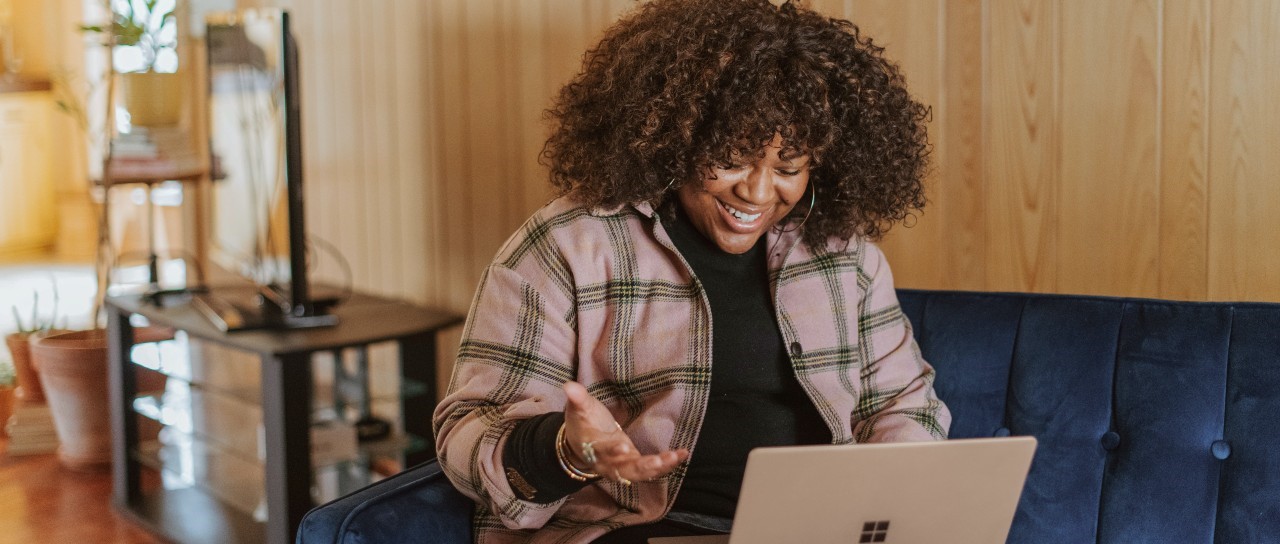
Video calls have transformed the way patients connect with their GPs. Particularly during the COVID-19 lockdowns, video consultations allowed patients to contact their doctors from home while face-to-face appointments were kept to a minimum in the interest of everyone’s safety.
Dr Jarvis has found that many patients have welcomed the option of remote consultations.
"While video calls aren’t for everyone, they can be really convenient if you struggle to find time for appointments at your general practice or hospital. They also allow you to discuss personal matters from the privacy of your home, which can be particularly helpful if you get stressed or anxious. And an indirect benefit is that if we as doctors can save time through remote consultations, we have more time to offer to people with complex medical conditions who need to see us face to face."
Video calls can be carried out from your phone or computer with a webcam, and minimise your contact with other patients, therefore reducing your risk of further infection.
Medication assistant
Patient Access offers a range of features to connect you to your local health services when you need them most. From booking appointments to ordering repeat prescriptions, from discovering nearby services to messaging your practice on the go.
Medication Assistant specifically allows you to opt in to receive personalised tips and information written by GPs and specialised healthcare authors. These are tailored specially to you based on your medications and health conditions. Using your electronic records, Medication Assistant can send you emails with information and details about medications you’re taking and diagnoses you have.
Ultimately, the number of people across the country using technology to manage their health is rising. Research shows 75% of the population goes online for health information and with gadgets and devices developing every day, it’s exciting to imagine what might be possible in the future.
Patient picks for Healthcare

General health and lifestyle
What to do if you're worried about a loved one's health
The most surprising people bury their heads in the sand where their health is concerned. They may be hoping it will all go away; or terrified of hearing bad news; or kidding themselves there's nothing wrong. So how do you help a loved one who seems to be in denial?
by Dr Sarah Jarvis
General health and lifestyle
What you need to know about stopping medication
If you're one of the nearly half of UK adults taking at least one regular medicine, there may come a time when you want to stop. But if you do choose to come off medication, it's important to do so only with the advice of your pharmacist or GP.
by Dr Sarah Jarvis
About the authorView full bio
Authored by

Emily Jane Bashforth
Feature Writer
NCTJ
Emily is a Feature Writer with Patient, writing articles on a variety of topics relating to health and well-being.
About the reviewerView full bio

Dr Sarah Jarvis
Clinical Consultant
MA (Cantab), BM, BCh (Oxon), DRCOG, FRCGP, MBE
After training in medicine at Cambridge and Oxford, Dr Sarah Jarvis MBE became a GP.
Article history
Article also available in English, German, Spanish, French, Italian, Portuguese, Hindi, Hebrew, Arabic, and Swedish.
16 Nov 2021 | Originally published
Authored by:
Emily Jane BashforthPeer reviewed by
Dr Sarah Jarvis
Join the conversation
Share your thoughts or experiences with others in our patient communities.

Ask, share, connect.
Browse discussions, ask questions, and share experiences across hundreds of health topics.

Feeling unwell?
Assess your symptoms online for free
Sign up to the Patient newsletter
Your weekly dose of clear, trustworthy health advice - written to help you feel informed, confident and in control.
By subscribing you accept our Privacy Policy. You can unsubscribe at any time. We never sell your data.