
Wie Sie Ihr Schlafverhalten verbessern können
Begutachtet von Dr Colin Tidy, MRCGPZuletzt aktualisiert von Victoria RawZuletzt aktualisiert 6. Jan. 2026
Erfüllt die redaktionelle Richtlinien
- HerunterladenHerunterladen
- Teilen
- Language
- Diskussion
- Audio-Version
- Zu bevorzugten Quellen bei Google hinzufügen
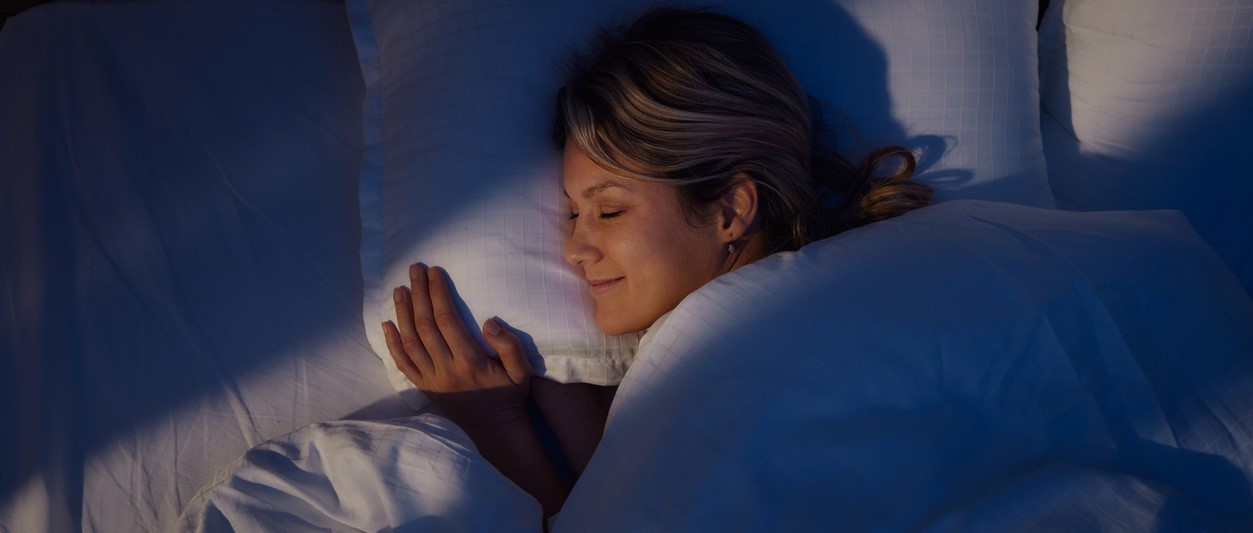
Schlaf ist wichtig für unser Wohlbefinden, und ein Mangel an Schlaf kann alles von der Arbeitsleistung bis zur Immunfunktion beeinträchtigen. Da jeder Fünfte von uns nicht genug Schlaf bekommt, erkunden wir die besten Möglichkeiten, das Schlafverhalten zu verbessern.
While medical disorders such as Schlafapnoe or chronic Schlaflosigkeit may need professional investigation, for many of us our lack of sleep is lifestyle related.
According to the Royal Society for Public Health (RSPH), sleep deprivation commonly affects regular commuters, shift workers, new parents, young people and those with active social lives.
Experts recommend we set regular hours for sleep, and aim to get seven or eight hours a night to function at our best. However, in reality, if we have young children, work shifts, or other unalterable interruptions during the night, this might not be possible.
But, whilst we can't always change the quantity of sleep we have, there are many natural ways to improve our sleep quality and make the most of our rest.
Tune in to your rhythm
When trying to maximise the benefits of sleep, it's important to understand your body's natural rhythms and work with them.
Gemma Clare, holistic health specialist, says that we sleep in 90-minute cycles. If you stay in line with this natural timing, you can feel more rested, even if you aren't getting quite as much as you need.
"By dividing your night into 90-minute blocks, you can avoid being woken in the middle of a sleep-cycle, and allow your body to wake up more naturally. The optimum amount might be six 90-minute cycles," she explains. "But if you break after four or five, you will feel more rested than if you continue to sleep and wake up in the middle of a cycle."
Clare adds that several downloadable apps are available to support a healthy sleep schedule.
"These can help you plan your bedtime and the best time to wake, based on the time available," she says.
Focus on quality
Even if you're not getting enough sleep, it's important to make the most of the sleep you have. This is called improving the quality of your rest.
Sleep apnoea specialist Dr Sabrina Magid-Katz says: "Most people don't think about what happens while they are sleeping. Many wake up periodically during the night without even knowing it. These are called mini-arousals and they can be worsened by poor sleeping position. You might think you got a full night's sleep, but may still be tired."
To optimise your sleep, Katz recommends you consider the quality of your mattress and bedding. She explains that if you're waking up in pain, this may be an indication that your back isn't being properly supported by your mattress. Additionally, if you have allergies, you may wish to consider hypoallergenic bedding.
Improve your sleep environment
It's also important to ensure your bedroom promotes good sleep.
Clare says: "Make sure your bedroom is tidy. Messy rooms can affect your sleep, even if you're not consciously aware of it."
Es ist wichtig zu keep your bedroom solely for sleep and other bedtime activities. This will give your subconscious a clear indication that it's time for rest.
Light pollution
Light pollution disrupts your body’s natural rhythms, so it's crucial you minimise excess light in your bedroom. Try investing in blackout blinds or a sleep mask to cut down on unnecessary stimulation.
Exposure to blaues Licht from electronic screens can also disrupt your sleep - even after you've switched your phone off for the night.
Optometrist and wellness expert Dhruvin Patel from Ocushield says that screens impact your sleep due to harmful blue light emitted from the digital device itself. This light disturbs a hormone called melatonin which is responsible for telling your body it's time to sleep.
To ensure your body is ready for rest, it's important to be mindful of your use of technology.
Patel advises: "Reducing the amount of screen time directly before you plan to fall asleep, critically in the hour before the run up to bedtime should help. You can also reduce the brightness of screens by using blue-light software or filtering products."
Help your body to switch off
In today's busy world, it's easy to feel stressed. Your body may well hold onto that tension, making it difficult to switch off. There are many ways in which you can help your muscles to relax, from Meditation to taking a warm bath.
Essential oils such as lavender and ylang ylang are also said to promote relaxation and rest. Try adding a few drops to some distilled water and spritzing your sheets, or add a few drops to your evening bath.
What about medicine?
Whilst medicine has its place, all Schlaftabletten carry a chance of serious side effects, including addiction, in the medium-long term. It's always more beneficial to seek a natural solution to tiredness or poor quality sleep.
Clare warns that taking medicine can sometimes mask an issue rather than solve it.
"It's far better to find a natural solution," she says.
However, if you suspect you have a sleep disorder, it may be worth discussing further intervention.
Katz says: "If all else fails, or you suspect you have a more serious problem, see your doctor. You may benefit from medicine or an appliance that can improve your sleep and make you healthier."
Making the most of rest
Whilst you might not be able to stop your baby crying, or ignore that urgent phone call, by carrying out a few simple tweaks you can make the most of your sleep - and feel more rested as a result.
Patientenauswahl für Schlaf und Schlaflosigkeit
Gesundes Leben
Wie man besser schläft
Schlaflosigkeit ist sehr häufig – mindestens 1 von 3 Menschen hat Schlafprobleme. Aber einfache Veränderungen können einen Unterschied für Ihre Schlafqualität machen. Wie können Sie und Ihr Kissen also wieder Freunde werden?
von Amberley Davis

Gesundes Leben
Ist Schlafapnoe gefährlich? Wenn Schnarchprobleme ernst werden
Von Grunzen bis zu lauten Schnarchern – 1 von 4 von uns schnarcht beim Schlafen. Schnarchen an sich ist in der Regel kein Grund zur Sorge, aber für manche Menschen ist es das Hauptsymptom der obstruktiven Schlafapnoe. Dies ist eine atembezogene Schlafstörung, die unbehandelt ernsthafte Folgen haben kann.
von Lynn Stephen
Über den AutorVollständige Biografie anzeigen
Aktualisiert von

Victoria Raw
Feature-Autorin
BA (Hons), Englische Literatur
Victoria ist Content-Autorin bei Patient, mit besonderen Interessen in den Bereichen psychisches Wohlbefinden, gesellschaftliche Trends und die Auswirkungen von Technologie auf unsere Gesundheit.
Verfasst von

Gillian Harvey
Freiberufliche Autorin
BA (Hons) Englisch
Gillian ist freiberufliche Autorin und Kolumnistin für verschiedene nationale Zeitungen und Zeitschriften.
Über den RezensentenVollständige Biografie anzeigen

Dr Colin Tidy, MRCGP
Allgemeinmediziner, Medizinischer Autor
MBBS, MRCGP, MRCP (Paediatrics), DCH
Dr. Colin Tidy ist ein NHS-Arzt mit Sitz in Oxfordshire.
Artikelverlauf
Artikel auch verfügbar in Englisch, Deutsch, Spanisch, Französisch, Italienisch, Portugiesisch, Hindi, Hebräisch, Arabisch, und Schwedisch.
Nächste Überprüfung fällig: 6. Jan. 2029
6. Jan. 2026 | Neueste Version
12 Oct 2017 | Ursprünglich veröffentlicht
Verfasst von:
Gillian Harvey
Nehmen Sie an der Diskussion teil
Teilen Sie Ihre Gedanken oder Erfahrungen mit anderen in unserem Patientengemeinschaften.

Fragen, teilen, verbinden.
Durchsuchen Sie Diskussionen, stellen Sie Fragen und teilen Sie Erfahrungen zu Hunderten von Gesundheitsthemen.

Fühlen Sie sich unwohl?
Bewerten Sie Ihre Symptome online kostenlos
Abonnieren Sie den Patienten-Newsletter
Ihre wöchentliche Dosis klarer, vertrauenswürdiger Gesundheitsberatung - geschrieben, um Ihnen zu helfen, sich informiert, selbstbewusst und in Kontrolle zu fühlen.
Durch das Abonnieren akzeptieren Sie unsere Datenschutzrichtlinie. Sie können sich jederzeit abmelden. Wir verkaufen Ihre Daten niemals.