
Wie man erkennt, ob ein Getränk manipuliert wurde
Fachlich geprüft von Dr Sarah JarvisZuletzt aktualisiert von Emily Jane BashforthZuletzt aktualisiert 11 Nov 2021
Erfüllt die Anforderungen des Patienten redaktionellen Richtlinien
- HerunterladenHerunterladen
- Teilen
- Language
- Diskussion
- Audio-Version
- Zu bevorzugten Quellen bei Google hinzufügen
Drink-Spiking hat kürzlich Schlagzeilen gemacht, nachdem mehrere Berichte über Frauen aufgetaucht sind, deren Getränke manipuliert und die mit Nadeln, die unbekannte Substanzen enthalten, in Nachtclubs injiziert wurden. Allerdings ist das Thema nicht neu, da Drink-Spiking schon lange ein wachsendes Problem darstellt. Obwohl das Drink-Spiking niemals die Schuld des Opfers ist, ist es wichtig, dass Sie in der Lage sind, die Anzeichen zu erkennen und wissen, was zu tun ist, wenn Sie glauben, dass es Ihnen oder einem Freund passiert sein könnte.
What is drink spiking?
To spike a drink means putting a substance in someone's drink that they have no knowledge of and haven't consented to. This is usually with Drogen oder Alkohol.
There are different types of drink spiking. People spike drinks with different substances with a range of motives, including sexueller Übergriff and theft.
Drinkaware says drink spiking can happen to any type of drink, both alcoholic and non-alcoholic.
"The effects can be unpredictable, but are likely to be more serious if someone who's had their drink spiked has also consumed more alcohol, or other drugs. This is because of the combination of effects from the different drugs working at the same time," they say.
What are drinks usually spiked with?
Drinkaware says drinks can be spiked with:
Alcohol - shots of alcohol can be added to make drinks stronger and cause someone to get drunk more quickly.
Date rape drugs - these are specifically designed to incapacitate someone.
Illegal drugs.
Prescription drugs - for example, stimulants, tranquilisers, sedatives, or opiates.
Who is at risk of drink spiking?
Drink spiking can happen to anyone. It's not possible to give exact numbers of people who have had their drinks spiked, as not everyone comes forward (for example, if they were then sexually assaulted) and victims often can't remember what happened.
However, data show that incidents of drink spiking in the UK increased by 108% between 2015 and 2018. There were 179 recorded incidents in 2017 alone.
Studies also show that women are targeted more than men, with a Studie aus dem Jahr 2016 finding 71% of spiking victims were women.
How can you tell if your drink has been spiked?
Alex Walker, founder of Bee Sober CIC, had her drink spiked at the age of 18. She says, unfortunately, most drugs used to spike alcoholic drinks are tasteless, colourless and odourless. This can make it almost impossible to tell if someone has spiked your drink when you drink it. However, there are some tell-tale signs, usually in a person's body language or behaviour.
The effects of a spiked drink can depend on:
The substance used.
What drink has been spiked.
How much of the substance has been used.
The size and weight of the person who drank it.
How much alcohol the person has already consumed.
"You may appear unusually drunk or more drunk than normal after drinking the same amount. Your vision can become blurred, you feel dizzy and confused and you may experience Übelkeit or actual vomiting. Some drugs lead to loss of consciousness," she says.
Other symptoms of drink spiking can include:
Atemprobleme.
Muscle spasms or Anfällen.
Speech difficulties and slurring.
An unusually long hangover.
A severe hangover when you did not drink alcohol.
Having gaps in your memory about what happened the previous night.
Walker highlights the difficulty in knowing if someone has been spiked as the signs are very similar to those experienced when you are drunk. But, if you or a friend begin acting out of the ordinary, it is always better to be safe than sorry and treat it as if their drink has been spiked.
What should you do if you suspect your drink has been spiked?
If you think your drink has been spiked, stop drinking it. Don't take another sip out of curiosity or to 'double check'. You should tell someone who you trust immediately and go to a safe place. Walker says the longer you wait, the harder it can become to communicate what has happened. If you find that you are alone, find someone in authority to help you - for example, a member of staff at the club or restaurant you are in.
"My advice would be to tell one of the bar staff. If it's happened to you, and something doesn't feel right, stay around your friends. If you think someone else has been spiked, reassure them that they will be OK. If they are well enough, take them home and stay with them, keeping a close eye on them. Call an ambulance if you feel they are deteriorating - for example, if they lose consciousness." advises Walker.
You should also contact the police as soon as possible after a suspected drink spiking, and if you have been a sexually assaulted.
Can you prevent your drink from being spiked?
The onus shouldn't be on anyone with a drink to take precautions to stop it from being spiked, but rather on others not to spike in the first place.
With women being the primary victims of drink spiking, it should not be their responsibility to guard their drinks and go to extreme lengths to identify a poisoned drink.
The key to tackling drink spiking is annihilating it at the root and educating people from an early age. Many organisations and campaigners believe we need to update sex education curriculums to teach more about consent and introduce drink spiking to that conversation as early as possible.
While it's important to stress that you are not to blame if your drink is spiked, you must know how to keep yourself safe. There are things you can do to reduce the chances of your drink being spiked, or to prevent anyone else from getting near it.
Walker recommends:
Buying your own drinks.
Watching the bartender prepare your drinks.
Buying bottles, instead of glasses.
Keeping your thumb over the opening or buying a cap.
Not leaving your drink unattended.
Partying safely with people you know.
Asking a trusted friend to keep hold of your drink if you absolutely have to leave it.
Not accepting drinks from strangers.
Buying another drink if you are in any doubt at all.
Patientenauswahl für Alkoholberatung

Gesundes Leben
Hard Seltzer: Wie gesund ist es?
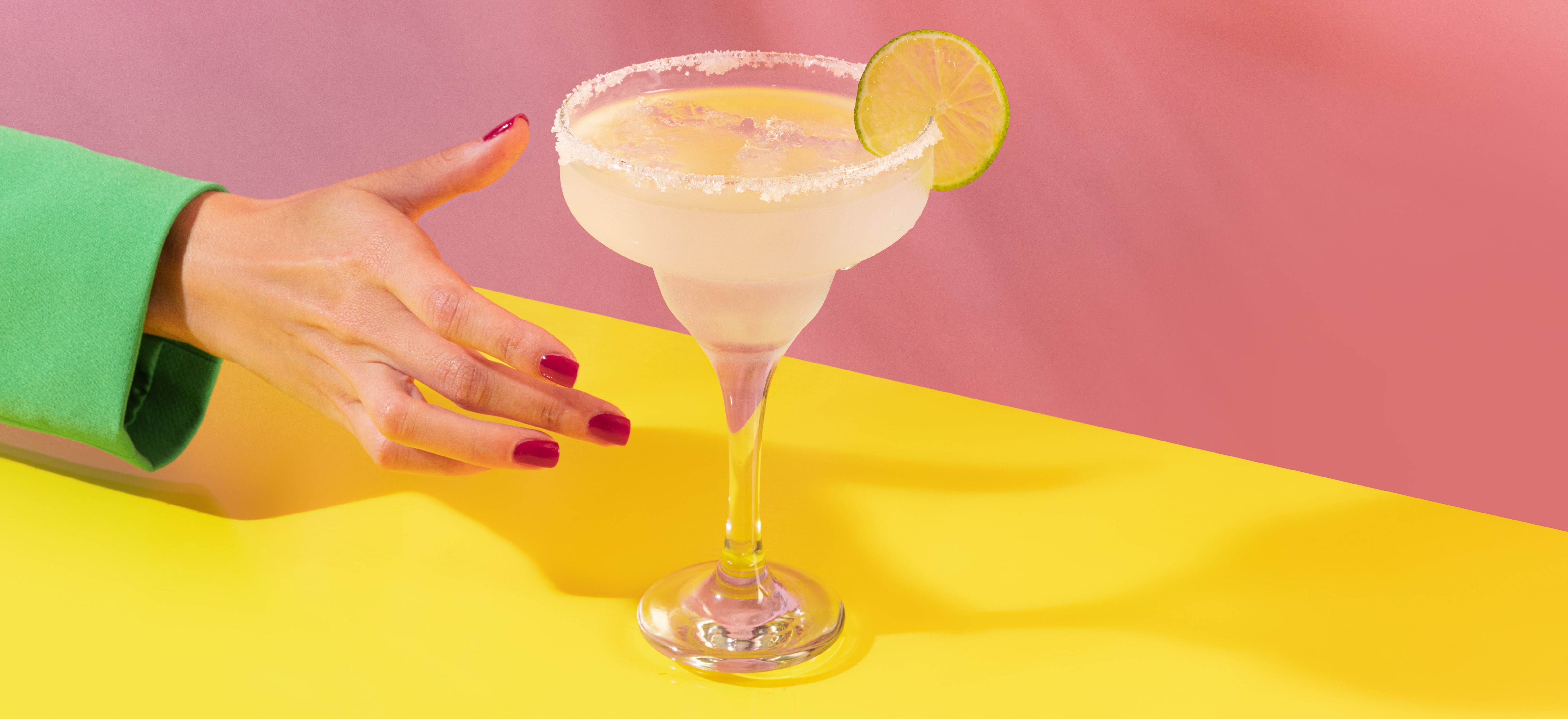
Hard Seltzer ist das beliebte Sommergetränk, das in den USA und jetzt auch in Großbritannien für Aufsehen sorgt. Wir haben viele der Gesundheitsmythen rund um dieses sprudelnde alkoholische Getränk entlarvt.
von Amberley Davis
Gesundes Leben
Wo Sie Unterstützung finden, wenn Sie Opfer von K.O.-Tropfen geworden sind
Hilfe zu suchen, nachdem Ihr Getränk manipuliert wurde, kann beängstigend sein, besonders wenn Sie sich nicht erinnern können, was passiert ist. Aber obwohl es traumatisch sein kann, ist es wichtig, jemanden darüber zu informieren, was passiert ist, um das Risiko schwerwiegender medizinischer Komplikationen und langfristiger psychologischer Auswirkungen zu verringern. Es gibt viele Unterstützungsmöglichkeiten für Opfer von Getränkemanipulationen, und es werden verschiedene Behandlungen angeboten, um Ihnen zu helfen, sich wieder sicher zu fühlen.
von Emily Jane Bashforth
Über den AutorVollständige Biografie anzeigen

Emily Jane Bashforth
Feature-Autorin
NCTJ
Emily ist Feature-Autorin bei Patient und schreibt Artikel zu verschiedenen Themen rund um Gesundheit und Wohlbefinden.
Über den RezensentenVollständige Biografie anzeigen

Dr. Sarah Jarvis
Klinische Beraterin
MA (Cantab), BM, BCh (Oxon), DRCOG, FRCGP, MBE
Nach ihrer medizinischen Ausbildung in Cambridge und Oxford wurde Dr. Sarah Jarvis MBE Hausärztin.
Artikelverlauf
Die Informationen auf dieser Seite werden von qualifizierten Klinikern begutachtet.
Artikel auch verfügbar in Englisch, Deutsch, Spanisch, Französisch, Italienisch, Portugiesisch, Hindi, Hebräisch, Arabisch, und Schwedisch.
11 Nov 2021 | Neueste Version
11 Nov 2021 | Ursprünglich veröffentlicht

Fragen, teilen, verbinden.
Durchsuchen Sie Diskussionen, stellen Sie Fragen und teilen Sie Erfahrungen zu Hunderten von Gesundheitsthemen.

Fühlen Sie sich unwohl?
Bewerten Sie Ihre Symptome online kostenlos
Abonnieren Sie den Patienten-Newsletter
Ihre wöchentliche Dosis klarer, vertrauenswürdiger Gesundheitsberatung - geschrieben, um Ihnen zu helfen, sich informiert, selbstbewusst und in Kontrolle zu fühlen.
Durch das Abonnieren akzeptieren Sie unsere Datenschutzrichtlinie. Sie können sich jederzeit abmelden. Wir verkaufen Ihre Daten niemals.
Mehr zum gesunden Leben
- 5 Vorteile des Lesens
- Sind Tanz-Workouts gut, um fit zu bleiben?
- Körperpositivität: 7 tägliche Gewohnheiten für Selbstliebe und Akzeptanz in jedem Alter
- Können Haartransplantationen die psychische Gesundheit verbessern?
- Haben Sie einen gesunden, glücklichen Vatertag
- Wie man seinen Alkoholkonsum auf einer Weihnachtsfeier der Arbeit kontrolliert
- Wie Sie als schwarze Frau Ihre psychische Gesundheit am Arbeitsplatz schützen können
- Wie man die Anzeichen von Cybermobbing erkennt
- Wie man diesen Herbst eine neue Fitnessroutine beginnt
- Verbesserung der geistigen und körperlichen Gesundheit durch Bewegung
- Beeinflusst Schlaflosigkeit Ihre Arbeit?
- Ist das 12-3-30-Workout von TikTok gut?
- Verbessere dein echtes Leben: 6 Gesundheitstipps, die jeder Gamer kennen sollte
- Intimität pflegen: 6 Tipps für langfristige Beziehungen
- Jeder fünfte Krankenhauspatient hat ein Alkoholproblem
- Die besten Trainingsformen für diejenigen, die das Fitnessstudio hassen
- Was sind die Risiken von Alkohol im Alter?
- Was ist Kreatin? Vorteile, Anwendungen und Risiken
- Warum brauchen wir Schlaf?
- Warum beeinflusst Alkoholkonsum Ihren Schlaf?