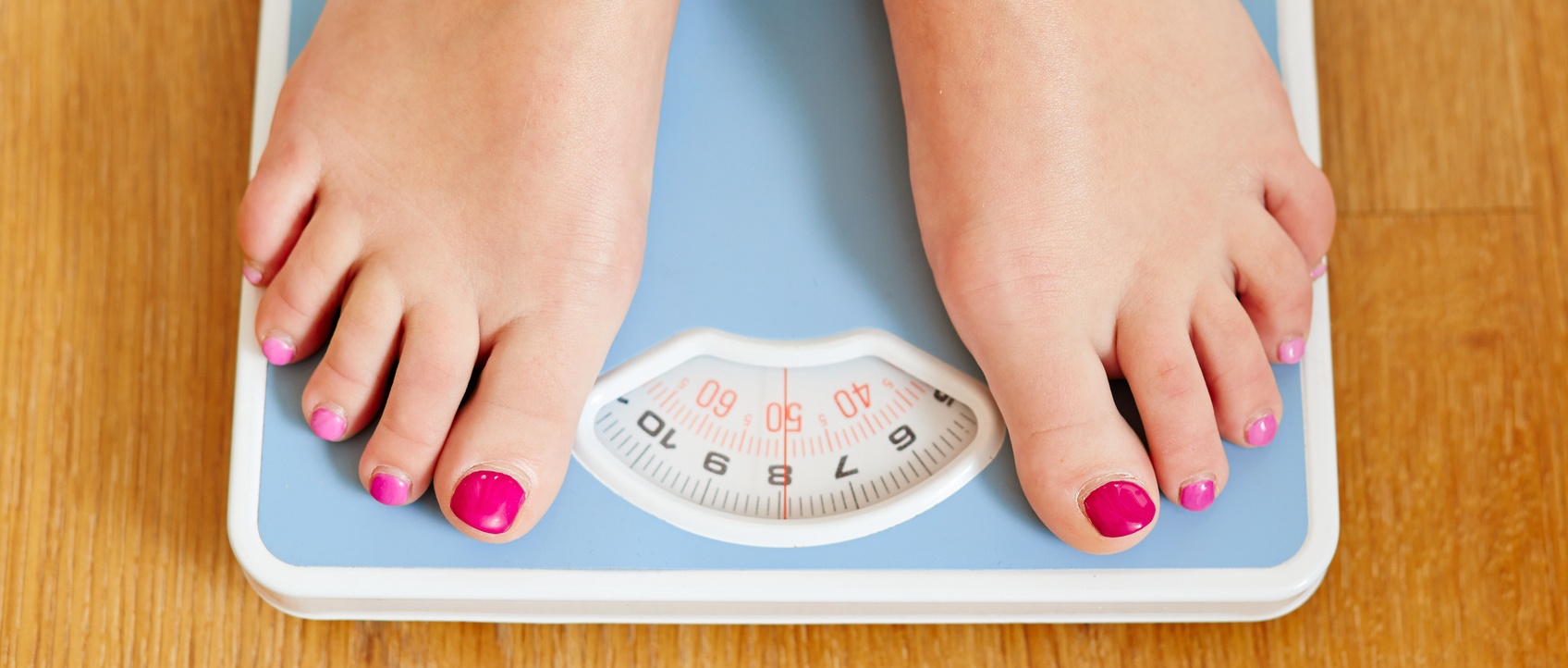
The most common reasons you're not losing weight
Peer reviewed by Dr Krishna Vakharia, MRCGPLast updated by Victoria RawLast updated 28 Jan 2025
Meets Patient’s editorial guidelines
- DownloadDownload
- Share
- Language
- Discussion
- Audio Version
- Add to preferred sources on Google
If you're worried about not reaching your ideal weight - despite recently shedding some pounds - we explore potential reasons why your weight loss may have plateaued.
Need weight loss treatment?
Start a quick online consultation through Patient.info, available 24/7.
Reviewed by UK-registered clinicians and powered by Evaro, a UK-regulated healthcare service. Treatment can often be delivered next day.

You're not sleeping well
When you sleep your body naturally slows down and uses less energy. You might sleep for ten hours and feel fine in the morning. But try not eating or drinking for the same amount of time. You'd be thirsty and hungry, right?
If you're having trouble sleeping, then your body tends to go into stress mode. Stress hormones such as cortisol are naturally low at night, but will go up again if we're awake. Cortisol makes our bodies lay down fat reserves 'just in case'.
Plus if you're awake, you're up and possibly in the kitchen - so your tendency to snack is higher.
The underlying question is - why aren't you sleeping?
You're feeling anxious, stressed or depressed
Sarah Walford, a nutritionist based in London, explains that stress is a two-fold process.
"Some people feel so anxious they can't eat, while others tend to binge eat," she says. "When you feel stressed, your body releases cortisol in an attempt to free up sugar into your bloodstream. If you then can't burn off that sugar it gets converted to fatty acids, which makes you put on weight. That kind of weight gain is often around the tummy rather than the arms or legs."
Scientists have also found a potential link between carbohydrates and serotonin - the hormone that helps to regulate your mood. There is a theory that, without realising it, by eating carbohydrates you are attempting to boost your serotonin levels when you feel depressed. Hence why we love 'comfort food' when we're feeling down - such as pizza, mashed potato, toast.
But of course, all that carbohydrate can make you put on weight.
You're working night shifts or long hours
Walford explains that, nowadays, more people work through the night.
"Think nurses, factory workers, delivery drivers, office cleaners," she says. "Your body wants to be asleep, but if you're awake and working then your cortisol production kicks in. This is the same bad cycle we see in people who are stressed or anxious. Cortisol frees up sugar which - if it isn't burnt off - gets converted to fatty acids and laid down as fat."
With more people working nights, this increases the chance of negative consequences for their weight and health.
When you work nights, you also tend to eat unhealthily and mainly during the later hours. This is bad for your health, but also tends to make you put on weight because your body can't digest food as efficiently at night as during the day.
If you do work nights, try regular small snacks which are high in protein or fibre. Some grilled meat or fish, a salad and plenty of water can help get you through your shift.
You're skipping meals or 'yo-yo' dieting
You're going out for dinner with friends later, so what do you do for lunch? Skip it? This technique is unlikely to lead to weight loss.
Walford warns: "Skipping meals puts your body into self-defence mode. Low food intake slows your metabolism down. So then when you go back to eating normally you're putting food into your body but not burning it off as quickly."
You end up putting the weight back on and sometimes even more than before."
Walford's talking about the unhealthy technique of skipping meals followed by binge-eating, rather than 'intermittent fasting' - made famous by the 5:2 diet - for weight loss. Intermittent fasting works but it's a tougher regime for some people to maintain than merely eating a bit less. And it's not a good idea if you've had an eating disorder in the past.
You're into the coffee shop culture
In most places there's plenty of coffee shops. These coffees or hot chocolates may taste nice and make you feel good - for a bit - but they aren't a great choice if you're trying to lose weight.
Walford suggests you watch the milk: "Many white coffees or hot chocolates from cafes have much more milk in than you would put in yourself at home."
And, coffee shop 'mixed drinks' such as a mocha or blended ice-coffee tend to have a lot of sugar in too. Trying to lose weight, but love your coffee? Try black, no sugar.
You're eating more than you think
Studies that go back to the 1990s have consistently shown that we underestimate how much we eat.
If you're having trouble keeping track of what you eat, try snapping a photo of literally everything you eat or drink over a 24-hour period. The results might surprise you.
Patient picks for Obesity and weight loss
Healthy living
Is intermittent fasting a healthy way to lose weight?
Intermittent fasting is a long-term diet plan where you abstain from food for a certain amount of days or hours every week and eat normally the rest of the time. It's the principle behind several popular diets, including the 5:2 and the 8:16. But does it work for weight loss? And is it safe?
by Ginny Weeks

Healthy living
Problems caused by being underweight
The media are full of scare stories about how many of us are obese and how much damage excess weight does to our health. But what happens when our bodies have less fat or essential nutrients than we need for good health?
by Dr Sarah Jarvis
Frequently asked questions
How does sleep deprivation specifically lead to fat being stored around the tummy area?
When you're awake and not sleeping well, your body's stress hormones like cortisol increase. Cortisol can cause your body to store fat, particularly around the abdominal area, as a 'just in case' reserve.
Can managing anxiety, stress, or depression help with preventing weight gain?
Yes, stress releases cortisol, which can lead to sugar being freed into your bloodstream. If this sugar isn't burned off, it's converted into fatty acids and often leads to weight gain, particularly around the tummy. Addressing anxiety, stress, or depression could help mitigate this hormonal response.
What's the best way to handle food choices if I often work night shifts?
If you work nights, try to eat regular, small snacks that are high in protein or fibre. Examples include grilled meat or fish, a salad, and drinking plenty of water throughout your shift. This can help sustain you and counteract the tendency for unhealthy eating patterns at night.
Are there specific types of carbohydrates that are better for mood without causing weight gain?
The article links carbohydrates to a potential boost in serotonin, which regulates mood, explaining why we crave 'comfort foods' like pizza or mashed potato when feeling down. However, it notes that this consumption of carbohydrates can lead to weight gain. It does not specify particular types of carbohydrates that offer mood benefits without the associated weight gain.
How can I accurately track my food intake if I tend to underestimate what I eat?
To get a more accurate picture of your eating habits, try taking a photo of literally everything you consume, both food and drink, over a 24-hour period. This visual record can often reveal surprising insights into your actual intake.
About the authorView full bio

Dr Oliver Starr, MRCGP
MBChB, BMedSc, MRCS, MRCGP, DRCOG
Dr Oliver Starr is a general practitioner in Hertfordshire and an undergraduate tutor at University College Medical School.
About the reviewerView full bio

Dr Krishna Vakharia, MRCGP
Chief Medical Officer for Health, Optum UK
MBChB, MRCGP(2013), BMedSci (hons), DFSRH, DRCOG, PGDipDerm (Distn)
Dr Krishna Vakharia is an NHS GP. She is also a regular examiner for the postgraduate Diploma in Practical Dermatology at Cardiff University as well as being the Chief Medical Officer for health at Optum UK.
Article history
Article also available in English, German, Spanish, French, Italian, Portuguese, Hindi, Hebrew, Arabic, and Swedish.
Next review due: 28 Jan 2028
28 Jan 2025 | Latest version
21 Dec 2017 | Originally published
Authored by:
Dr Oliver Starr, MRCGP
Join the conversation
Share your thoughts or experiences with others in our patient communities.

Ask, share, connect.
Browse discussions, ask questions, and share experiences across hundreds of health topics.

Feeling unwell?
Assess your symptoms online for free
Sign up to the Patient newsletter
Your weekly dose of clear, trustworthy health advice - written to help you feel informed, confident and in control.
By subscribing you accept our Privacy Policy. You can unsubscribe at any time. We never sell your data.
More in healthy living
- Blue light filters: do they really work?
- Can the clocks changing affect insomnia?
- Could your 'morning dread' be a sign of perimenopause?
- Debunking gay men stereotypes and myths
- Does apple cider vinegar help with weight loss?
- How remote mental health services have helped the LGBTQ+ community
- How to drink less over Christmas and the New Year
- How to fix your sleep schedule with a healthy bedtime routine
- How to improve your self-esteem and be kinder to yourself
- How to stop ‘mum guilt’ from impacting your mental health
- How to talk to your kids about sex, porn and healthy relationships
- Is video game addiction real?
- Safer than cigarettes? The rise of vaping in schools
- Should you keep a dream journal?
- Sleep diary
- Spotting depression in your partner
- What is alcohol intolerance, and what are its symptoms?
- When to take a mental health day at work - and how to talk to your boss
- Young people who seek mental health support forced to cope on their own