
6 Arbeitsgewohnheiten, die Ihr Herz gesund halten
Begutachtet von Dr Colin Tidy, MRCGPZuletzt aktualisiert von Lawrence HigginsZuletzt aktualisiert 15. Feb. 2026
Erfüllt die Anforderungen des Patienten Richtlinien des Patienten
- HerunterladenHerunterladen
- Teilen
- Language
- Diskussion
- Audio-Version
- Zu bevorzugten Quellen bei Google hinzufügen
It's one thing knowing that you could be doing more to keep your heart healthy - and another finding the time. Whether you're a 9-to-5 desk worker, a long-distance commuter, or a parent juggling it all, we've assembled 6 herzgesunde habits for you to slot into your busy workday schedule.
How to keep your heart healthy during the work week
Eating right, exercising regularly, quitting smoking, limiting alcohol, and managing stress - many of us have heard this before. But while we want to avoid cardiovascular diseases such as Herzerkrankungen, heart attacks, and Schlaganfall, juggling a hectic work and home life often takes priority.
Yet, only focusing on how to keep your heart healthy at the weekends isn't typically going to be enough.
Experts tell us that each week we need to:
Exercise at moderate intensity for Mindestens 150 Minuten pro Woche - or exercise at high intensity for at least 75 minutes a week.
Limit how much sugar, saturated fats, salt, and processed foods we eat every day.
Avoid or moderate our unhealthy habits throughout the week - for example, 14 Einheiten Alkohol sind die empfohlene maximale Aufnahme pro Woche, so long as it's spread over three or more days with several drink-free days, and no binge drinking.
Experts tell us that each week you need to:
Exercise at moderate intensity for Mindestens 150 Minuten pro Woche - or exercise at high intensity for at least 75 minutes a week.
Limit how much sugar, saturated fats, salt, and processed foods you eat every day.
Avoid or moderate unhealthy habits throughout the week - for example, 14 Einheiten Alkohol sind die empfohlene maximale Aufnahme pro Woche, so long as it's spread over three or more days with several alcohol-free days, and no binge drinking.
The bottom line? When it comes to your health, you can't undo the damage caused by an unhealthy work week by being extra good on Saturday and Sunday.
These 6 daily activities prove that the little things we do can add up to make a significant difference to our health over time.
1. Always choose the stairs
People who regularly climb the stairs are 39% less likely to die from heart disease - and 24% less likely to die from any cause - according to a 2024 study presented at ESC Preventive Cardiology congress.
The study, which included around 480,500 people, established a significant link between stair climbing and heart health.
Dr Sophie Paddock, study author from the University of East Anglia and Norfolk and Norwich University Hospital Foundation Trust, says - whether you're at work, home or elsewhere - you should always take the stairs.
"Auch kurze Phasen körperlicher Aktivität haben positive gesundheitliche Wirkungen, und kurze Treppensteigen-Einheiten sollten ein erreichbares Ziel sein, das in den Alltag integriert werden kann," erklärt sie. "Basierend auf diesen Ergebnissen würden wir die Menschen ermutigen, das Treppensteigen in ihren Alltag einzubauen."
So next time you're facing that escalator on your commute, or the lift to your work floor, find that staircase and embrace the short daily challenge for big long-term benefits.
2. Move about in small bursts
Those 75 or 150 minutes of vigorous or moderate exercise a week can feel like a lot of extra time to make room for. While it is important to plan in a bit of time for some more intense action a couple of times a week - such as running or playing football - research shows that being active little and often also has an important accumulative effect.
Don't sit for too long
Many of us have sedentary jobs, meaning we're sitting down for most of the day. We don't exactly know why this is so bad for us, but it might be that not using our muscles often enough affects our blood vessels. In turn, this may affect blood pressure and sugar regulation.
Find 11 minutes to walk - and don't look at your phone
In 2023, a large study found that 11 minutes of brisk walking could help prevent heart disease, cancer, and 1 in 10 deaths worldwide. Bear in mind this is more than an easy-going stroll - walking briskly means your breathing and heart rate become faster. You may feel a bit sweaty, but you should still be able to hold a conversation.
Physiotherapeut und Professor für Sportmedizin Dr. Laimonas Šiupšinskas empfiehlt, die Vorteile von geeigneten Parks in Ihrer Nähe oder in der Nähe Ihres Arbeitsplatzes zu nutzen. Versuchen Sie jedoch, nicht auf Ihrem Telefon zu multitasken und den Blick nach vorne zu richten, um die vollständigen gesundheitlichen Vorteile zu spüren.
"Hör nicht auf zu gehen", sagt der Professor, "aber vergiss nicht, dass du mit dem Alter drei Mal pro Woche Kraftübungen machen musst, um deine Muskeln stark und fit zu halten."
More tips for moving during the work day:
If you have to use an escalator, walk up it instead of standing still.
Walk or cycle if your work commute or school run is under a mile.
If you drive, park your car furthest away from the office door.
Encourage walking meetings if the weather is nice.
If you sit at a desk, stand up, stretch, and move around frequently.
3. Packed lunch
When you grab a shop ready meal on your lunch break, you're less in control of what you're eating. Processed meals and snacks such as prepared wraps, crisps, and microwave options tend to contain a lot more fat, sugar and salt than home prepared options - and these can all affect your heart over time.
We’re also less likely to make heart healthy food choices when we are already hungry, are feeling the stresses of the work day, or feel rushed. This is why preparing a packed lunch the night before - when you're full from dinner and in a more relaxed state - can help you to prioritise tasty ingredients that support heart health.
Zum Beispiel:
Foods naturally high in soluble fibre may help lower bad cholesterol - these include citrus fruits, sweet potato, aubergine, mango, beans, chickpeas and lentils.
Lebensmittel, die Omega-3-Fettsäuren enthalten, können Entzündungen bekämpfen - these include walnuts, oily fish, Chiasamen, flax seeds and soybeans.
Lunch idea - prepare a chickpea and lentil salad with aubergine, sweet potato, and your choice of protein. Pack a lemon slice for the dressing and enjoy.
If you have to buy - Lesen Sie die Lebensmittelkennzeichnungen auf Salz, Zucker und gesättigte Fettsäuren. In Großbritannien verwenden die Etiketten das Ampelsystem – Grün zeigt niedrige Werte, Gelb moderate und Rot hohe Werte an.
4. Use these sneaky dinner hacks
By following these food group rules, you can help protect your heart.
This starts with forgetting or reserving the saturated fats for special occasions - for example, butter, fatty or processed meats and processed meals like pies.
Instead focus on:
Fettreiche Fische - such as tuna and salmon.
Vollkornprodukte – such as brown rice and bulgur wheat.
Fettarme Milchprodukte – such as natural yoghurt and cottage cheese.
Mageres Eiweiß – such as chicken and lentils.
Ballaststoffreiche Lebensmittel – such as sweet potato and beans.
It's difficult to introduce a bunch of new recipes to your week if you are short on time or have a family of fussy eaters to feed. For times when you need to rely on your favourite meals, here are some easy and sneaky recipe swaps:
If you cook with butter or vegetable oil, swap for a healthy fat alternative – such as Olivenöl.
If you're used to salt seasoning, reduce the amount gradually – tastebuds will adapt.
Even better, replace with herbs and spices – like paprika, basil, or cumin.
Limit your ready-made sauces, dressings and condiments at each meal.
Remove salt from your table at mealtimes.
5. Allow for down time every day
Dedicating some time each day to relaxation - in whatever form that means to you - isn't time wasted, according to heart health experts. In a time when Burnout - the word for work-related stress - is being called a major public health concern, making sure we calm our minds and nervous systems after a busy day has long-term benefits.
Stress increases your chances of developing heart disease. Rather than causing disease directly, it's believed that the main link between stress and your heart is the unhealthy habits it encourages. This could be rauchen, binge drinking, or ordering takeaways in the week.
If you're constantly in a state of stress - called long-term stress - this link becomes more direct. When you're stressed, you release adrenaline which raises your blood pressure. This is supposed to subside, but not in long-term stress.
One study found that people with Posttraumatische Belastungsstörung (PTBS) - a heightened form of long-term stress - were more likely to develop Bluthochdruck, Fettleibigkeit, and heart disease. However, in those people with PTSD, lifestyle factors such as a smoking, poor diet and increased alcohol intake were also present - increasing their likelihood of having long term health problems.
Es könnte also sein, dass all diese Faktoren zusammen die Chancen erhöhen.
Praktische TTipps zur Stressreduzierung
Switch off from work completely in the evenings – overworking leads to burnout.
Have dedicated time away from your phone – this can cause anxiety.
Priorisiere soziale Zeit mit der Familie – to remind you what matters after a bad day.
Finde ein Hobby, das dich entspannt – like reading or painting.
Übe Achtsamkeit, auch nur für ein paar Minuten – there are journals and apps to get you started.
6. Floss before bed
What does your dental health have to do with your heart health? Researchers are finding that there's a strong connection between the two - and that people who have gum disease have a greater risk of cardiovascular diseases such as heart attack, stroke, and other serious heart problems.
Experts aren't exactly sure how, but they have some theories:
In gum disease, the bacteria that infect the gums can also travel to blood vessels, causing swelling (inflammation) and damage. This makes you more vulnerable to blood clots, stroke, and Herzinfarkt.
Instead of bacteria causing the problem, it's the body's immune response, inflammation, that alone causes the blood vessel damage.
Es ist sogar möglich, dass kein direkter Zusammenhang zwischen Zahnfleischerkrankungen und Herzkrankheiten besteht – stattdessen werden sie durch mögliche dritte Faktoren verbunden, die die Wahrscheinlichkeit für beide erhöhen. Experten glauben, dass Rauchen oder eine ungesunde Ernährung solche Faktoren sein könnten.
Regardless, Zahnseide is an effective way of removing plaque build-up and protecting your oral health. If it does hold long-term heart benefits, it’s an easy habit to slip into your bedtime routine.
Patientenauswahl für Herzgesundheit
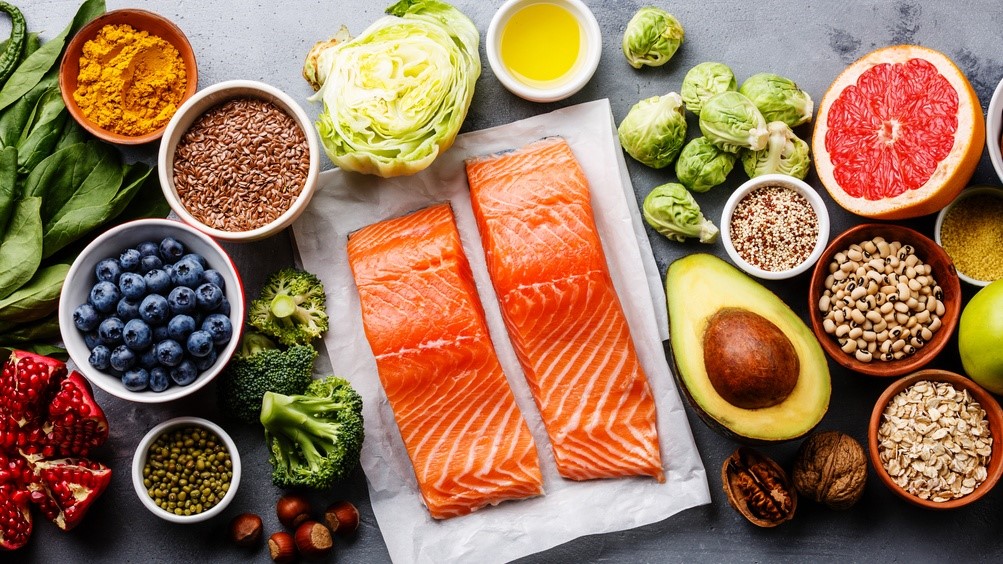
Ernährung und Diät
Was ist die TLC-Diät und kann sie Ihre Herzgesundheit verbessern?
Wenn Ihre Cholesterinwerte höher sind als sie sein sollten, besteht möglicherweise ein erhöhtes Risiko für Herzkrankheiten. Es gibt jedoch Maßnahmen, die Sie ergreifen können, um Ihren Cholesterinspiegel zu senken und Ihre Gesundheit zu schützen. Eine Möglichkeit ist die Einhaltung der TLC-Diät – oder Therapeutische Lebensstiländerungen – um Ihren Cholesterinspiegel zu senken. Aber was können Sie bei diesem Plan essen, und kann er Ihr Herz gesünder machen?
von Victoria Raw

Herzgesundheit und Blutgefäße
Wie gesund ist Ihr Herz?
Obwohl Ihr Herz so alt ist wie Sie, hat es ein eigenes Alter, das ein Zeichen dafür ist, wie gesund Sie sind. Hier zeigen wir einen Rechner, der Ihr tatsächliches Alter mit dem Alter Ihres Herzens vergleicht, und wir zeigen, wie Sie durch eine Verbesserung Ihres Lebensstils das Risiko eines Herzinfarkts verringern können.
von Lawrence Higgins
Über den AutorVollständige Biografie anzeigen

Amberley Davis
Senior-Autorin
BA (Hons), CPD
Amberley ist eine leitende Autorin bei Patient und hat umfangreich über eine Vielzahl von Gesundheits- und Wohlfühlthemen geschrieben.
Über den RezensentenVollständige Biografie anzeigen

Dr Colin Tidy, MRCGP
Allgemeinmediziner, Medizinischer Autor
MBBS, MRCGP, MRCP (Paediatrics), DCH
Dr. Colin Tidy ist ein NHS-Arzt mit Sitz in Oxfordshire.
Artikelverlauf
Die Informationen auf dieser Seite werden von qualifizierten Klinikern begutachtet.
Artikel auch verfügbar in Englisch, Deutsch, Spanisch, Französisch, Italienisch, Portugiesisch, Hindi, Hebräisch, Arabisch, und Schwedisch.
Nächste Überprüfung fällig: 15. Feb. 2029
15. Feb. 2026 | Neueste Version
29 Jun 2024 | Ursprünglich veröffentlicht
Verfasst von:
Amberley Davis

Fragen, teilen, verbinden.
Durchsuchen Sie Diskussionen, stellen Sie Fragen und teilen Sie Erfahrungen zu Hunderten von Gesundheitsthemen.

Fühlen Sie sich unwohl?
Bewerten Sie Ihre Symptome online kostenlos
Abonnieren Sie den Patienten-Newsletter
Ihre wöchentliche Dosis klarer, vertrauenswürdiger Gesundheitsberatung - geschrieben, um Ihnen zu helfen, sich informiert, selbstbewusst und in Kontrolle zu fühlen.
Durch das Abonnieren akzeptieren Sie unsere Datenschutzrichtlinie. Sie können sich jederzeit abmelden. Wir verkaufen Ihre Daten niemals.
Mehr über Herzgesundheit und Blutgefäße
- Eine vegane Ernährung verbessert die Herzgesundheit, laut einer Studie an eineiigen Zwillingen
- Habe ich einen Herzinfarkt?
- Steigen die Blutdruckwerte im Vereinigten Königreich?
- Künstliche Intelligenz könnte unregelmäßige Herzschläge erkennen
- Kann Rotschimmelreis Ihren Cholesterinspiegel senken?
- Kann man den Cholesterinspiegel nur durch die Ernährung senken?
- Haben leichte Biere gesundheitliche Vorteile?
- Haben uns Fernsehköche einen hohen Cholesterinspiegel beschert?
- Wie die Ernährung Ihr Risiko für Schlaganfall und Herzinfarkt senken kann
- Wie wirkt sich ein Schlaganfall auf Ihr Sexualleben aus?
- Wie man den Blutdruck senkt
- Bringt Ihr Job Ihre Gesundheit in Gefahr?
- Absetzen von Statinen nach 75 erhöht das Herzinfarktrisiko
- Die Bedeutung des Erlernens von CPR
- Die Vor- und Nachteile von Statinen
- Die Warnzeichen eines Herzinfarkts bei Frauen
- Was macht ein Arzt, wenn er einen Herzinfarkt hat?
- Was macht Rauchen mit Ihrem Herzen?
- Was ist der Zusammenhang zwischen Schlaganfall-Erholung und Darmgesundheit?
- Wenn die Hitze steigt, steigen auch die Herzrisiken: Was Sie wissen müssen