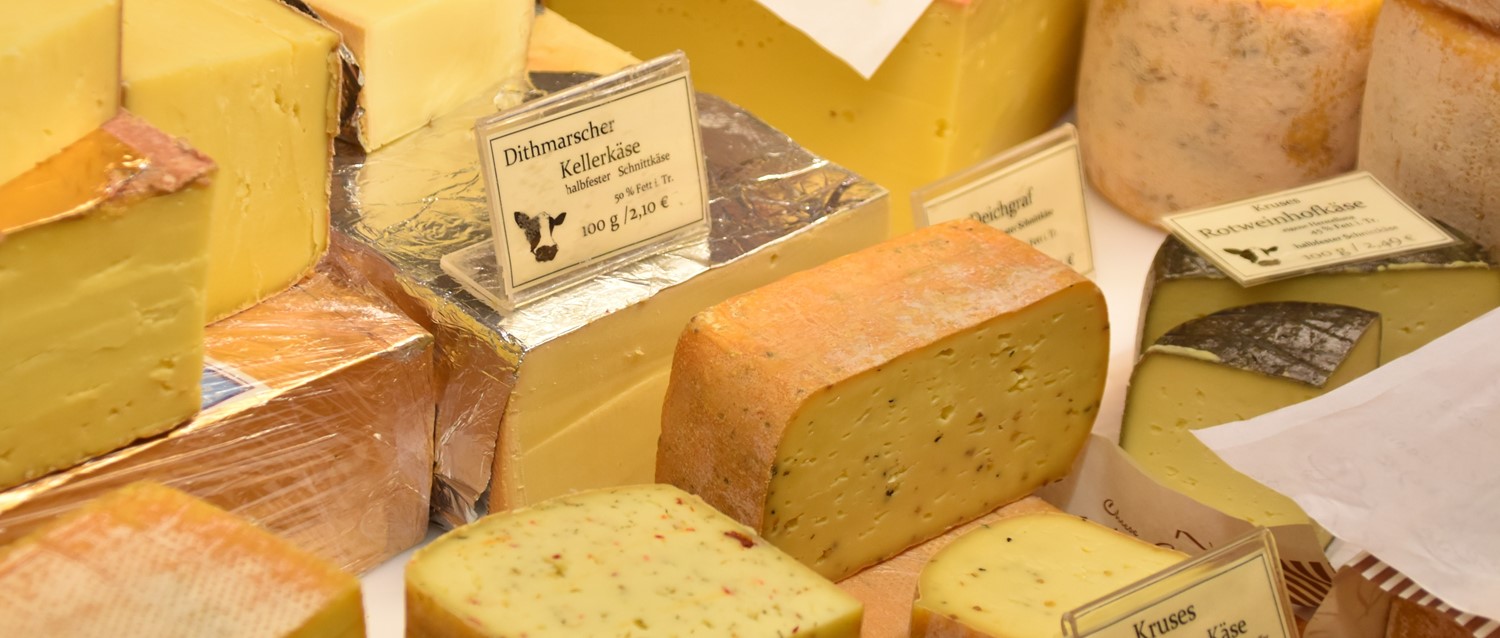
Cheese could protect blood vessels from damage caused by high-salt diet
Peer reviewed by Natalie HealeyAuthored by Ashwin BhandariOriginally published 19 Sept 2019
Meets Patient’s editorial guidelines
- DownloadDownload
- Share
- Language
- Discussion
- Audio Version
- Add to preferred sources on Google
US researchers found cheese can help protect blood vessels against damage done by sodium, according to new findings.
Cheese lovers have reason to get excited, as antioxidants naturally found in dairy may help protect blood vessels from damage caused by high levels of salt in the diet.
Scientists from Pennsylvania State University found that when adults consumed a high-sodium diet, they experienced blood vessel dysfunction. But, when the same people consumed four servings of cheese a day alongside the same high-sodium diet, they did not experience this effect.
Eleven adults with no history of sodium-related blood problems were gathered together. Each participant stuck to four different diets for eight days at a time: a low-sodium, no-dairy diet; a low-sodium, high-cheese diet; a high-sodium, no-dairy diet; and a high-sodium, high-cheese diet.
During low-sodium diets, participants were consuming 1,500 mg of salt per day, while high-sodium diets constituted 5,500 mg of salt per day. After each week-long diet, participants visited the researchers for blood vessel function testing, blood pressure monitoring, and urine sample collections.
To measure blood vessel function, researchers used a drug called acetylcholine that signals for blood vessels to relax. Healthy blood vessels should have no problem responding to the drug and relaxing, while vessels damaged by excess sodium would have a harder time relaxing.
The researchers found that after a week on the high-sodium, no-cheese diet, the participants' blood vessels did not respond as well to the acetylcholine - which is specific to specialised cells in the blood vessel - and had a more difficult time relaxing. However, this was not seen after the high-sodium, high-cheese diet.
Billie Alba, who led the study while finishing her doctoral degree at Penn State, said the findings may help people minimise the risks that come with eating too much salt.
"While there's a big push to reduce dietary sodium, for a lot of people it's difficult," Alba said. "Possibly being able to incorporate more dairy products, like cheese, could be an alternative strategy to reduce cardiovascular risk and improve vessel health without necessarily reducing total sodium."
Alba said that whilst the researchers cannot be sure that the effects are caused by any one specific nutrient in cheese, the data suggest that antioxidants in cheese may be a contributing factor.
"While the participants were on the high-sodium diet without any cheese, we saw their blood vessel function dip to what you would typically see in someone with pretty advanced cardiovascular risk factors," says fellow researcher and kinesiology professor Lacy Alexander. "But when they consumed the same amount of salt and ate cheese as a source of that salt, those effects were completely avoided."
Alba said that more research needs to be done to show these effects in larger studies, as well as possible mechanisms by which dairy foods may preserve vascular health. It's also worth pointing out that this research was funded by the National Dairy Council.
The British Heart Foundation recommends that whilst dairy is a good source of calcium, switching to low-fat cheese and moderating the amount that you consume can reduce the risk of high cholesterol.
"Saturated fats can raise the amount of cholesterol in your blood, especially the harmful LDL cholesterol which increases the risk of fatty deposits developing in your arteries."
Patient picks for Blood vessels

Heart health and blood vessels
How to deal with Raynaud's in the winter months
Raynaud's phenomenon is a common condition in which the blood vessels in the extremities - your fingers, toes, ears, or nose - overreact to cold or stress. During winter, how can people with Raynaud's manage their condition?
by Lynn Stephen
Heart health and blood vessels
8 simple steps to boost your circulation
Good circulation is vital for your overall health and wellbeing. From staying active to making smarter dietary choices, learn how to boost your circulation naturally with these simple lifestyle tips.
by Victoria Raw
About the authorView full bio
Authored by

Ashwin Bhandari
Medical Writer
BA Journalism
About the reviewerView full bio

Natalie Healey
Freelance journalist
BSc (Hons) Biomedical Science
She is a London-based health journalist who has been writing about science and medicine for several years. She is the former head of editorial at Patient.
Article history
Article also available in English, German, Spanish, French, Italian, Portuguese, Hindi, Hebrew, Arabic, and Swedish.
19 Sept 2019 | Originally published
Authored by:
Ashwin BhandariPeer reviewed by
Natalie Healey
Join the conversation
Share your thoughts or experiences with others in our patient communities.

Ask, share, connect.
Browse discussions, ask questions, and share experiences across hundreds of health topics.

Feeling unwell?
Assess your symptoms online for free
Sign up to the Patient newsletter
Your weekly dose of clear, trustworthy health advice - written to help you feel informed, confident and in control.
By subscribing you accept our Privacy Policy. You can unsubscribe at any time. We never sell your data.