
The experiences of a vasectomised vasectomy surgeon
Peer reviewed by Dr Laurence KnottAuthored by Dr Laurence KnottOriginally published 26 Sept 2017
Meets Patient’s editorial guidelines
- DownloadDownload
- Share
- Language
- Discussion
- Audio Version
- Add to preferred sources on Google
I can’t remember exactly how I got involved doing vasectomies. The outgoing senior partner used to do them at the practice I joined as a GP and I think as the new boy I was just expected to take over. I was packed off to the local vasectomy clinic to be trained.
Earning my scissors
Somewhat apprehensive at first, I was pleased to discover it wasn’t exactly rocket science or even brain surgery. The most important bit, I worked out, was to anaesthetise the skin effectively, so that the first incision was not painful. If the patient felt that first cut, they would be tense and fidgety for the rest of the procedure.
Locating a tube slightly smaller than a drinking straw is not exactly easy, but if the target is springing up and down like a bouncy castle it can be considerably more challenging.
The tube subject to all the attention is called the 'vas deferens'. I remember this because there is a vas deferens between a man and a woman (sorry).
Having identified it and shoved some local anaesthetic into it, the other trick is to make sure you don’t let go of it until it is cut. Once you have your fingers wrapped round that tube, it’s amazing how many distractions can sail into view: itchy ears, sneezing behind the mask and on one memorable occasion, theatre trousers that gradually descended below my nether regions.
Short back and sides
Basically the procedure involves cutting the tube, stitching the ends, repeating the procedure on the other side, and then stitching up the skin. There are all sorts of variations, but I’m not going to go into too much detail about the nuts and bolts. These can be found elsewhere.
I soon learned that the actual surgery was the easy bit. What was more difficult was wending my way through the mire of consent, working out who wanted a vasectomy. who had been forced to ask for a vasectomy, whether there was a legal obligation to get the wife’s consent and what was really going on in the guy’s head when he came requesting ‘the snip’.
Remember, this was the 1970s. The idea that a person’s body was their own and could within reason do what they wanted with it (provided they had capacity to make such a decision) was still in its infancy.
Also, most straight people who lived together were married. Although we had just come out of the swinging Sixties, it was still a very conventional society in the UK. There was this niggling worry that if you went ahead with the procedure without the partner’s consent you could be sued. Literally, an old wives’ tale and uncorroborated as it turned out. But enough to prevent all but the most foolhardy vasectomist from performing the op without the wife’s moniker on the consent form.
I’ve seen fire and I’ve seen rain, but I’ve never seen so much anguish as when a man and a woman have a ding dong about a vasectomy. Sometimes it was the man who had to be literally dragged by the short and curlies into my consulting room; sometimes it was the woman who was just in love with being pregnant and wanted baby after baby.
Fast forward to today
Fortunately, these days we take a much more laid-back view and vasectomy surgeons happily chop away at any man who can give their own informed consent.
However, encouragement should be made to involve a partner if there is one. Although reversal is possible, it’s by no means guaranteed, and the procedure is best looked on as an irreversible cessation of fertility.
This means the scenarios we normally avoid thinking about need to be confronted, such as the death of a child, the death of a spouse or the break-up of a relationship. There’s also the complications, which although infrequent are not insignificant.
Taking my own medicine
For my own part, it seemed like a good idea at the time. It still does. My wife had already gone through enough with childbirth and contraception (not to mention conception), and I felt beholden to ‘sort things out’ once and for all.
Having been an anaesthetist in my youth I ran a little sideline gassing for surgeons at a private clinic. So at the end of the list, I just hopped on the table and let the surgeon do his work. In case you’re wondering, yes, I did consider doing it myself, but I couldn’t trust my feet to hold the mirror still.
I drove myself home and luckily, the local anaesthetic kept working until I reached my destination.
Things were recovering well until the doorbell rang. I was just in time to see a lorry disappearing down the road, having unceremoniously dumped the order I’d been waiting for for weeks on the pavement.
One tip is that if you’re going to have a vasectomy, don’t schedule any major lifting until you've had a day or so off your feet.
Patient picks for Surgery and procedures

Treatment and medication
Labiaplasties – what are they and are they ever medically necessary?
Labiaplasty - cosmetic surgery to alter the appearance of women's genitals - has been on the rise over the past decade, and is the subject of controversy. We ask the experts some important questions about the procedure.
by Sally Turner
Treatment and medication
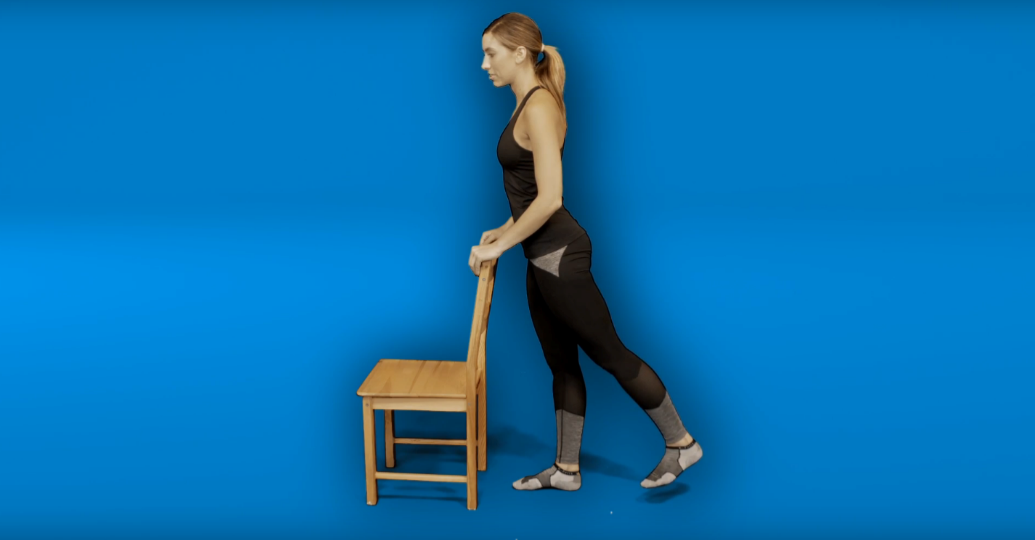
Video: Hip replacement recovery exercises
There are different types of hip replacement surgery depending on the injury, the severity of the injury and the surgeon performing the procedure. This leaflet is to be used only a guideline once you have discussed and confirmed with your surgeon and medical team that the exercises below are appropriate for you following your surgery.
by Lilly Sabri, MHPC
About the authorView full bio

Dr Laurence Knott
General Practitioner, Medical Author
BSc (Hons) Biochemistry, MBBS
Dr Laurence Knott qualified in 1973 and has had extensive experience as a General Practitioner.
About the reviewerView full bio
Dr Laurence Knott
General Practitioner, Medical Author
BSc (Hons) Biochemistry, MBBS
Dr Laurence Knott qualified in 1973 and has had extensive experience as a General Practitioner.
Article history
Article also available in English, German, Spanish, French, Italian, Portuguese, Hindi, Hebrew, Arabic, and Swedish.
26 Sept 2017 | Originally published
Authored by:
Dr Laurence KnottPeer reviewed by
Dr Laurence Knott
Join the conversation
Share your thoughts or experiences with others in our patient communities.

Ask, share, connect.
Browse discussions, ask questions, and share experiences across hundreds of health topics.

Feeling unwell?
Assess your symptoms online for free
Sign up to the Patient newsletter
Your weekly dose of clear, trustworthy health advice - written to help you feel informed, confident and in control.
By subscribing you accept our Privacy Policy. You can unsubscribe at any time. We never sell your data.
More in treatment and medication
- Book a Pharmacy First online consultation
- Can a pharmacist prescribe antibiotics?
- Does herbal medicine really work?
- Does hypnotherapy work for anxiety?
- Empowering the next generation: St John Ambulance and the Young Responders campaign
- How does Mounjaro work for weight loss?
- How does Wegovy work for weight loss?
- How to cope with a terminal illness at Christmas
- How to stop taking Mounjaro or switch to an alternative
- One in four adults prescribed addictive medications
- Steroid side effects you should know about
- The importance of learning CPR: Emma tells her story
- Wegovy pill: how does the new weight-loss tablet work?
- What happens when you stop taking weight loss injections?
- What is #MedSafetyWeek and MHRA Yellow Card scheme?
- What not to say to someone who is dying
- What to expect from your pharmacy consultation
- What you need to know about stopping medication
- Who is eligible for weight loss injections?
- Why do so many of us struggle with meditation?