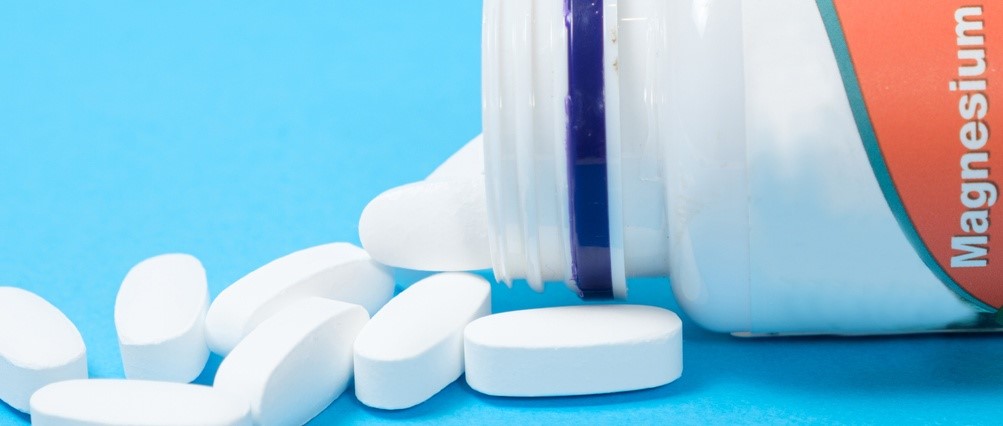
Kann Magnesium bei Angstzuständen helfen?
Begutachtet von Dr Krishna Vakharia, MRCGPZuletzt aktualisiert von Lydia SmithZuletzt aktualisiert 12 Dec 2023
Erfüllt die redaktionelle Richtlinien
- HerunterladenHerunterladen
- Teilen
- Language
- Diskussion
- Audio-Version
- Zu bevorzugten Quellen bei Google hinzufügen
TikTok ist voller Behauptungen über die gesundheitlichen Vorteile von Magnesium, einschließlich der Behauptung, dass es bei der Linderung von Angstzuständen helfen kann - etwas, womit viele von uns zu kämpfen haben, besonders rund um Weihnachten. Da Angstzustände so verbreitet sind, ist es verständlich, dass Menschen auf verschiedene Methoden zurückgreifen, um damit umzugehen. Aber sind die Behauptungen, die in den sozialen Medien gemacht werden, wissenschaftlich fundiert?
Unterstützung bei psychischen Problemen für Erwachsene und Kinder
Online-CBT und psychologische Therapie für Erwachsene und Kinder im Alter von 8 bis 17 Jahren. Die akkreditierten Fachkräfte von Onebright unterstützen Menschen mit Angstzuständen, Depressionen und anderen emotionalen Herausforderungen.
Does magnesium help reduce anxiety?
Magnesium is an essential mineral found in the body. It plays an important role in helping parts of the body run smoothly, including the heart, bones, muscles and nerves.
It also supports the neurological mechanisms that, when not working properly, may contribute to the development of mental health issues like depression and anxiety1. For example, magnesium helps to regulate neurotransmitters, which sends messages throughout the brain and body.
Magnesium may also be beneficial because it affects the levels of cortisol, a stress hormone, in the body. Lowering cortisol may help to relieve stress and anxiety2.
Some studies have found a link between magnesium and anxiety, but the research is mixed. A systematic review of 32 studies found that people with depression and other psychiatric conditions, like Angstzustände und obsessive compulsive disorder, were more likely to have lower magnesium levels3. It also found that magnesium had some benefits on mild depression and anxiety, but not generalisierte Angststörung or panic disorder.
A separate review of research papers found that magnesium supplementation - for example, taking magnesium in the form of capsules - appeared to ease symptoms of mild anxiety and anxiety linked to prämenstruelles Syndrom4. According to the researchers, this may be because magnesium helps to improve brain function. However, they also highlighted that many of the studies they looked at were of poor quality - including being based on unreliable self-reporting - so better research involving controlled trials is needed.
Psychiatrist Gregory Scott Brown, an affiliate faculty member at the University of Texas Dell Medical School and author of The Self-Healing Mind, says that while there is some research looking into the relationship between magnesium and mental health, it hasn't proven anything. And as always, caution should be used when it comes to health advice on TikTok.
We need to be careful about getting medical advice from social media platforms, including TikTok because there's a lot of misinformation on these sites and the science isn't always accurately reflected," he says.
"It helps when the person on social media discussing a new medication or supplement has experience working with patients, is a qualified health professional, and has expertise in the field," he adds. "However, even in these cases, sometimes inaccurate information can spread broadly. Always discuss medications or supplements with your doctor when you can."
Can magnesium help improve sleep?
Research has found a connection between magnesium supplementation and sleep quality, but like the anxiety research, the studies don't show a cause-and-effect relationship. In other words, there may be a link, but it doesn't mean that taking magnesium will give you a better night's sleep.
One review found that magnesium may help people fall asleep slightly quicker, but didn't find that people slept any longer than normal5. Another study of 4,000 people found that taking magnesium led to a borderline improvement in sleep quality, but not in people with depression6.
What types of magnesium are available?
Magnesium is available in a variety of different types, some of which are more easily absorbed by the body than others.
Magnesium citrate
This type of magnesium, which is commonly found in supplements, is bound with citric acid. It is easily absorbed by the body via the digestive tract and is sometimes used to treat Verstopfung because it has a laxative effect.
Magnesium glycinate
Magnesium glycinate is formed by combining magnesium with the amino acid glycine. Research suggests that glycine may help improve sleep7.
Magnesium malate
This type combines magnesium with malic acid, which is found in fruits like rhubarb. Studies suggest it is more easily absorbed by the body than other supplements8.
Magnesium taurate
This type contains a combination of magnesium and taurine, an amino acid with anti-inflammatory properties.
Magnesium threonate
Magnesium threonate contains threonic acid, a compound that is produced from the breakdown of vitamin C.
What foods are high in magnesium?
Some good food sources of magnesium include: Almonds, avocados, bananas, breakfast cereals, brown rice, peanuts, leafy greens like spinach, beans, tuna and yoghurt.
How to treat anxiety
The two main treatments for anxiety are psychotherapy and medications. Some people may find the two work best in combination with each other, but it depends on the individual and their needs. If you are struggling with anxiety, you should speak to your doctor who can advise the best course of treatment for you.
Weiterführende Lektüre
Patientenauswahl für Angstzustände

Psychische Gesundheit
Kann Angst Krebs verursachen?
A 2016 study of 16,000 UK men and women over 40 found that men suffering from severe anxiety were more than twice as likely to die from cancer as those who didn’t. Research subjects were tracked for 15 years, and their anxiety levels correlated with the likelihood of them developing cancer. Interestingly, no similar connection was found in women.
von Dr. Sarah Jarvis
Psychische Gesundheit
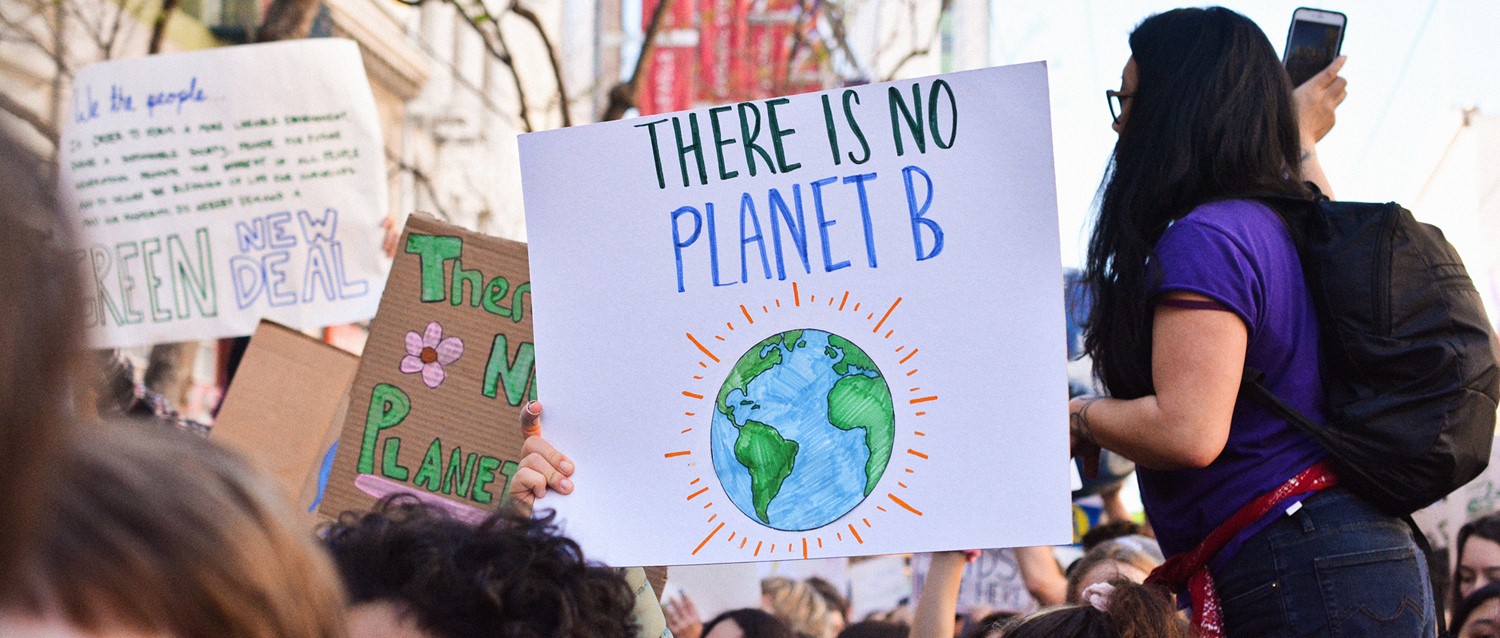
Wie man mit der Angst vor dem Klimawandel umgeht
Kampagnen von Wohltätigkeitsorganisationen, weltweite Proteste und Forschungen zu den Auswirkungen menschlicher Aktivitäten fesseln die Medien und lenken die Aufmerksamkeit auf die Klimakrise. Aber wenn es Sie ängstlich macht, sind Sie nicht allein.
von Milly Evans
Über den AutorVollständige Biografie anzeigen
Aktualisiert von

Lydia Smith
Feature-Autorin
BA, MA, MSc
Lydia Smith ist eine preisgekrönte Journalistin und Feature-Autorin, die umfangreich über Frauengesundheit und psychische Gesundheit geschrieben hat. Derzeit studiert sie für einen MSc in Psychologie.
Verfasst von
Lydia Smith
Feature-Autorin
BA, MA, MSc
Lydia Smith ist eine preisgekrönte Journalistin und Feature-Autorin, die umfangreich über Frauengesundheit und psychische Gesundheit geschrieben hat. Derzeit studiert sie für einen MSc in Psychologie.
Über den RezensentenVollständige Biografie anzeigen

Dr Krishna Vakharia, MRCGP
Chief Medical Officer für Gesundheit, Optum UK
MBChB, MRCGP(2013), BMedSci (hons), DFSRH, DRCOG, PGDipDerm (Distn)
Dr. Krishna Vakharia ist eine NHS-Hausärztin. Sie ist auch regelmäßige Prüferin für das postgraduale Diplom in Praktischer Dermatologie an der Cardiff University und zudem Chief Medical Officer für Gesundheit bei Optum UK.
Artikelverlauf
Artikel auch verfügbar in Englisch, Deutsch, Spanisch, Französisch, Italienisch, Portugiesisch, Hindi, Hebräisch, Arabisch, und Schwedisch.
12 Dec 2023 | Neueste Version
25. Sept 2023 | Ursprünglich veröffentlicht
Verfasst von:
Lydia Smith
Nehmen Sie an der Diskussion teil
Teilen Sie Ihre Gedanken oder Erfahrungen mit anderen in unserem Patientengemeinschaften.

Fragen, teilen, verbinden.
Durchsuchen Sie Diskussionen, stellen Sie Fragen und teilen Sie Erfahrungen zu Hunderten von Gesundheitsthemen.

Fühlen Sie sich unwohl?
Bewerten Sie Ihre Symptome online kostenlos
Abonnieren Sie den Patienten-Newsletter
Ihre wöchentliche Dosis klarer, vertrauenswürdiger Gesundheitsberatung - geschrieben, um Ihnen zu helfen, sich informiert, selbstbewusst und in Kontrolle zu fühlen.
Durch das Abonnieren akzeptieren Sie unsere Datenschutzrichtlinie. Sie können sich jederzeit abmelden. Wir verkaufen Ihre Daten niemals.