How to get over your fear of the dentist
Peer reviewed by Dr Sarah JarvisAuthored by Gemma GrangeOriginally published 4 Jan 2019
Meets Patient’s editorial guidelines
- DownloadDownload
- Share
- Language
- Discussion
- Audio Version
- Add to preferred sources on Google
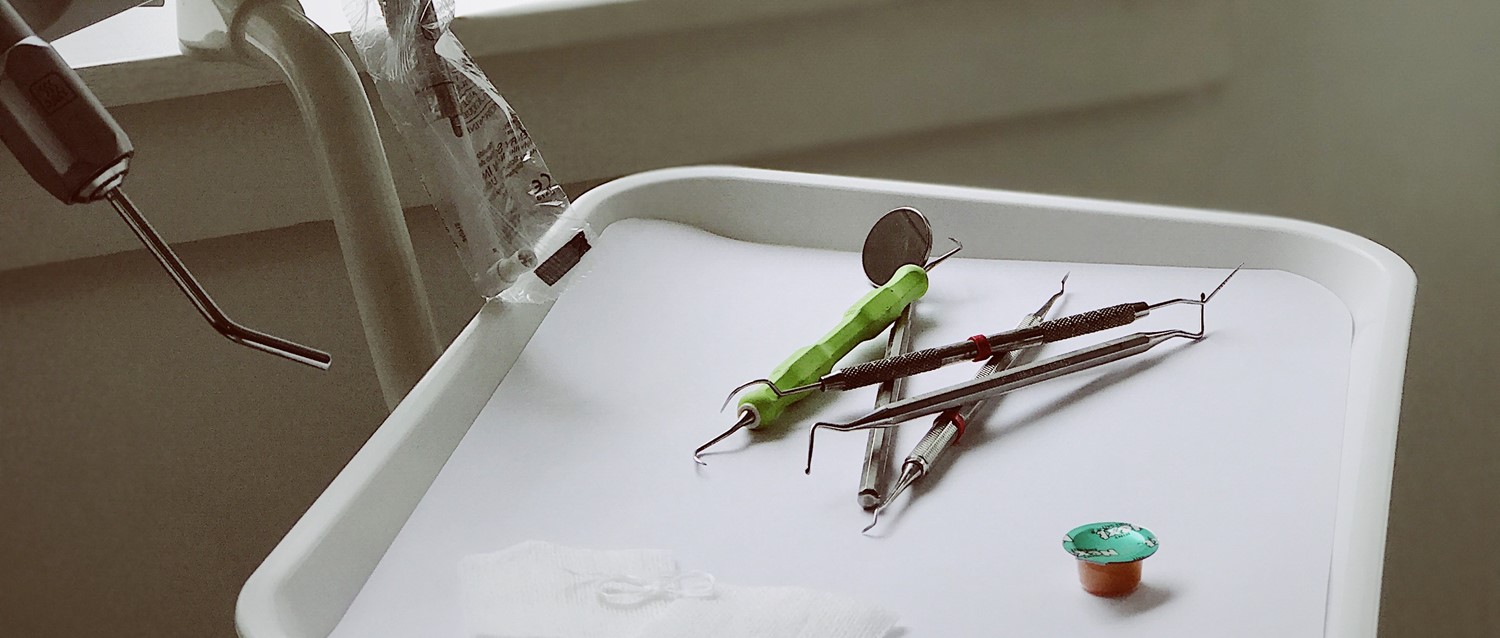
If you're anything like me then going to the dentist is the thing you fear most in the world. Even so much as trying to phone for an appointment can leave you dry-mouthed and weak at the knees. But what exactly is it about the dentist that can trigger such fear? And how can you overcome it? We ask a dentist for his tips.
Mental health support for adults and children
Online CBT and psychological therapy for adults and children aged 8–17. Onebright’s accredited clinicians support people experiencing anxiety, depression and other emotional challenges.
Opening up
I've always felt like I was a bit odd for being so afraid of the dentist, but Harley Street dentist Dr Richard Marques tells me that it's incredibly common.
"Statistics from the Oral Health Foundation in 2017 showed that almost half of adults in the UK have some form of dental phobia or anxiety," he reveals.
This begs the question: Why is it such a common fear?
"For many people, it's the anticipation of not knowing what might happen," says Marques. "They may have bad memories from previous visits or suspect that they will need a serious or costly procedure."
It's hard not to let these thoughts play on your mind, especially if you've booked an appointment quite far in advance. Many things can also trigger these painful memories, such as certain smells or sounds that resemble the equipment. These triggers can make you want to give up on the appointment altogether. This can then become a vicious cycle that's hard to break.
The important thing to remember is that you're not alone, and there's a lot that can be done to help combat these fears.
Brace yourself
You may not want to hear it but avoiding the dentist altogether is really not an option. Not going for regular check-ups can lead to serious oral and dental problems, ultimately ending up as overall health issues.
Marques says: "Poor oral health has been linked to many serious health conditions, including type 2 diabetes, heart disease and even dementia. Gum disease, for example, is a bacterial infection that has access to the whole body through the bloodstream."
Reading this may seem counter-intuitive to someone with a phobia, but it's important to realise what the consequences are if you don't take care of your oral health. Brushing and flossing are good in their own right but being looked over regularly by a professional, even if there's nothing wrong, will do you no end of good in the long run. Think about it this way, would you rather deal with a routine check-up that makes you a little anxious, or a serious illness with lifetime implications? I know which one I'd prefer.
A reason to smile
It's not all doom and gloom, however. There's no greater feeling than embracing your fears and overcoming them, especially when the benefits can last a lifetime.
Your dentist is not there to cause you upset and discomfort (although it may seem like it at times) and simply communicating with them about your worries could really put your mind at ease.
Here are a few tips from Marques that may help to ease your dental fear:
Find the right dentist for you
"With dental fear being such a large issue there are many dentists who actually specialise in treating fearful patients," says Marques.
Simply explain your situation when you call to book an appointment and you will be placed with someone equipped to deal with your situation.
"Dentists are there to help, trust me," he adds.
Timing is key
Schedule permitting, try booking your appointment first thing in the morning so that you don't have to spend all day worrying about it. If you do end up with a later appointment, however, then practising relaxation techniques, such as mindfulness, or keeping yourself distracted throughout the day, can help.
Communicate
Yes, you will have someone else's hands in your mouth but it doesn't mean you can't communicate.
Explain your concerns at the outset, and let them know you'll raise your hand if you want them to stop. Throughout your appointment, tell your dentist how you are feeling, and let them know if something hurts or if you're worried about what they are doing/using. You'll most likely find that any dentist is happy to talk you through their process if it makes you more comfortable.
Make comfort a priority
Even something as simple as wearing loose clothing or making sure you can breathe easily out of your nose can make appointments easier. If you'd rather be in an upright chair than a recliner, then it's perfectly okay to communicate this.
Going under
For a more long-term plan, it may be worth looking into a variety of different treatments and therapies if you feel that your phobia is preventing you from living your life.
"Hypnotherapy may help some people with extreme cases of dental phobia overcome their anxieties," suggests Marques.
But before you consider private treatments, it's worth talking to your GP who may be able to refer you to mental health services such as cognitive behavioural therapy (CBT) for tackling phobias.
TLC
At the end of the day, good oral hygiene starts at home. Look after your teeth by brushing and flossing twice a day. You'll find yourself needing to go to the dentist less frequently and it will make check-ups a lot easier for both you, and your dentist.
Patient picks for Dental care
Oral and dental care
Warning signs you need to go to the dentist
If you experience a twinge in a tooth, dislodge a filling or notice a little blood when brushing, it might be time to make a dental appointment. But is it possible to distinguish between everyday aches and pains and something that needs treatment? And when is it time to request an emergency appointment?
by Gillian Harvey

Oral and dental care
What is a prosecco smile? tips to protect your teeth this Christmas
A glass of bubbling prosecco may add sparkle to your celebrations, but it doesn't always do the same for your teeth. While sipping this festive favourite brings a touch of glamour to Christmas parties, it can have a less-than-dazzling effect on your smile.
by Victoria Raw
About the authorView full bio
Authored by

Gemma Grange
BA (Hons), MA
Gemma joined Patient in 2017 as their Content Producer and now works for blood cancer charity Anthony Nolan.
About the reviewerView full bio

Dr Sarah Jarvis
Clinical Consultant
MA (Cantab), BM, BCh (Oxon), DRCOG, FRCGP, MBE
After training in medicine at Cambridge and Oxford, Dr Sarah Jarvis MBE became a GP.
Article history
Article also available in English, German, Spanish, French, Italian, Portuguese, Hindi, Hebrew, Arabic, and Swedish.
4 Jan 2019 | Originally published
Authored by:
Gemma GrangePeer reviewed by
Dr Sarah Jarvis
Join the conversation
Share your thoughts or experiences with others in our patient communities.

Ask, share, connect.
Browse discussions, ask questions, and share experiences across hundreds of health topics.

Feeling unwell?
Assess your symptoms online for free
Sign up to the Patient newsletter
Your weekly dose of clear, trustworthy health advice - written to help you feel informed, confident and in control.
By subscribing you accept our Privacy Policy. You can unsubscribe at any time. We never sell your data.