Which foods can reduce your stress and anxiety?
Peer reviewed by Dr Colin Tidy, MRCGPLast updated by Lynn StephenLast updated 17 Nov 2025
Meets Patient’s editorial guidelines
- DownloadDownload
- Share
- Language
- Discussion
- Audio Version
- Add to preferred sources on Google
Anxiety can be complex and hard to navigate, but by making small swaps to what you eat, you could see big improvements in your mental wellbeing. With the help of a food scientist and nutrition coach, we unpack the best foods for anxiety to help put you back in control.
Mental health support for adults and children
Online CBT and psychological therapy for adults and children aged 8–17. Onebright’s accredited clinicians support people experiencing anxiety, depression and other emotional challenges.
Foods that reduce stress
According to a Mental Health Awareness Week 2023 survey, around 7 out of 10 adults had felt anxious within the previous two weeks, and for 6 out of 10, this anxiety had interfered with their daily lives.
The rise of this mental health issue seems to suggest that the stresses of modern life is a key driver, although many factors are often at play. But what we eat is one lifestyle factor we can control - and relatively quickly.
With the help of Nurit Raich, food scientist and holistic nutrition coach, we look at the nutrients that are thought to help ease anxiety and stress.
Magnesium-rich foods
Magnesium is an important mineral for your heart, bones, nerves, and muscles. Because it also supports neurological functions in the brain, it's thought that not having enough may trigger mental health issues such as anxiety and depression.
"If you're looking for foods that reduce stress, there have been studies linking magnesium deficiency with anxiety," says Raich.
Not having enough magnesium may increase your cortisol levels, the stress hormone linked to stress and anxiety. However, research is ongoing, and there have been mixed results. While one review found magnesium could help with mild anxiety, it was not effective for people with generalised anxiety disorder or panic disorder1.
Raich recommends:
Leafy greens - for example, spinach and Swiss chard.
Legumes - including beans and lentils.
Nuts and seeds.
Whole grains - such as oats and quinoa.
Zinc-rich foods
The food scientist says: "Zinc is another nutrient that has been linked to decreased anxiety."
We need zinc for cell and protein growth, tissue healing, and a healthy immune system. This important nutrient has been studied for its potential calming effect, and results are looking good.
In a review of nine studies, people with anxiety had lower levels of zinc, compared to people with no anxiety. It also found that consuming more zinc could reduce your chances of experiencing anxiety within limitations2.
Raich recommends:
Oysters.
Cashews.
Liver.
Beef.
Egg yolks.
Foods with vitamin C
Vitamin C is another key nutrient in foods which can help ease anxiety, according to Raich. This vitamin is a powerful antioxidant that protects against cell damage, and it's thought that this helps reduce anxiety by keeping chemicals in your brain and nerves healthy. Vitamin C also helps to fight infections and heal wounds, among other major jobs in the body.
People with lower-than-normal vitamin C levels are more likely to have stress-related illnesses such as anxiety and depression. Studies have also shown that when they consume more vitamin C their moods could improve.
Raich recommends:
Citrus fruits - for, example oranges and grapefruit.
Strawberries.
Broccoli.
Foods with omega-3
Omega-3 fatty acids are healthy, essential fats needed for things such as making cells and hormones. They can help protect you against heart disease, stroke, and cancer and help control existing conditions such as eczema and rheumatoid arthritis.
More recently, in a review of studies that included a combined 2,240 people, omega-3 fatty acids were found to treat clinical anxiety symptoms effectively3.
However, not all research supports these findings. Another larger review of more than 46,000 adults found limited evidence of the effect of omega-3 in people with existing anxiety4.
This said, omega-3 is a healthy addition to your diet, so there’s no harm in meeting the recommended daily requirements. The latter research concludes, "the review does not undermine the potential importance of foods rich in omega-3, such as oily fish, for a healthy diet for general health."
Raich recommends:
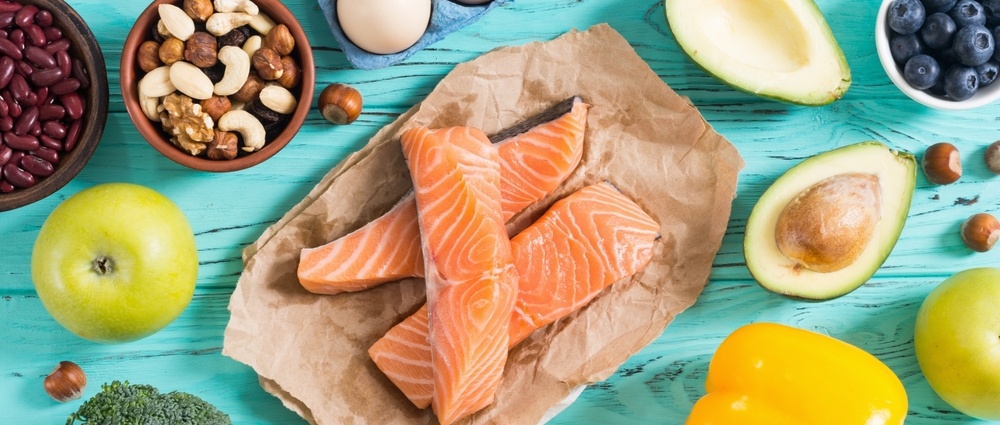
Fatty fish - for example, salmon and tuna.
Walnuts.
Chia seeds.
Flaxseeds.
Hemp seeds.
Fibre-rich foods
We need fibre for stable blood sugar and cholesterol levels, as well as good digestion.
Because fibre contributes to a healthy gut - which is increasingly linked to a healthy brain - it's now thought that fibre may contribute to good mental health. We know that fibre promotes good bacteria in the gut, and that having these bacteria may influence your mood and how susceptible you are to anxiety disorders.
While research needs to continue, early observational data suggests that high-fibre foods are a promising stress-relieving food group. However, there is no current evidence from trials to support supplementing fibre into your diet for relieving anxiety or depressive symptoms.
Raich recommends:
Crunchy vegetables - such as broccoli.
Beans.
Lentils.
Berries.
Almonds.
Pistachios.
Avocados.
Fermented foods
Raich says that there are some studies linking our gut microbiome - the balance of beneficial and harmful bacteria in the gut - to feeling good.
"This is why fermented foods, for example, kimchi, sauerkraut, yoghurt, and kefir can be great addition too," she explains.
When foods are fermented, bacteria and yeast break down carbs and turn them into acids or alcohol. This process has been used to preserve food for centuries, but we now know this also breeds good bacteria - called probiotics - to support a healthy gut.
The healthy gut-brain connection is one reason why it may help to eat fermented foods for anxiety. Another is that fermented foods are made from vegetables such as cabbage, onions, radish, and ginger. These are foods that reduce stress even before the fermentation process, because they supply a range of beneficial nutrients such as vitamin C, a range of other vitamins, and fibre.
Raich recommends:
Kimchi.
Sauerkraut.
Yoghurt.
Kefir.
A balanced and varied diet will gift you with all of these anxiety-reducing nutrients, while supporting your general health.
Raich shares one of her go-to prepared foods for anxiety:
"One of my favourite ways to incorporate a bunch of feel-good nutrients into one meal is to make a salad that contains spinach, avocado, lentils, almonds, salmon, and a yoghurt citrus vinaigrette - it's super delicious."
If you are taking medicine for your mental health, the National Institute for Health and Care Excellence (NICE) guidelines on generalised anxiety and social anxiety advise you to be aware of possible interactions of shop bought vitamins with any medicines. Furthermore, The Royal College of Psychiatrists (RCPsych) advises there is not enough evidence for omega-3 to be used as an alternative to medicine, and the British Dietetic Association (BDA) advises that omega-3 supplements are not needed in healthy people.
Further reading
Patient picks for Stress management
Heart health and blood vessels
Can stress cause heart attacks?
While stress alone doesn't directly cause heart attacks, long-term, unmanaged stress can raise your chance of having one. In this article, we explore effective ways to lower your likelihood of heart attack and offer practical tips for managing stress.
by Victoria Raw
Mental health
How to deal with stress through exercise
There’s strong evidence to suggest that staying active helps us cope with stress - and as the cost of living continues to rise, so does the prevalence of burnout. Exercise and other techniques can help deal with signs of stress while you get to the root of the problem.
by Lynn Stephen
About the authorView full bio

Amberley Davis
Senior writer
BA (Hons), CPD
Amberley is a senior writer with Patient and has written extensively on a range of health and wellbeing topics.
About the reviewerView full bio

Dr Colin Tidy, MRCGP
General Practitioner, Medical Author
MBBS, MRCGP, MRCP (Paediatrics), DCH
Dr Colin Tidy is an NHS Doctor, based in Oxfordshire.
Article history
Article also available in English, German, Spanish, French, Italian, Portuguese, Hindi, Hebrew, Arabic, and Swedish.
Next review due: 17 Nov 2028
17 Nov 2025 | Latest version
15 Apr 2024 | Originally published
Authored by:
Amberley Davis
Join the conversation
Share your thoughts or experiences with others in our patient communities.

Ask, share, connect.
Browse discussions, ask questions, and share experiences across hundreds of health topics.

Feeling unwell?
Assess your symptoms online for free
Sign up to the Patient newsletter
Your weekly dose of clear, trustworthy health advice - written to help you feel informed, confident and in control.
By subscribing you accept our Privacy Policy. You can unsubscribe at any time. We never sell your data.
More in mental health
- Can regular massages improve your mental health?
- Can watching horror films reduce stress?
- Could the energy crisis fuel a mental health emergency?
- Diabetes burnout - how mindfulness can support your mental wellbeing
- Gaynor Faye on Hot Flash, menopause - and why midlife women deserve to be seen
- How to combat winter depression and increase your serotonin
- How to cope with anxiety after cancer
- How to cope with the stress of being a new parent
- How to help your child with back-to-school anxiety
- Managing grief during your first Christmas without a loved one
- Managing PTSD during fireworks season
- Skin-picking and hair-pulling: managing body-focused repetitive behaviours
- What it's like to experience claustrophobia
- What it's like to experience psychosis
- What's the link between diabetes and eating disorders?
- Why is anorexia on the rise?
- Why our brains are hooked on bad news
- Why we should be making mental health New Year resolutions
- Winter wellness tips: how to cope with SAD
- Young-onset dementia - what you need to know