Jono Lancaster on identity, rare conditions and the courage to embrace yourself
Authored by Thomas Andrew Porteus, MBCSOriginally published 2 Dec 2025
Meets Patient’s editorial guidelines
- DownloadDownload
- Share
- Language
- Discussion
- Audio Version
- Add to preferred sources on Google
Jono Lancaster on identity, rare conditions and the courage to embrace yourself: a powerful Yorkshire Talks conversation
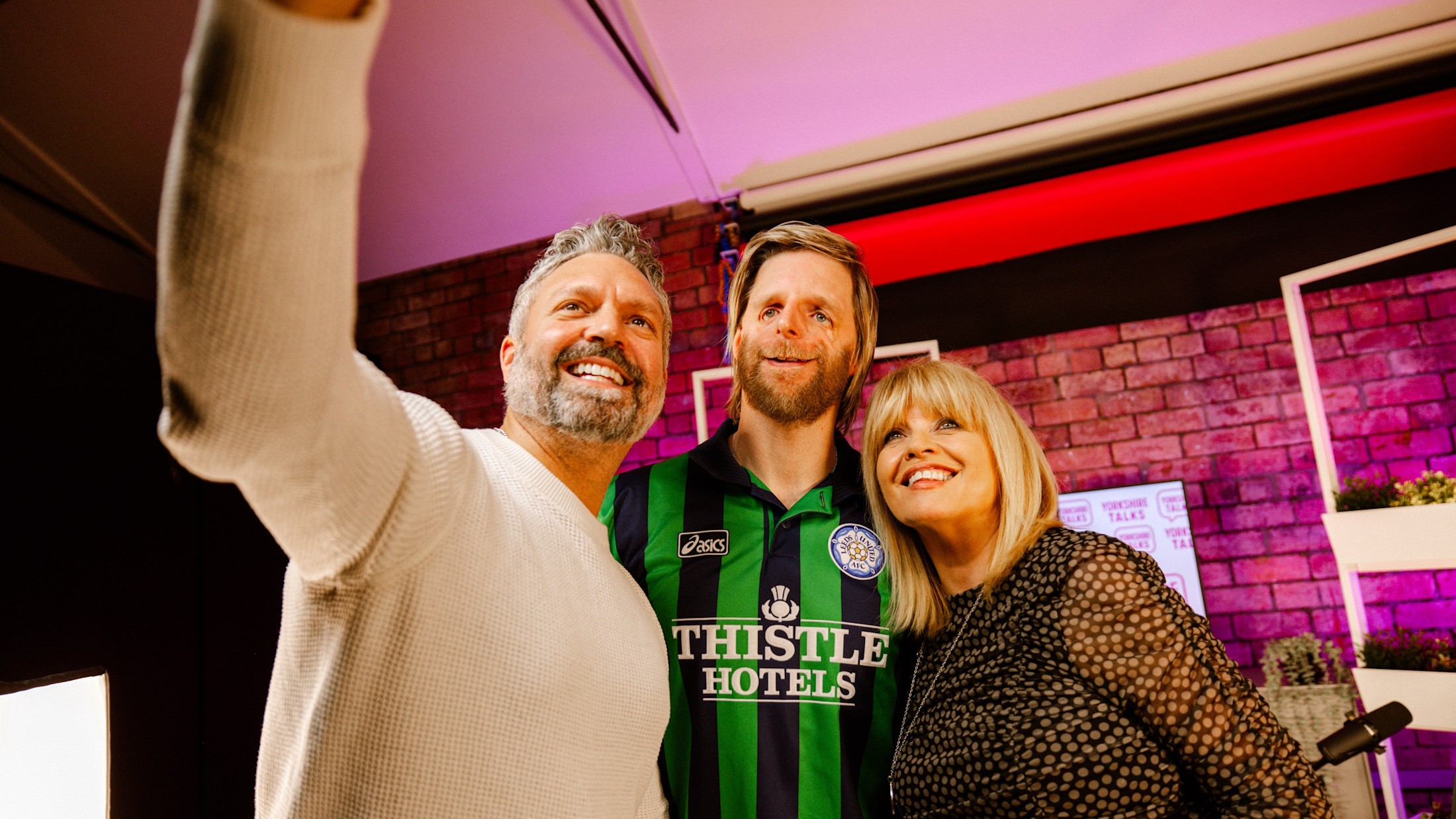
This episode of Yorkshire Talks is one of those moments. Before the cameras even begin rolling, it is clear that Jono Lancaster brings with him a presence shaped not by fame, but by lived experience, compassion and an extraordinary emotional clarity.
Jono’s story has reached millions across the world. Many know him from his uplifting memoir Not All Heroes Wear Capes or from his recent Channel 4 series Love My Face, where he stepped into the homes and the hearts of families navigating visible differences. But sitting with Matt Jameson and Christine Talbot, we meet Jono not as a presenter or an author, but as a man whose life has been shaped by early rejection, profound resilience and a lifelong commitment to helping others feel seen.
“I was fostered at two weeks old”: the beginning of a remarkable journey
From the outset, Jono speaks with striking honesty about being born with Treacher Collins Syndrome, a rare craniofacial condition affecting the development of facial bones. At just two weeks old, his biological parents made the decision that they could not cope a moment that could have defined Jono entirely, had he not been welcomed into a loving foster family who offered stability, warmth and a sense of belonging.
But even with love around him, growing up was anything but simple. Jono recounts the challenges of looking “different” in a world that can be unkind to anyone who does not fit its narrow expectations. He remembers the stares, the whispered comments, and the moments of loneliness that settled in long before he had the emotional language to name them. These reflections are tender, raw and painfully familiar to anyone who has experienced stigma, whether due to a rare condition, disability, appearance or identity.
The emotional impact of rare conditions - and why representation matters
Jono’s story highlights something often overlooked in discussions about rare conditions: the emotional and psychological weight they carry. While Treacher Collins Syndrome is primarily a craniofacial condition, its effects extend far beyond physical features. Jono describes:
the early development of shame and self-doubt, before he even understood why people reacted to him
the internal conflict of wanting to be invisible one moment and completely understood the next
the health consequences of chronic stress and social exclusion
the profound difference it makes when a child sees someone who looks like them thriving
His journey mirrors the experiences of many people living with rare or visible conditions and reinforces a truth that clinicians and researchers often note: representation, visibility and supportive relationships can profoundly improve mental health outcomes.
Turning pain into purpose: the making of a global advocate
As Jono grew older, something within him began to shift. Instead of retreating inward, he chose to step outward to turn his formative experiences into a mission rooted in compassion, advocacy and education.
Today, he travels the world meeting families, supporting children with facial differences and delivering talks that encourage self-love and resilience. He speaks often about the pivotal moment he realised that the young Jono the boy who felt unworthy and unseen, deserved better. That transformation informs everything he does.
Jono explains that the work is not simply inspirational; it is health work. When children and families feel supported, informed and understood, their emotional wellbeing improves. Their confidence grows. Their sense of identity strengthens. His advocacy isn’t about heroism it’s about helping people live full, joyful, emotionally healthy lives.
From Yorkshire to primetime TV - and into the homes of people who needed to see him
When Jono published his memoir Not All Heroes Wear Capes, he expected it to resonate with people familiar with his story. What he didn’t anticipate was the outpouring of messages from adults who had never seen someone on television who resembled them; from teenagers who had spent years hiding from mirrors; from parents who finally found words to explain to their children that difference is not something to fear.
This response helped pave the way for his Channel 4 series Love My Face, which brought stories of visible difference into mainstream homes with tenderness and authenticity. Jono shares how stepping into TV presenting felt less like a career move and more like a responsibility an opportunity to give others what he never had as a child: someone who looked like him, living fully, confidently and joyfully.
The emotional realities behind the smile
In one of the most moving parts of the conversation, Jono discusses the moments that challenged him the most. He talks about the young boy who struggled to understand why he felt unwanted, the teenager who searched endlessly for belonging, and the adult who had to unlearn years of internalised self-criticism. His reflections reveal a deep truth about emotional health: healing is not linear, and identity is something we build piece by piece, often through pain as much as joy.
But Jono’s story is not a story of sadness. It is a story of intention of choosing light when darkness feels easier, of choosing connection when isolation feels safer, and of choosing to embrace yourself fully, even when the world hasn’t always known how to.
Patient picks for Yorkshire Talks
Podcasts
Lindsey Burrow on love, caregiving and life after loss
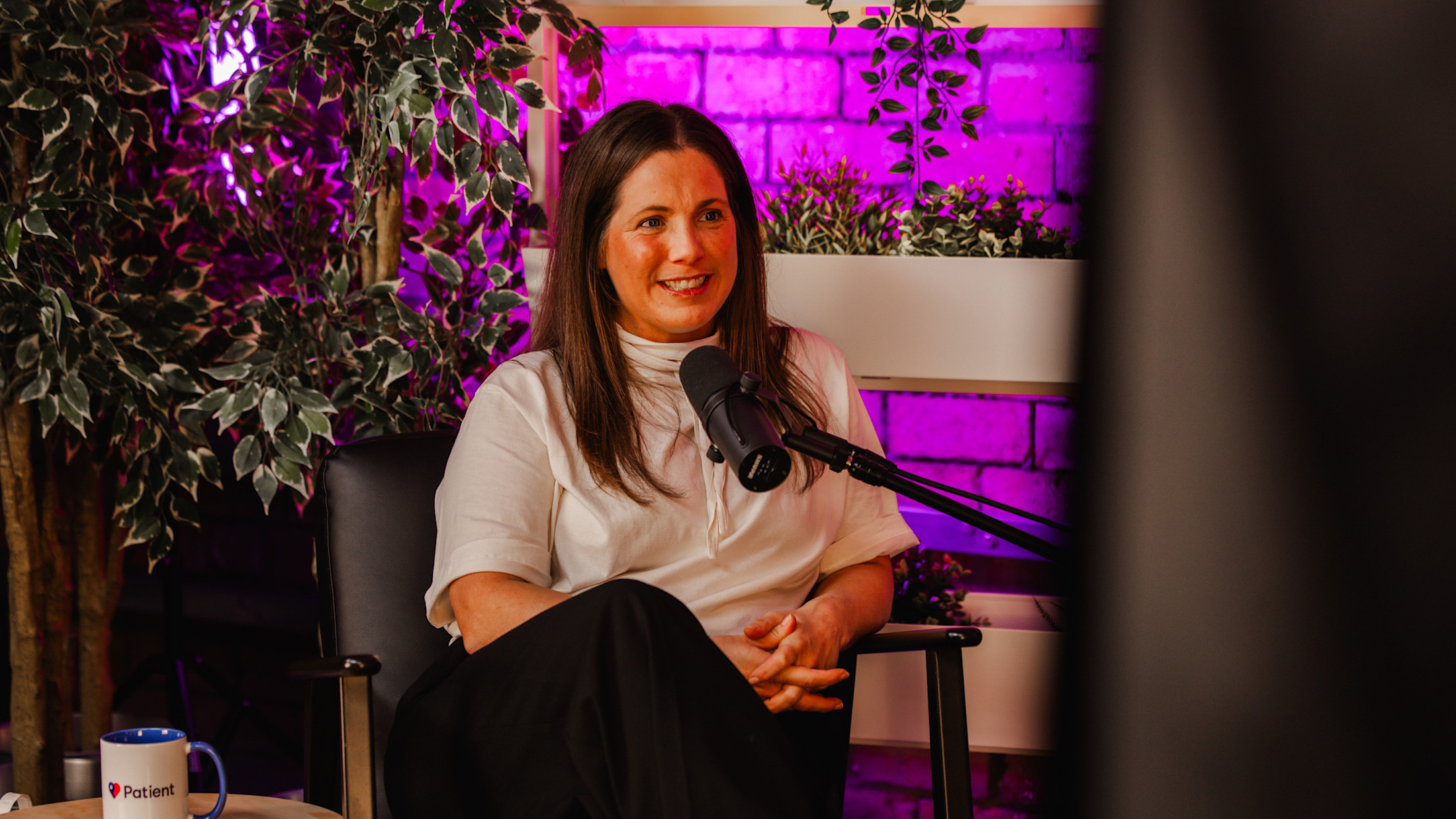
Some stories change the way a country talks about illness, love and resilience. Not because they are extraordinary in a sensational sense, but because they reveal what happens inside ordinary families when life becomes unimaginably hard. Matt Jameson and Christine Talbot sit down with Lindsey Burrow, mother, campaigner and the devoted wife of Rob Burrow. Together, Rob and Lindsey became the public face of love in the face of motor neurone disease. Their story moved millions not because it sought attention, but because it showed what commitment, dignity and compassion look like when everything else is stripped away. This conversation is not simply about loss. It is about caring, endurance, identity and what it means to keep showing up for the people you love when the future becomes uncertain.
by Thomas Andrew Porteus, MBCS
Podcasts
Dr Agam Jung: Caring for Rob Burrow & Building the MND Centre
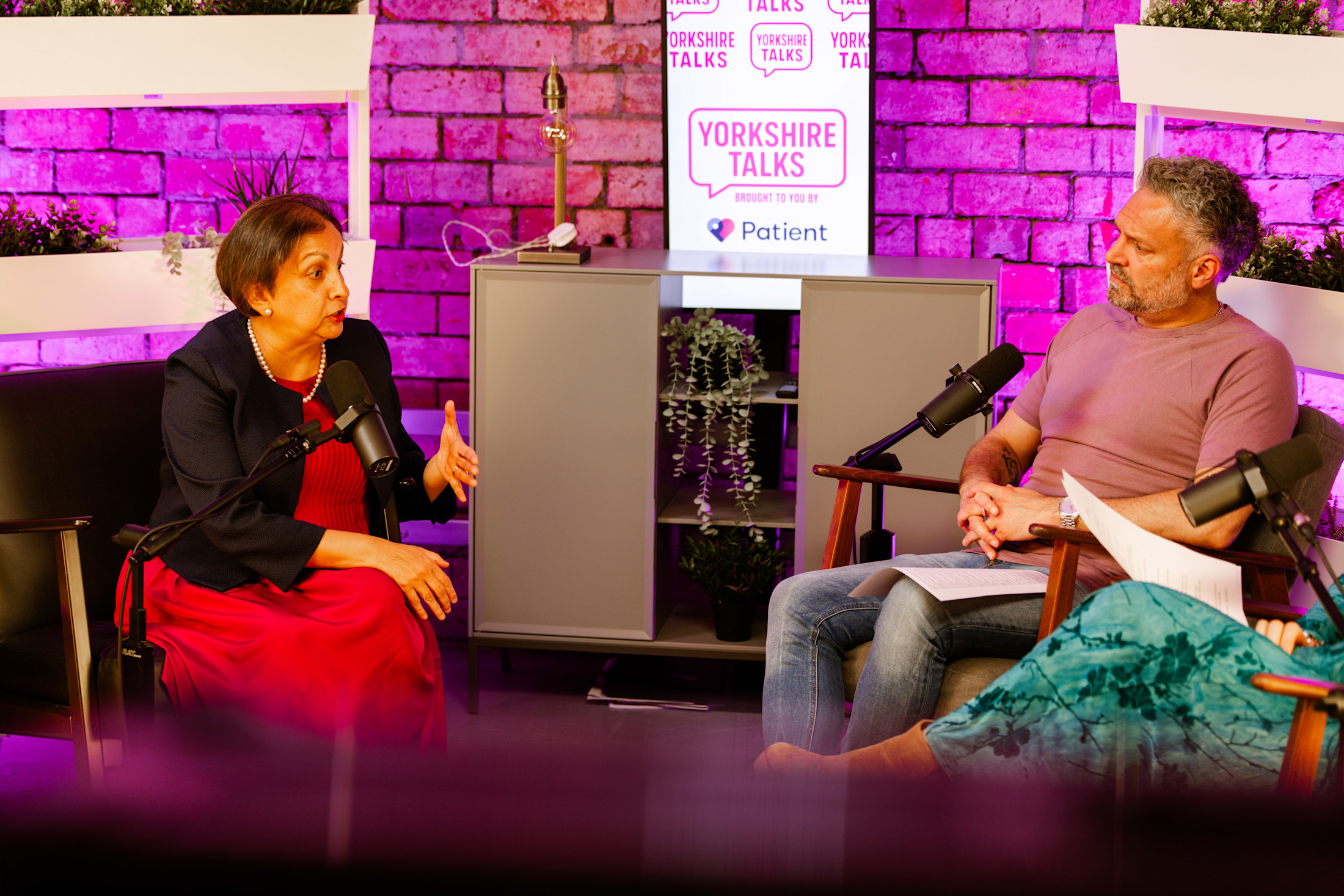
Christine and Matt chat to the consultant neurologist who became known across the UK and beyond for the exceptional care she gave rugby league legend Rob Burrow following his motor neurone disease diagnosis.
by Matt Jameson & Christine Talbot
About the authorView full bio
Authored by

Thomas Andrew Porteus, MBCS
HealthTech
MBCS
Thomas writes to inform, inspire, and equip practice leaders and health professionals navigating change, drawing on two decades of hands-on work across the UK health system.
Join the conversation
Share your thoughts or experiences with others in our patient communities.

Ask, share, connect.
Browse discussions, ask questions, and share experiences across hundreds of health topics.

Feeling unwell?
Assess your symptoms online for free
Sign up to the Patient newsletter
Your weekly dose of clear, trustworthy health advice - written to help you feel informed, confident and in control.
By subscribing you accept our Privacy Policy. You can unsubscribe at any time. We never sell your data.