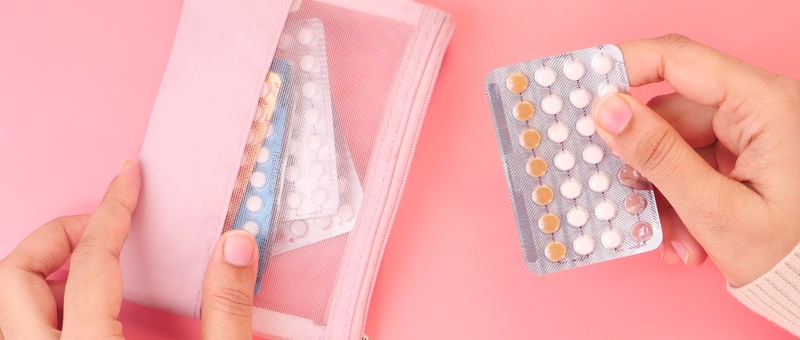
Was ist das Post-Pillen-Syndrom?
Begutachtet von Dr Colin Tidy, MRCGPVerfasst von Victoria RawUrsprünglich veröffentlicht 18. Juni 2025
Erfüllt die Anforderungen des Patienten redaktionellen Richtlinien
- HerunterladenHerunterladen
- Teilen
- Language
- Diskussion
- Audio-Version
- Zu bevorzugten Quellen bei Google hinzufügen
Nach dem Absetzen der Verhütung können Sie körperliche oder emotionale Veränderungen in Ihrem Körper bemerken. Obwohl es nicht offiziell als medizinischer Zustand anerkannt ist, werden diese Symptome oft als Post-Pill-Syndrom (PBCS) bezeichnet.

There are many reasons you might choose to stop taking birth control - whether it's because you can no longer take it, no longer need it, or simply no longer want to.
Umgang mit dem Post-Pillen-Syndrom - Symptome und Lösungen
Debbie Grayson, Pharmacist and Nutritional Therapist, Practice With Confidence, Greater Manchester, UK explains that post-birth control syndrome (PBCS) refers to a collection of symptoms that some people have after discontinuing hormonal contraceptives.
"PBCS is not an officially recognised medical diagnosis, but the symptoms are real and can be distressing," she says. "They typically emerge within four to six months after stopping birth control."
Grayson outlines the most common PBCS symptoms:
Akne.
Irregular periods.
Stimmungsschwankungen.
Haarausfall.
You may experience breast tenderness, a decrease in sex drive, and weight gain - though this last symptom could be influenced by various factors unrelated to your birth control.
What causes post-birth control syndrome?
Most forms of birth control work to prevent pregnancy, by releasing synthetic hormones into your body that stop your ovaries from releasing eggs. If there is no egg to be fertilised, then sperm is unable to fertilise it during sex to make a baby.
There are eight types of birth control available in the UK, all of which are free through the NHS. You can access them via your doctor, sexual health clinics, or selected pharmacies.
Birth control options available in the UK
Combined pill - an oral contraceptive that contains both oestrogen and progestogen hormones.
Progestogen-allein-Pille - an oral contraceptive commonly called the 'mini pill', that contains the hormone progestogen.
IUS (intrauterine system) - a small, plastic device, also called a 'hormonal coil', that releases progestogen into your womb.
Verhütungsimplantat - a small, plastic rod, inserted under the skin of your arm, that contains the hormone progestogen.
Verhütungsspritze - an injection that contains the hormone progestogen.
Verhütungspflaster - a square patch applied to your skin, that contains the hormone progestogen.
Vaginal ring - a small, plastic ring placed inside your vagina, that releases oestrogen and progestogen hormones.
IUD (intrauterine device) - a device, also known as a 'copper coil', that releases copper into your womb to stop sperm from surviving and fertilising an egg.
After you stop taking birth control, its effects typically disappear within about a month.
Grayson explains, however, that during this time, your body's hormone levels will take some time to adjust.
"This can lead to temporary disruptions," she explains. "Factors such as nutrient depletion, gut health, and hormonal detoxification play roles in this transition."
How is PBCS diagnosed and managed?
As mentioned above, PBCS is not currently recognised as a health condition in the UK. As a result, you cannot seek a formal diagnosis from your doctor, even if you are having symptoms that may be related to it.
However, if you’re having symptoms such as irregular periods, mood swings, acne, fatigue, or digestive issues, it’s important to seek advice from a healthcare professional.
Grayson explains that there are several supportive strategies you can focus on to help restore your body’s natural balance and processes.
Top up on nutrients
Research suggests that hormonal contraceptives may deplete essential nutrients - such as B vitamins, magnesium, zinc, and vitamin C. Replenishing these through a balanced diet or targeted supplements can support your energy levels, mood, and overall hormonal health.
Boost your hormonal balance
Supporting your body’s natural hormone production is key to overall wellbeing.
According to Grayson, you can nurture your hormonal balance by:
Fuelling your body with a nutrient-rich diet - including healthy fats such as omega-3s, plenty of fibre, and quality protein.
Stressbewältigung - through mindfulness practices, gute Schlafhygiene, and regular exercise.
Minimising exposure to hormone-disrupting chemicals - by choosing safer skincare, avoiding plastic containers, and using non-toxic household products.
Keep your gut healthy
The health of your gut plays a crucial role in hormone metabolism and detoxification. Maintaining a healthy gut microbiome can help reduce symptoms such as bloating, acne, and mood swings.
This can be supported by:
Eating probiotic-rich foods - wie zum Beispiel yoghurt, kimchi, and kefir.
Increasing your fibre intake.
Avoiding processed foods and excess sugar.
Grayson recommends checking in with a healthcare professional for personalised guidance after stopping birth control.
If you choose to come off it, it's important to tell your doctor so they can support you through the transition and help manage any after-effects.
How long does post-birth control syndrome last?
It can take up to three months for your body to adjust after stopping birth control, and irregular periods during this time are common. However, if your menstrual cycle hasn’t settled after three months or if you’re having symptoms that interfere with daily life - such as painful or heavy periods - it’s important to speak with your doctor. They can offer tailored advice, support and, in some cases, may perform clinical tests or physical examinations to identify the underlying cause of your symptoms.
Patientenauswahl für Verhütung

Sexuelle Gesundheit
Mythen über die Pille danach entlarvt
Manchmal passieren trotz unserer besten Absichten Unfälle. Wenn Sie aufgrund ungeschützten Geschlechtsverkehrs eine Notfallverhütung benötigen, geraten Sie nicht in Panik. Hier widerlegen wir die häufigsten Missverständnisse über die Einnahme der 'Pille danach'.
von Dr. Jennifer Kelly, MRCGP

Sexuelle Gesundheit
Die Vor- und Nachteile von Frauenkondomen
Kondome sind die erste Verteidigungslinie des öffentlichen Gesundheitswesens, wenn es darum geht, uns vor sexuell übertragbaren Infektionen zu schützen – so sehr, dass das Überziehen einer Banane mit einem Kondom das prägende Bild in der Sexualerziehung vieler Menschen ist. Aber es gibt mehr Optionen, als du vielleicht denkst.
von Milly Evans
Über den AutorVollständige Biografie anzeigen

Victoria Raw
Feature-Autorin
BA (Hons), Englische Literatur
Victoria ist eine Content-Autorin bei Patient, deren besondere Interessen sich auf das mentale Wohlbefinden, gesellschaftliche Trends und den Einfluss der Technologie auf unsere Gesundheit konzentrieren.
Über den RezensentenVollständige Biografie anzeigen

Dr Colin Tidy, MRCGP
Allgemeinmediziner, Medizinischer Autor
MBBS, MRCGP, MRCP (Paediatrics), DCH
Dr. Colin Tidy ist ein NHS-Arzt mit Sitz in Oxfordshire.
Artikelverlauf
Die Informationen auf dieser Seite werden von qualifizierten Klinikern begutachtet.
Artikel auch verfügbar in Englisch, Deutsch, Spanisch, Französisch, Italienisch, Portugiesisch, Hindi, Hebräisch, Arabisch, und Schwedisch.
Nächste Überprüfung fällig: 19. Juni 2028
18. Juni 2025 | Ursprünglich veröffentlicht
Verfasst von:
Victoria RawBegutachtet von
Dr Colin Tidy, MRCGP

Fragen, teilen, verbinden.
Durchsuchen Sie Diskussionen, stellen Sie Fragen und teilen Sie Erfahrungen zu Hunderten von Gesundheitsthemen.

Fühlen Sie sich unwohl?
Bewerten Sie Ihre Symptome online kostenlos
Abonnieren Sie den Patienten-Newsletter
Ihre wöchentliche Dosis klarer, vertrauenswürdiger Gesundheitsberatung - geschrieben, um Ihnen zu helfen, sich informiert, selbstbewusst und in Kontrolle zu fühlen.
Durch das Abonnieren akzeptieren Sie unsere Datenschutzrichtlinie. Sie können sich jederzeit abmelden. Wir verkaufen Ihre Daten niemals.
Mehr zur sexuellen Gesundheit
- Ein Chlamydien-Impfstoff hat die ersten Sicherheitstests bestanden
- Kann man sich durch Küssen mit Chlamydien anstecken?
- Kann Ihr Apotheker Ihnen bei Ihrer sexuellen Gesundheit helfen?
- Erhöht die Antibabypille Ihr Risiko für Blutgerinnsel?
- Wie häufig ist männliche Unfruchtbarkeit und was sind die Ursachen?
- Wie erkennt man, ob man HIV hat?
- Wie Erektionsprobleme Ihre Beziehung beeinflussen können
- Wie oft sollten Sie eine Sexualgesundheitsklinik für einen Check-up besuchen?
- Wie man Vaginismus behandelt
- Ist es einfach, einen HIV-Test zu machen?
- Ist es sicher, die Periode mit der Pille auszulassen?
- Geheime Einkäufer: Bekommen Frauen die beste Verhütungsberatung?
- Der beste Weg, einen Herpesausbruch zu behandeln
- Die Vor- und Nachteile von Frauenkondomen
- Verstehen von Vulvodynie und warum sie schmerzhaften Sex verursacht
- Was kann bei Frauen eine niedrige Libido verursachen?
- Was Sie wissen müssen, bevor Sie Medikamente gegen erektile Dysfunktion einnehmen
- Wie sieht die Zukunft der Verhütung aus?
- Warum nimmt sexuelle Gewalt gegen Männer zu?
- Warum nimmt Syphilis zu?