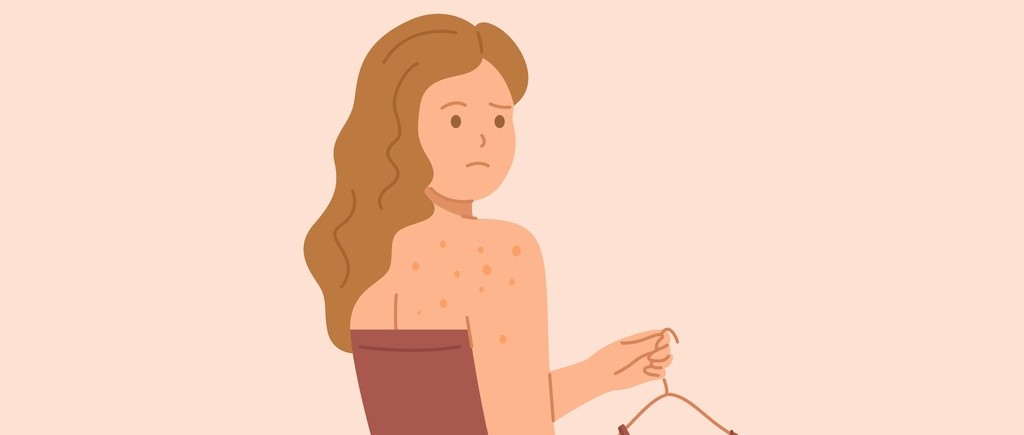
8 Ursachen für Akne am Rücken
Begutachtet von Dr Krishna Vakharia, MRCGPVerfasst von Amberley DavisUrsprünglich veröffentlicht 20. Nov 2023
Erfüllt die Anforderungen des Patienten Richtlinien des Patienten
- HerunterladenHerunterladen
- Teilen
- Language
- Diskussion
- Audio-Version
- Zu bevorzugten Quellen bei Google hinzufügen
Akne am Rücken kann schmerzhaft sein. Es kann auch viele Menschen unsicher und unwohl in ihrer eigenen Haut fühlen lassen. Doch die Entwicklung von Rückenakne ist oft außer Kontrolle, obwohl es einige Gewohnheiten gibt, die sie auslösen können. Wir untersuchen die Ursachen, die Sie kontrollieren können und die Sie nicht kontrollieren können, sowie die Behandlungsmöglichkeiten für Rückenakne, damit Sie Ihr Leben wieder unbeschwert genießen können.

What is back acne?
Back acne, or 'bacne' as it's sometimes called, is a common skin condition. Around half of all people with facial Akne will also have acne on their back, shoulders, or chest1. Yet, because our backs are more covered than our faces, people with back acne often feel like they have an unusual and embarrassing problem. This simply isn't true.
We can all get spots on our back from time to time, but if you have back acne you may have red bumps, whiteheads, blackheads, and cysts forming in clusters or spread across your whole back. You may also experience acne scarring. Back acne is often sore and painful, but treatment can make a big difference.
What causes back acne?
Acne can occur when oil, bacteria, and dead skin cells clog your skin's pores. These are the tiny holes in your skin where hair follicles grow through and where sebum, your skin's natural oil, is produced. One of the main causes of acne is producing too much oil, which mixes with dead skin cells to form a plug that seals off the pore.
A whitehead - closed comedone - forms when the plugged follicle remains beneath the skin - if it breaks through to the skin's surface, a blackhead - open comedone - forms. Skin-residing bacteria can also thrive in clogged pores, triggering spots and bumps.
For the most part, back acne mirrors facial acne when it comes to its causes and triggers. Other than the face, the upper back has more oil glands than other body parts, making it easier for acne to develop.
However, there are some triggers that leave you more prone to back acne. With the help from dermatologist David Li, CEO and founder of Boston Derm Advocate, we explore the causes of back acne - starting from the factors out of your control to those that you can manage.
Hormone
According to Li, hormonal fluctuations are a prime cause of back acne: "changes in hormones often cause your oil glands to go into overdrive, producing excess sebum that can clog pores," says the dermatologist. "This is why back acne frequently affects teenagers and young adults going through puberty."
If you're an adult with back acne, this might also be influenced by hormones. Li says that back acne can continue into adulthood. Flare ups are particularly common während der Schwangerschaft and menstruation - times linked to significant hormonal changes.
Genetik
"Genetics play a role too. If your family members are prone to acne, you're more likely to experience it as well," says Li. It's also thought that this influences where your acne develops, with some families more genetically likely to develop acne on their backs2.
Medikamente
It's helpful to know that certain medicines could also be triggering your back acne or making it worse. These include contraceptives, steroid medicines, epilepsy medicines, and mood stabilising medicines like lithium. If you're concerned that acne might be a side effect of your medicine, keep taking it and speak to your doctor. It can be dangerous to stop taking medication without the guidance of a health professional.
Stress und Angst
It might be that your mental health is triggering acne flare ups. There's evidence connecting stress and anxiety to acne outbreaks and other skin problems3. This is because stress and anxiety triggers your body's fight-or-flight response. This releases the stress hormones cortisol and androgens, which cause your oil glands to release more sebum.
Hygiene
If you're already prone to acne, Li says that poor hygiene can make the condition worse: "This means not showering after sweating. For back acne, this is especially a risk for people who are active at the gym. I often see patients who don't shower after weightlifting or cardio exercise. Sweat mixes with natural oils and dirt on the skin, creating a breeding ground for bacteria, leading to inflammation and breakouts."
Ernährung
There's a possible link between what you eat and acne, but this hasn't yet been proven. Current research is exploring whether carbs and dairy, sugary, and fatty foods can trigger breakouts. According to Li, these are foods with high glycemic index values which may trigger inflammation that blocks your oil glands as well as increase hormone activity.
Study results are often mixed, which may be because people have different skin types - and only some types may be affected by foods in this way. If you suspect that what you eat is influencing your back acne, you might identify trigger foods by keeping a food diary.
Triggers specific to back acne
Friction under clothes
Friction, known medically as acne mechanica, is a trigger that's specific to non-facial acne. Li says: "friction happens when tight clothing and gear - like backpacks or sports equipment - rub against the skin. This is usually worse during physical activity. I see many patients who exercise who have back acne but no facial acne, because it's being caused by trapped sweat under tight gym clothes."
What you use or wear on your back
If you're experiencing back acne but your face is clear, think about what other things your back comes into contact with that your face doesn't. For example:
If your hair is unclean and hanging down your back this can transfer oils from your hair to the pores on your back.
If your bed sheets, towels, or clothing aren't clean, dirt, bacteria, and oils can rub into your back.
Some skincare products contain comedogenic ingredients, meaning they can clog your pores and trigger acne breakouts. This includes coconut oil, cocoa butter, argon oil, shea butter, and jojoba oil.
Who is more prone to back acne?
Anyone can develop acne, regardless of age, sex, or ethnicity. But it is more common in some groups: "You're more likely to develop acne if you have an oily skin type or are experiencing hormonal changes, including teenagers going through puberty, women during their menstrual cycle, or people undergoing hormonal therapy," says Li.
How to get rid of back acne
Back acne can be a mild nuisance or severely uncomfortable and disruptive. If it's having a big effect on your life, speak to your doctor or see a dermatologist. They can give advice on how to manage acne at home and may also recommend and prescribe Medikamenten that you swallow or rub into your back if your acne is severe.
Some treatments are available from pharmacies. For example, cleansers, creams, and gels containing benzoyl peroxide can clear up back acne. There are also retinoid gels and acne stickers that releases salicylic acid into your acne spots.
There are also habits everyone can adopt at home to help manage the problem:
Don't pop or squeeze your acne spots - this can damage the skin, infect other spots, and may lead to acne scars, which can be severe and long-lasting.
Wash your back regularly - always shower and change clothes after exercise. Use an oil-free body wash that's noncomedogenic, meaning it won't clog your pores, and try not to scrub your skin with harsh cleansers.
Keep your bed sheets, towels, and clothes clean - this means washing clothes after every use and washing your sheets and towels at least once a week.
Consider your diet - new evidence is emerging around foods that may reduce acne flare ups. This includes eating fish and healthy oils rich in omega-3 fatty acids, as well as Probiotische Lebensmittel und supplements. Although, research is in its early days4.
Wear looser fitness gear - staying physically active is essential for your health, and sweat is a natural part of this. Instead of limiting your fitness routine, wear looser clothing and wash immediately after training.
Weiterführende Lektüre
Patientenauswahl für Akne
Haut-, Nagel- und Haargesundheit
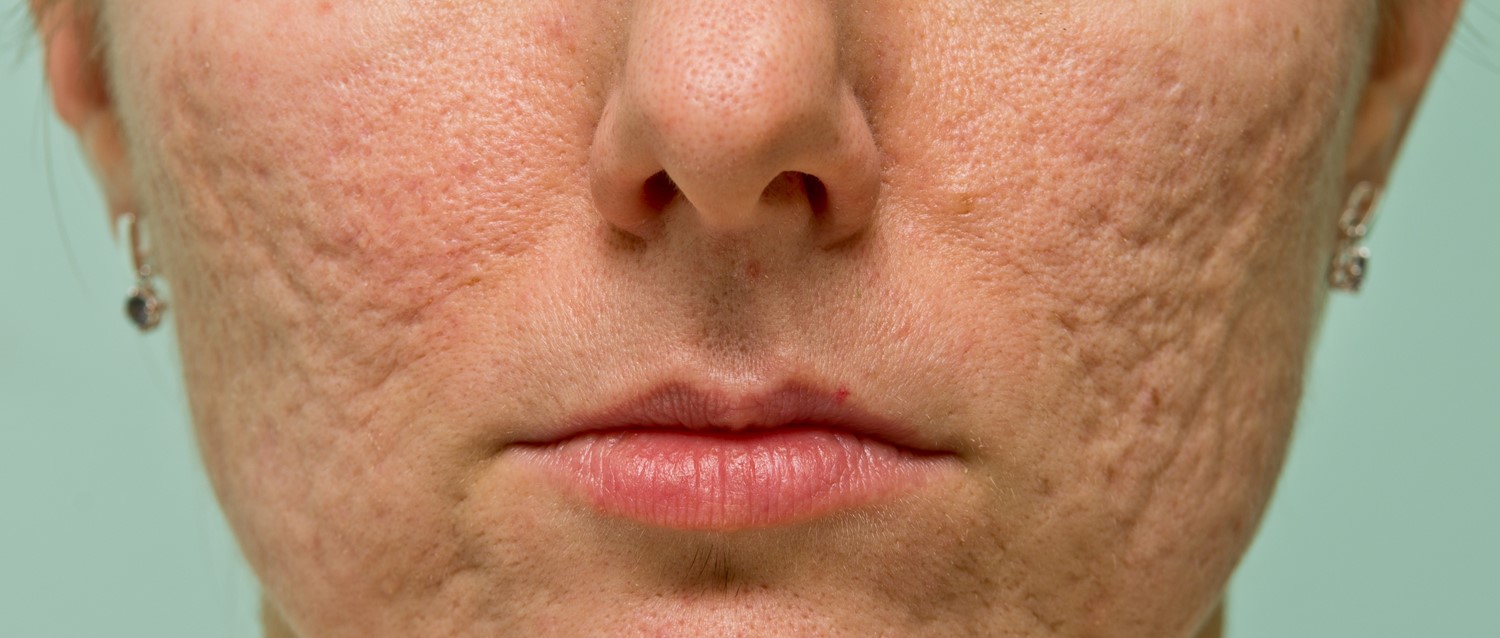
Hilft Bio-Oil bei Aknenarben?
Bio-Oil ist ein kosmetisches Öl, das von vielen behauptet wird, das Erscheinungsbild von Aknenarben zu reduzieren. Bio-Oil ist sowohl der Name des Öls als auch des Herstellers. Es ist ein kosmetisches Öl, das behauptet, das Erscheinungsbild von Narben und Dehnungsstreifen zu verringern, aber wie genau sind diese Behauptungen?
von Emily Jane Bashforth
Haut-, Nagel- und Haargesundheit
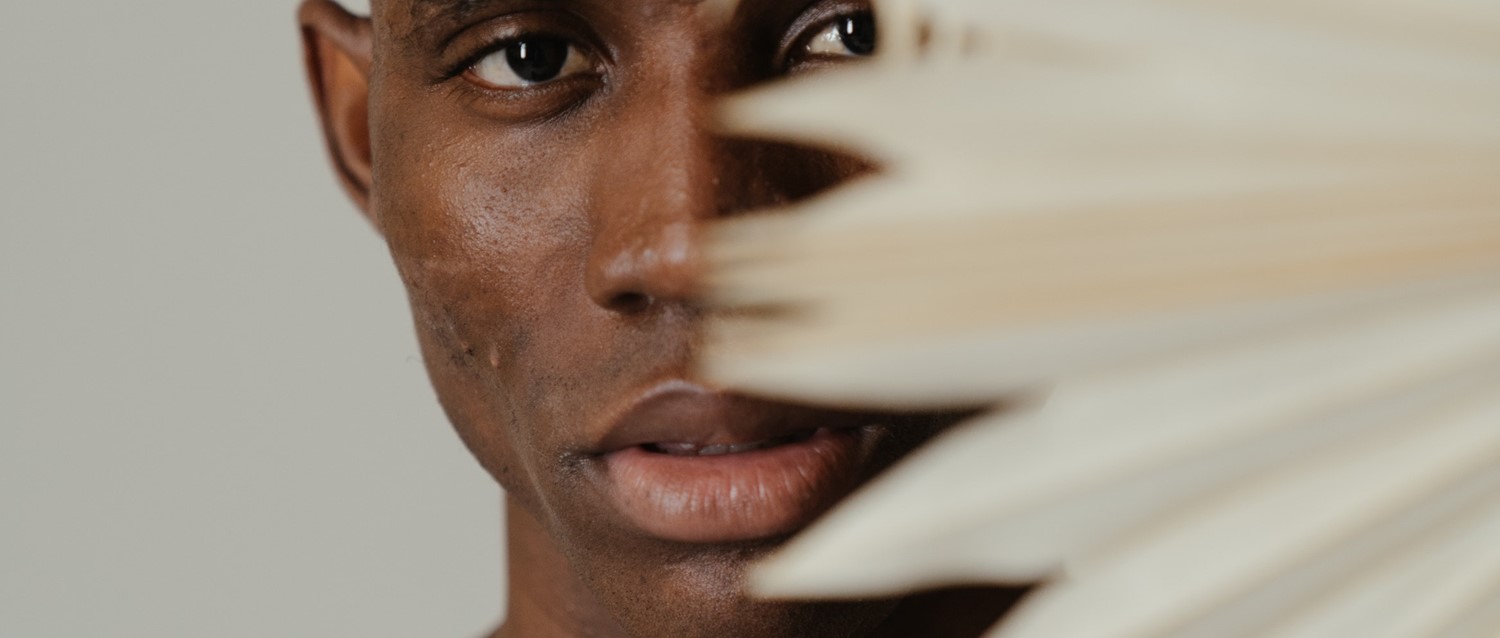
Wie man Aknenarben loswird: Ihr ultimativer Leitfaden
Es mag eine der häufigsten Hautbeschwerden sein, aber die physischen und psychischen Narben, die Akne hinterlässt, können eine große Stressquelle sein. Glücklicherweise gibt es eine Vielzahl von Behandlungsmöglichkeiten, die zu verschiedenen Aknenarben-Typen und -Schweregraden passen.
von Amberley Davis
Über den AutorVollständige Biografie anzeigen

Amberley Davis
Senior-Autorin
BA (Hons), CPD
Amberley ist eine leitende Autorin bei Patient und hat umfangreich über eine Vielzahl von Gesundheits- und Wohlfühlthemen geschrieben.
Über den RezensentenVollständige Biografie anzeigen

Dr Krishna Vakharia, MRCGP
Chief Medical Officer für Gesundheit, Optum UK
MBChB, MRCGP(2013), BMedSci (hons), DFSRH, DRCOG, PGDipDerm (Distn)
Dr. Krishna Vakharia ist eine NHS-Hausärztin. Sie ist auch regelmäßige Prüferin für das postgraduale Diplom in Praktischer Dermatologie an der Cardiff University und zudem Chief Medical Officer für Gesundheit bei Optum UK.
Artikelverlauf
Die Informationen auf dieser Seite werden von qualifizierten Klinikern begutachtet.
Artikel auch verfügbar in Englisch, Deutsch, Spanisch, Französisch, Italienisch, Portugiesisch, Hindi, Hebräisch, Arabisch, und Schwedisch.
20. Nov 2023 | Ursprünglich veröffentlicht
Verfasst von:
Amberley DavisBegutachtet von
Dr Krishna Vakharia, MRCGP

Fragen, teilen, verbinden.
Durchsuchen Sie Diskussionen, stellen Sie Fragen und teilen Sie Erfahrungen zu Hunderten von Gesundheitsthemen.

Fühlen Sie sich unwohl?
Bewerten Sie Ihre Symptome online kostenlos
Abonnieren Sie den Patienten-Newsletter
Ihre wöchentliche Dosis klarer, vertrauenswürdiger Gesundheitsberatung - geschrieben, um Ihnen zu helfen, sich informiert, selbstbewusst und in Kontrolle zu fühlen.
Durch das Abonnieren akzeptieren Sie unsere Datenschutzrichtlinie. Sie können sich jederzeit abmelden. Wir verkaufen Ihre Daten niemals.
Mehr über Haut-, Nagel- und Haargesundheit
- Chemische Peelings: Vorteile, Kosten, Risiken und Erholung
- Häufige Hautbeschwerden: Verständnis von Tinea Versicolor
- Umgang mit Depressionen und Angstzuständen durch Akne im Erwachsenenalter
- Hilft Rosmarinöl wirklich beim Haarwachstum?
- Glykolsäure: Hautpflegevorteile, Nebenwirkungen und mehr
- Wie Sie Ihre Kinder diesen Sommer vor der Sonne schützen
- Rosacea-Behandlungen: Welche ist die richtige für Sie?
- Rote-Haut-Fieber: Ein Arzt rat
- Hautzustand-Videos
- AktualisiertDie besten Lebensmittel und Nährstoffe für gesunde Haut
- Video: Wie verbreiten sich Kopfläuse?
- Behandlungsoptionen für Warzen und Dornwarzen
- Was sind die Vorteile von Kollagen und kann es Hautalterung verhindern?
- Was verursacht, dass unsere Haut Nesselsucht bekommt?
- Was ist Vulvadermatitis?
- Was tun, wenn Psoriasis Sie belastet
- Wann sollte ich mir wegen eines Insektenstichs Sorgen machen?
- Warum tragen Männer seltener Sonnencreme?
- Warum haben wir Nägel?
- Warum verschlechtert sich meine Gesichtsekzem im Sommer?