
How to wash your hands if you have eczema or dry skin
Peer reviewed by Dr Sarah JarvisLast updated by Sally TurnerLast updated 26 Jan 2023
Meets Patient’s editorial guidelines
- DownloadDownload
- Share
- Language
- Discussion
- Audio Version
- Add to preferred sources on Google
Since Covid we appreciate the importance of regularly washing and sanitising our hands. However, for people with skin conditions such as eczema and psoriasis, this can cause painful flare-ups. We look at how to take care of your hands if they're feeling dry and irritated.
Hand washing is one of the most effective ways to reduce the spread of infection. But for people with skin conditions, frequent washing can trigger skin damage and exacerbate symptoms. Even those of us with healthy skin may find that alcohol-based hand sanitisers and harsh soaps can dry out the hands, causing irritation.
"Repeated exposure to water and use of soap, alcohol hand gel, and other detergents can cause what is known as irritant contact dermatitis - a form of eczema," says Dr Nick Levell of the British Association of Dermatologists (BAD). "Irritant contact dermatitis can cause the skin to itch, become sore and red, and develop small blisters or painful cracks. If you already have dry skin either from a skin condition, from medication (such as isotretinoin) or because you are washing your hands more than normal then you may be particularly susceptible to this."
Of course, we all need to follow medical advice and wash our hands regularly. However, it's important to moisturise too, say dermatologists; if the skin's outer barrier layer becomes cracked or irritated this can increase our susceptibility to irritants and infection.
All about emollients
Emollients (moisturisers) are a mixture of two liquids - a plant, fruit or mineral oil mixed with water to make a lotion, cream or ointment. Using an emollient will not prevent your soap or hand sanitiser being effective.
"Emollients are an essential part of treating hand dermatitis," says Levell. "They help repair the damaged outer skin and lock moisture inside the skin, making it soft and supple again. They should be applied after handwashing, repeatedly through the day, and whenever the skin feels dry."
You may find it useful to apply a generous layer of emollient to your hands just before bedtime, wearing a pair of clean cotton gloves to sleep in to maximise benefit and reduce mess.
Which emollient should I choose?
Be wary of perfumed hand creams if your skin is dry and irritated; go for something hypoallergenic that is highly moisturising. Emulsifying ointment, Cetraben, Doublebase, E45 cream or Aveeno products may be useful, or ask your pharmacist for advice.
How should I apply an emollient?
If the product comes in a tub it's best to remove it with a spoon (rather than your fingers) to avoid introducing infection into the tub. For people with skin conditions who use steroid creams, the BAD recommends applying topical steroids 'either 20 minutes before emollients, or 20 minutes afterwards'. Never use topical steroids to moisturise dry skin - they should only be used on active areas of dermatitis.
Do emollients have side effects?
Greasy emollients can warm the skin, which can sometimes make itching worse if you have a pre-existing skin condition. However, the BAD says paraffin-based emollients rarely cause allergy, and are: 'the best choice if you are worried that your emollients might be worsening your dermatitis.' Do be aware that paraffin-based emollients are flammable and must be kept away from lights and flames.
Tips to prevent sore hands
It is possible to maintain good hand hygiene and care for your skin at the same time. Many products are formulated for dry and delicate skin and can help you avoid painful, cracked hands.
Soap substitutes
Soap substitutes, such as aqueous cream and some Dermol or Oilatum products are widely recommended by doctors for people with eczema. That's because soap can dry your skin out, while soap substitutes provide moisture to the skin and minimise the risk of irritation and dryness.
Dry your hands fully
After washing your hands pat them dry, don't rub, advises Levell. Viruses and bacteria are transferred more easily between wet hands and moisture left between fingers can cause soreness and chapping.
Use plenty of moisturiser
Apply a moisture-rich emollient after hand washing or applying hand sanitiser - once the alcohol gel has dried.
"Some people find overnight moisturising treatments beneficial," adds Levell. "Apply a generous layer of a plain moisturiser just before you go to bed, then put on a pair of clean cotton gloves and leave overnight."
Use gloves when appropriate
If you're using cleaning products, shampooing hair or preparing foods that might irritate the hands - such as citrus fruits, garlic or chillies - use gloves.
"Wearing gloves that provide a barrier, such as nitrile gloves which are available from chemists or from online stores, will help to keep the skin's barrier intact," advises Levell.
Heat and sweating can make dermatitis worse, so only wear non-cotton gloves for short periods to carry out a particular task. Consider using cotton-lined gloves or cotton inner gloves to reduce sweating and make sure they are dry inside.
Further help and advice
"If you have severe hand dermatitis or suspect an infection - for example, your skin is oozing - you may need advice from your GP and prescription treatments to reduce inflammation," advises Levell.
If you don't have an ongoing skin condition, but you have dermatitis as a result of frequent hand washing and sanitising, your pharmacist may suggest short-term use of a mild topical steroid such as hydrocortisone cream.
The British Association of Dermatologists and the British Skin Foundation have more information and resources on their websites.
Patient picks for Eczema

Skin, nail and hair health
Everything you need to know about baby eczema
Babies get all sorts of rashes and skin complaints, from nappy rash to cradle cap. Most are harmless and will disappear over time with the right care, but eczema can be a persistent problem. So what is baby eczema and how do you treat it?
by Lawrence Higgins
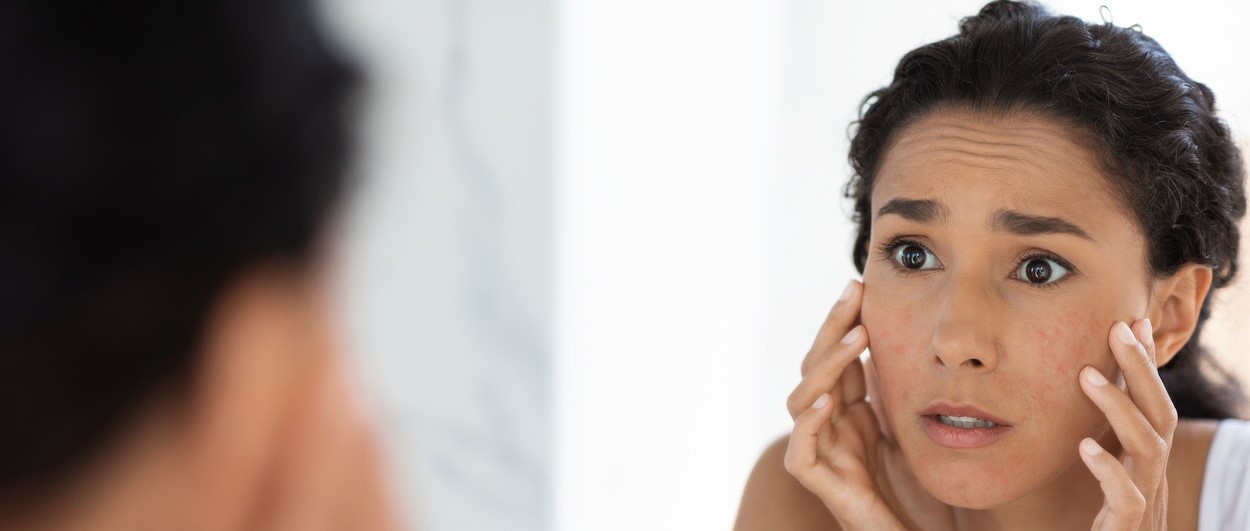
Skin, nail and hair health
Why is my facial eczema worse in summer?
People prone to facial eczema can experience flare ups all year round, but for some, summer can bring on more bouts of irritation, red patches, and itchiness. If you find your face is affected more in the warmer months, you're probably prone to one or more of these common summertime triggers.
by Amberley Davis
About the authorView full bio
Updated by

Sally Turner
Freelance Journalist
BA Media Production
Sally Turner is a writer and broadcaster specialising in sexual health and women’s issues.
Authored by
Sally Turner
Freelance Journalist
BA Media Production
Sally Turner is a writer and broadcaster specialising in sexual health and women’s issues.
About the reviewerView full bio

Dr Sarah Jarvis
Clinical Consultant
MA (Cantab), BM, BCh (Oxon), DRCOG, FRCGP, MBE
After training in medicine at Cambridge and Oxford, Dr Sarah Jarvis MBE became a GP.
Join the conversation
Share your thoughts or experiences with others in our patient communities.

Ask, share, connect.
Browse discussions, ask questions, and share experiences across hundreds of health topics.

Feeling unwell?
Assess your symptoms online for free
Sign up to the Patient newsletter
Your weekly dose of clear, trustworthy health advice - written to help you feel informed, confident and in control.
By subscribing you accept our Privacy Policy. You can unsubscribe at any time. We never sell your data.