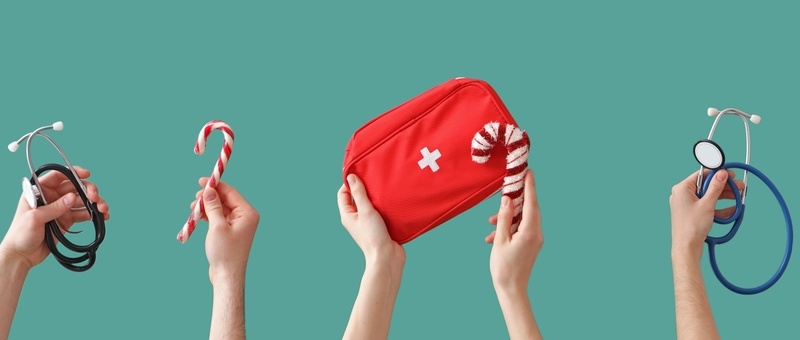
4 first aid tips for a safe and merry Christmas
Peer reviewed by Dr Colin Tidy, MRCGPAuthored by Victoria RawOriginally published 8 Dec 2025
Meets Patient’s editorial guidelines
- DownloadDownload
- Share
- Language
- Discussion
- Audio Version
- Add to preferred sources on Google
It’s that time of year we’ve all been waiting for - a chance to unwind and enjoy our favourite Christmas traditions. But even with the cosy, carefree vibes, it’s worth remembering that Christmas can actually bring a few extra hazards into your home.
So as the festivities ramp up, St John Ambulance is sharing some down-to-earth first aid tips to help keep the season happy and safe.
Whether we’re decorating our homes with candles and fairy lights, sprinkling the carpet with glitter and gifts, or tossing moderation aside to indulge in festive treats, Christmas is a time when many of us relax and let our guard down.
Sue Hampshire, Associate Clinical Director at St John Ambulance, says the festive period is a season of joy, and the charity wants you to enjoy yourself wherever you are.
“However, we also want everyone to stay safe,” she explains. “It’s vital to be aware of the potential hazards around DIY decorations, lots of people gathered together, excessive eating and drinking and the chances of choking or tripping from small items or toys.”
How to protect yourself from common Christmas hazards
Enjoying your favourite Christmas customs can be great for your mental health, but it’s worth keeping an eye on the little hazards that come with them. No one’s saying you can’t have fun - you just need to enjoy these traditions while being mindful of the potential pitfalls.
Luckily, St John Ambulance has some handy tips to help you stay safe over the festive season.
1. Keep tabs on your candles
Christmas is the time of year when most fire-related incidents happen. We all love lighting a candle during the winter months to brighten up dark corners and create a cosy vibe at home.
But even small, naked flames can increase the chance of a house fire - especially if left unattended.
Always make sure you put your candles out before going to bed or leaving a room for any extended period. Using non-plastic holders and keeping candles away from flammable materials can also help prevent those seemingly innocent flickering flames from turning dangerous.
To be extra safe, keep your candles out of reach of children, pets, and the elderly. You could even consider LED candles for a safer alternative.
How to treat burns and scalds:
St John Ambulance advises that if you get a burn, you should start cooling the injury immediately. Place the burn or scald under cool running water for at least 20 minutes, or until the pain eases.
For severe burns, seek medical attention straight away. Minor burns can be covered with kitchen film, and you should avoid bursting any blisters.
2. Twinkle with care
Glittering fairy lights - whether coloured, clear, or a mix of both - are a staple of Christmas cheer. They brighten up homes, gardens, and town centres alike. Untangling them can be a bit stressful, but it’s nothing compared to the peril of getting an electric shock if the lights happen to be faulty.
Always check fairy light cables for damage before putting them on your tree. Make sure outdoor lights are rated for use outside in all weathers, and keep electrical components indoors.
If you or someone else receives an electric shock, move the person away from the electrical source. If possible, stand on a dry, insulating surface - such as a plastic mat or wooden box - and use a non-conductive object - such as a broom handle or wooden pole - to carefully push the affected person’s hand or foot away from the source.
St John Ambulance recommends the following guidance if someone receives an electric shock or goes into cardiac arrest.
Do not touch the casualty until they are completely clear of the electrical source. If possible, turn off the power at the mains or unplug the device.
Once you’re certain the casualty is no longer in contact with the electrical source, carry out a primary survey and treat any visible injuries.
If they are not breathing, call 999 or 112 immediately. Kneel beside their chest, place the heel of one hand in the centre of the chest, then place your other hand on top and interlock your fingers.
Begin chest compressions - keep your arms straight, press down 2-3 inches on the breastbone, then release without lifting your hands off the chest. Aim for 100-120 compressions per minute.
If trained, give 30 compressions followed by 2 rescue breaths. If you’re unwilling or unable to give rescue breaths, continue with steady compressions until help arrives.
3. Tread carefully around toys
Many of us know the searing pain of stepping on a sharp toy - an experience most of us remember a little too well. But we’re not the only ones in danger of hurting ourselves when the floor is littered with Christmas toys.
If you’ve got visitors coming over this Christmas, do them a favour by keeping your floors tidy to help prevent injuries, slips, and trips.
St John Ambulance recommends keeping your floors tidy to prevent trips over toys and loose batteries. Make sure toys are age-appropriate and don’t pose a choking hazard.
If someone starts choking, encourage them to cough. If that doesn’t clear the blockage, give firm back blows followed by abdominal thrusts. Call 999/112 if the obstruction remains, and be prepared to start CPR if they become unresponsive.
Take care to avoid anaphylactic shock
Anaphylactic shock is a serious, life-threatening allergic reaction triggered by something you’ve eaten or come into close contact with.
Christmas can increase the chances of this happening, as we’re more likely to try foods we don’t usually eat, encounter allergens in festive decorations, and go about the season with a little less caution than usual.
You can read about the symptoms of anaphylactic shock in our article that highlights the key signs to watch for.
St John Ambulance outlines the essential first aid steps for someone experiencing anaphylactic shock:
Call 999/112 immediately - tell them you suspect anaphylactic shock.
Assist with an adrenaline auto-injector (EpiPen or similar) - if the casualty has one.
Use the injector - remove the safety cap, hold it in your fist, and press the tip firmly against the casualty’s outer thigh until it clicks. The medicine can be delivered through clothing.
Hold in place for 10 seconds (or follow the device instructions) - then remove.
Position the casualty to aid breathing - help them sit upright. If they become pale with a weak pulse, lay them down and raise and support their legs.
Repeat doses if needed - if more than one auto-injector is available and there’s no improvement, a second dose can be given after 5 minutes while waiting for emergency help.
The main thing St John Ambulance wants us to know is that they’re not trying to dampen the holiday spirit. Their goal is to help you enjoy all the festive fun safely.
Christmas is undeniably exciting, but it can also be intense. With all the sights, sounds, and activities, it’s easy to throw caution to the wind and forget that one small accident could have serious consequences.
Christmas should be a time for fun, not harm. So enjoy yourselves, but do so with care - stay prepared, stay aware, and keep safety in mind while making the most of the season.
For more information, visit the St John Ambulance website.
Patient picks for First aid

Treatment and medication
The importance of learning CPR
According to the British Heart Foundation (BHF) 30,000 people have a cardiac arrest each year. Fewer than one in ten of these people will survive. Cardiac arrest can happen to anyone, anywhere, at any time - and without warning. Knowing how to perform CPR could double someone's chances of surviving it. We hear from real-life heroes who've saved lives through CPR. Their stories highlight the vital importance of learning this life-saving skill.
by Victoria Raw
Treatment and medication
Empowering the next generation: St John Ambulance and the Young Responders campaign
Street violence is a more widespread issue among young people than many might realise. A 2024 report by the Youth Endowment Fund (YEF) highlighted this reality, revealing that almost 50% of teenagers had been a victim or a witness of violence within the past year. To address this, St John Ambulance has developed the Young Responders programme - a free initiative for people aged 11-25, that teaches them street first aid skills they can use in real life.
by Victoria Raw
About the authorView full bio

Victoria Raw
Feature Writer
BA (Hons), English Literature
Victoria is a content writer at Patient, with special interests spanning mental wellbeing, societal trends and the impact of technology on our health.
About the reviewerView full bio

Dr Colin Tidy, MRCGP
General Practitioner, Medical Author
MBBS, MRCGP, MRCP (Paediatrics), DCH
Dr Colin Tidy is an NHS Doctor, based in Oxfordshire.
Article history
The information on this page is peer reviewed by qualified clinicians.
Article also available in English, German, Spanish, French, Italian, Portuguese, Hindi, Hebrew, Arabic, and Swedish.
Next review due: 8 Dec 2028
8 Dec 2025 | Originally published
Authored by:
Victoria RawPeer reviewed by
Dr Colin Tidy, MRCGP
Join the conversation
Share your thoughts or experiences with others in our patient communities.

Ask, share, connect.
Browse discussions, ask questions, and share experiences across hundreds of health topics.

Feeling unwell?
Assess your symptoms online for free
Sign up to the Patient newsletter
Your weekly dose of clear, trustworthy health advice - written to help you feel informed, confident and in control.
By subscribing you accept our Privacy Policy. You can unsubscribe at any time. We never sell your data.
More in treatment and medication
- Book a Pharmacy First online consultation
- Earache relief: medicine and remedies
- Holiday first aid kit essentials
- How to choose a therapist
- How to decide between different types of therapy
- How to get the most out of video physiotherapy
- How to stop taking Mounjaro or switch to an alternative
- Hypnotherapy for IBS: the gut-brain axis
- Is ASMR the secret to sensory bliss?
- Pets as therapy: benefits for all ages
- Pharmacy First - getting the most from your pharmacist
- Practical ways to manage your medicines at home
- Should I switch antidepressants?
- Wegovy FAQs: Common weight loss questions answered
- What factors are causing antimicrobial resistance?
- What happens when medicines interact
- What it's like to have a vasectomy
- What to expect when your child starts talking therapy
- Why antibiotics shouldn't be overused
- Will taking antidepressants really lead to weight gain?