Wichtige Erste-Hilfe-Artikel für Ihr Zuhause
Begutachtet von Dr Sarah JarvisZuletzt aktualisiert von Danny ChadburnZuletzt aktualisiert 19. Okt 2017
Erfüllt die Anforderungen des Patienten Richtlinien des Patienten
- HerunterladenHerunterladen
- Teilen
- Language
- Diskussion
- Audio-Version
- Zu bevorzugten Quellen bei Google hinzufügen
Wir alle möchten für medizinische Notfälle zu Hause vorbereitet sein, insbesondere wenn wir mit Kindern, älteren Menschen oder Personen, die besonders sturzgefährdet sind, zusammenleben. Vom Abdecken einer Schnittwunde bis zur Behandlung eines schweren Verbrennung, ein gut ausgestatteter Erste-Hilfe-Kasten kann entscheidend für die Genesung eines Patienten sein.
'You never know when you will need a first aid kit. It's not only useful for putting a plaster on a small cut, but also for more serious ailments from severe bleeding to broken bones,' says Isobel Kearl, product implementation officer at St John Ambulance.
'Immediate first aid attention can lessen the likelihood of injuries getting worse. Even small cuts and grazes can become infected if left untreated and, if sepsis takes hold, they can become life-threatening. By treating injuries with a sterile wipe and dressing the wound appropriately, this risk can be dramatically reduced.'
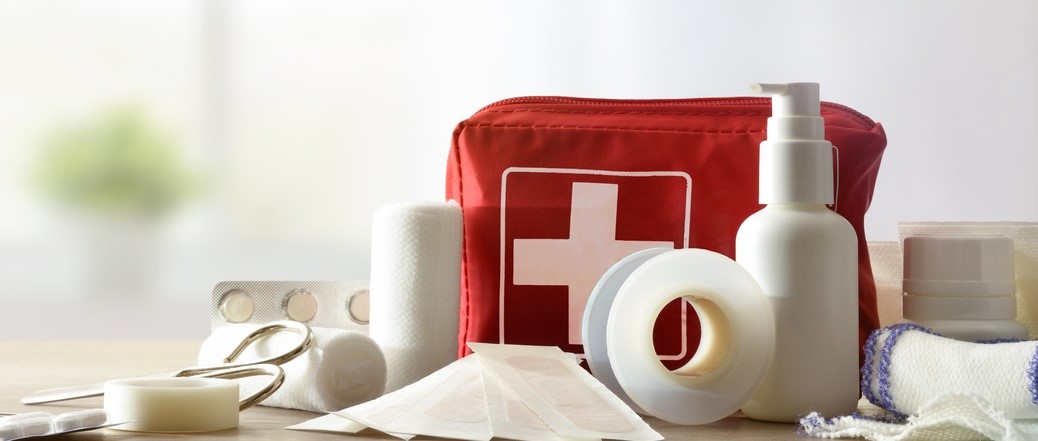
Kearl recommends these essential first aid kit items for every home:
Sterile medical wipes - useful to clean cuts and grazes, and other small wounds.
Waterproof plasters to keep small injuries clean.
Fabric plaster strip - if the wound is bigger or awkwardly shaped, you can cut your own plasters to size.
Adhesive wound dressing to protect wounds from dirt and germs.
Low-adherent wound dressing to protect wounds from dirt and germs, while allowing the skin to breathe and providing cushioning.
Crepe bandage to provide support for sprains and strains, and hold dressings in place.
Stretch bandage to keep dressings in place, especially in awkward areas like joints.
Microporous tape to hold dressings in place, or used alone for minor cuts and grazes.
Safety pins to secure bandages or slings.
Triangular bandage to make a sling or used to hold dressings in place in awkward areas.
Eye pad dressing for minor eye injuries.
Eye wash phial to wash a foreign body out of the eye.
Burn gel sachets to absorb and disperse heat from burn injuries if no water is available.
Heat-retaining foil blanket for treating shock or hypothermia.
Instant ice pack for reducing swelling in sprains and strains.
Disposable gloves to prevent infections to yourself and the patient - go for nitrile if you're worried about latex allergies.
Tweezers or a splinter remover.
Blunt-ended scissors to cut bandages or a patient's clothing to access a wound.
When to replace your items
When stored correctly, nitrile gloves have a shelf life around four years. Any topical creams or ointments have an expiration date around three years. You should also check for any dates printed on to tubes or packaging.
For sterile medical wipes and eye wash, always check the expiration date as the seal may have become compromised over time and caused contamination.
Many ice packs don't have expiration dates; however, some companies advise replacing them every few years as the plastic may have degraded causing them to leak.
Alternative first aid equipment
If you can't get to a first aid kit, there are some household items that will double up as first aid equipment too. These include:
Tweezers to remove ticks or splinters (not bee stings as they can push more venom into the skin) - sterilise beforehand with boiling water or rubbing alcohol.
A credit card for removing a bee stings - try scraping it across the surface of your skin so the stinger catches the edge and is pushed up.
Distilled white vinegar - this can be used to treat mild cuts and abrasions when diluted in a 50/50 mixture of water and vinegar, but beware that it may sting.
A bag of frozen vegetables can be used in place of an ice pack.
Duct tape can be used to seal an open wound - use a clean piece of cloth, such as an old T-shirt, between the skin and the tape to help protect the wound but make sure it's not so tight that it cuts off circulation.
Patientenauswahl für Erste Hilfe
Behandlung und Medikamente
4 Erste-Hilfe-Tipps für ein sicheres und fröhliches Weihnachten
It’s that time of year we’ve all been waiting for - a chance to unwind and enjoy our favourite Christmas traditions. But even with the cosy, carefree vibes, it’s worth remembering that Christmas can actually bring a few extra hazards into your home. So as the festivities ramp up, St John Ambulance is sharing some down-to-earth first aid tips to help keep the season happy and safe.
von Victoria Raw
Behandlung und Medikamente
Wie man sich selbst Erste Hilfe beibringt
Would you know what to do if someone was choking? Or if they lost consciousness? Knowing first aid can be the difference between life and death, which is why it's important to know the basics.
von Andrea Downey
Über den Autor

Danny Chadburn
Leiter der Inhalte
Danny war der frühere Leiter der Inhalte bei Patient.
Über den RezensentenVollständige Biografie anzeigen

Dr. Sarah Jarvis
Klinische Beraterin
MA (Cantab), BM, BCh (Oxon), DRCOG, FRCGP, MBE
Nach ihrer medizinischen Ausbildung in Cambridge und Oxford wurde Dr. Sarah Jarvis MBE Hausärztin.
Artikelverlauf
Die Informationen auf dieser Seite werden von qualifizierten Klinikern begutachtet.
Artikel auch verfügbar in Englisch, Deutsch, Spanisch, Französisch, Italienisch, Portugiesisch, Hindi, Hebräisch, Arabisch, und Schwedisch.
19. Okt 2017 | Neueste Version

Fragen, teilen, verbinden.
Durchsuchen Sie Diskussionen, stellen Sie Fragen und teilen Sie Erfahrungen zu Hunderten von Gesundheitsthemen.

Fühlen Sie sich unwohl?
Bewerten Sie Ihre Symptome online kostenlos
Abonnieren Sie den Patienten-Newsletter
Ihre wöchentliche Dosis klarer, vertrauenswürdiger Gesundheitsberatung - geschrieben, um Ihnen zu helfen, sich informiert, selbstbewusst und in Kontrolle zu fühlen.
Durch das Abonnieren akzeptieren Sie unsere Datenschutzrichtlinie. Sie können sich jederzeit abmelden. Wir verkaufen Ihre Daten niemals.
Mehr zu Behandlung und Medikamenten
- Kann Hypnotherapie beim Abnehmen helfen?
- Kann Ihre Haut wirklich süchtig nach Steroidcremes werden?
- Helfen Betablocker bei Angstsymptomen?
- Funktionieren Apps für psychische Gesundheit wirklich?
- Benötigen Sie Physiotherapie nach einem Gelenkersatz?
- Malaria-Tabletten von Ihrem Apotheker erhalten
- Heuschnupfen: Wie Ihr Apotheker helfen kann
- Wie man einen Therapeuten auswählt
- Wie man die Nebenwirkungen von Mounjaro und Wegovy verwaltet
- Wie eine Gewichtsverlustoperation mein Leben veränderte: Gemmas Geschichte
- Ist es wirklich Reflux? Warum Ihnen möglicherweise fälschlicherweise PPIs verschrieben werden
- Praktische Möglichkeiten, Ihre Medikamente zu Hause zu verwalten
- Sollten Sie Kindern Schmerzmittel geben?
- Sollten Sie sich über Steroide und deren Nebenwirkungen Sorgen machen?
- Wegovy FAQs: Häufige Fragen zur Gewichtsabnahme beantwortet
- Was passiert, wenn Medikamente interagieren
- Wie es ist, auf der Warteliste für eine Organtransplantation zu stehen
- Welche Ausrüstung benötigen Sie für einen Sport-Erste-Hilfe-Kasten?