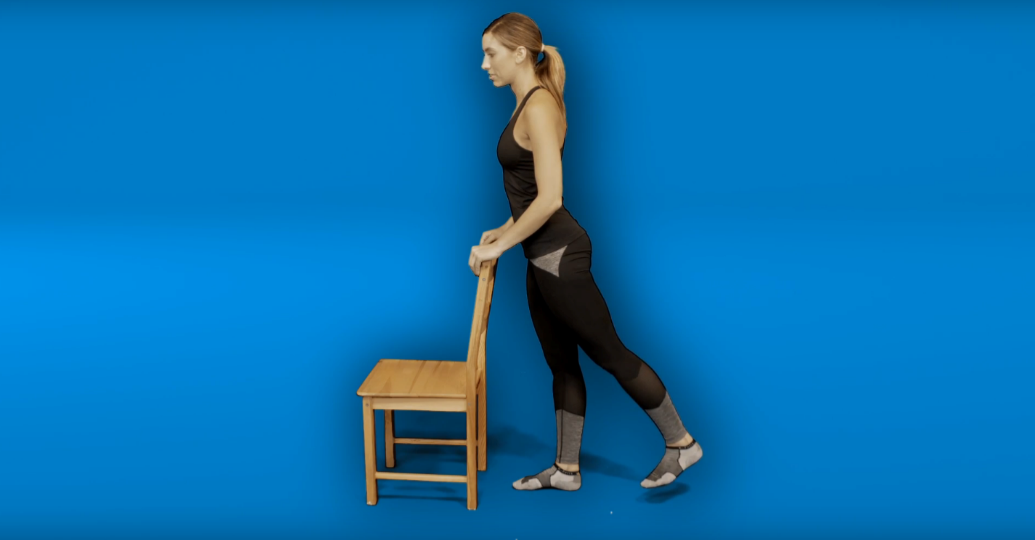
Video: Hip replacement recovery exercises
Peer reviewed by Dr Sarah JarvisLast updated by Lilly Sabri, MHPCLast updated 15 Dec 2017
Meets Patient’s editorial guidelines
- DownloadDownload
- Share
- Language
- Discussion
- Audio Version
- Add to preferred sources on Google
There are different types of hip replacement surgery depending on the injury, the severity of the injury and the surgeon performing the procedure. This leaflet is to be used only a guideline once you have discussed and confirmed with your surgeon and medical team that the exercises below are appropriate for you following your surgery.
The following exercises are recommended to help reduce swelling and pain, increase range of movement and strengthen the muscles around the hip joint and prevent future problems.
Playlist: Hip Replacement Recovery Exercises
5 videos
Hip Replacement Recovery - Range of Movements
Lilly Sabri, MHPC
Hip Replacement Recovery - Range of Movements
Lilly Sabri, MHPC
Hip Replacement: Hip Flexion with Lilly Sabri | Patient Physio
Lilly Sabri, MHPC
Hip Replacement: Isometric Exercise with Lilly Sabri | Patient Physio
Lilly Sabri, MHPC

Hip Replacement: Inner Range Quadriceps with Lilly Sabri | Patient Physio
Lilly Sabri, MHPC
Hip Replacement: Advanced Strengthening with Lilly Sabri | Patient Physio
Lilly Sabri, MHPC
Range of movement exercises
Please remember that these exercises can only be completed once cleared with your surgeon and medical team
.
Hip and knee flexion sitting on the floor
Sitting with your legs straight out in front of you, support your back if necessary.
Place a plastic bag under the heel and slide it towards your bottom, using your hands for support if necessary.
Slow and controlled, straighten leg back out to the starting position.
Repeat 10 times on each affected knee, twice daily.
Hip flexion/extension/abduction
In a standing position, support yourself by holding on to the back of a chair.
Flexion: stand sideways on to the chair and swing your leg forward, with the toes facing up towards the ceiling. Return the leg back to the start position.
Extension: stand facing towards the chair and, with a flexed foot, swing the leg behind you and return back to the start position.
Abduction: stand facing the chair and, with a flexed foot, lift the leg out to your side and back down.
Complete all exercises 10 times, twice daily.
Stretches for the muscles of the hip joint
Please remember that these exercises can only be completed once cleared with your surgeon and medical team
.
Quad stretch
Stand with your hands supported on the back of a chair.
Bend one knee and bring your foot towards your bottom.
Hook your hand around your ankle and pull the ankle closer towards the bottom to feel a stretch in the thigh muscle at the front of the leg.
Be sure to keep the knees touching.
Hold the stretch for 20 seconds; repeat three times on each side, twice daily.
Hip flexor stretch.
To simplify, either hold on to your trouser legs or place a towel or band around the ankle. This can also be completed lying on your side with the operated leg up.
Hamstring stretch
Sit upright in a chair with both your knees bent.
Straighten the operated leg as much as possible and flex your foot - toes to the sky
Take your body weight forward - DO NOT PASS 90° at the hip.
Strengthening for the hip muscles
Please remember that these exercises can only be completed once cleared with your surgeon and medical team
.
Isometric quads
This a simple but very effective exercise for people with very week quads (particularly after surgery).
Sitting on the floor, support your back and position your legs straight in front of you.
Start by pushing one knee down into the ground, feeling the quad (thigh) muscle activate.
Hold for 10 seconds and repeat 10 times on each leg, twice daily.
Inner range quads
Start sitting on the floor, support your back and position your legs straight in front of you.
Place a rolled-up hand towel underneath one knee.
Point your foot to the ceiling before pushing your knee down into the towel. You should feel your heel lift off the floor.
Hold for 10 seconds and repeat 10 times on each leg, twice daily.
Straight leg raise
A progression form the exercises above.
Sitting on the floor, support your back and position your legs straight in front of you.
Turn your foot outwards, push your knee down into the floor before lifting your leg off the ground 4-6 inches.
Hold for 10 seconds and repeat 10 times on each leg, twice daily.
Sit to stand
Start sitting on a chair.
Without using your hands for support, stand up from the chair and then sit back down again in a slow and controlled movement.
Complete this exercise 20 times.
As you improve, increase the number of repetitions gradually up to 50; you can also try this exercise from a lower chair.
Wall squat
Stand with your back to the wall.
Place your feet shoulder distance apart and away from the wall.
Slowly slide your hands down the wall as you lower your body into a squat position.
Do not allow the knees to buckle in by keeping the knees directly over the middle toes.
Hold for 10 seconds and repeat 10 times, twice daily.
If you do not have access to a wall, you can complete a standing squat, ensuring your knees stay in line with your middle toes, your weight is distributed back through your heels and your chest remains proud and open. If you get an increase in hip pain, you should stop and seek professional advice.
Static glutes
Sit on a chair with your back supported.
Clench your bottom muscles together and hold for 10 seconds. Repeat 10 times, twice daily.
Bridge
Lie on your back with your knees bent.
With your arms relaxed down by the side of your body, push through your feet and lift your pelvis upwards off the floor; in a slow and controlled movement, lower it back down. Make sure you feel your bottom muscles active as you lift your pelvis, by squeezing them together.
Complete this exercise 20 times, twice daily.
Patient picks for Surgery and procedures

Treatment and medication
The experiences of a vasectomised vasectomy surgeon
I can’t remember exactly how I got involved doing vasectomies. The outgoing senior partner used to do them at the practice I joined as a GP and I think as the new boy I was just expected to take over. I was packed off to the local vasectomy clinic to be trained.
by Dr Laurence Knott

Treatment and medication
How to prepare for surgery: pre-op checklist
Most of us will have surgery at least once in our lifetime. Whether it's a planned procedure or a more complex operation, preparing in advance can help you feel more confident and support a smoother recovery. Alongside following your healthcare team's advice, this pre-op checklist covers the key steps to take before the day of your surgery.
by Heather Ainsworth
About the authorView full bio

Lilly Sabri, MHPC
Physiotherapist, Personal Trainer
BSc Physiotherapy, MCSP, MHPC, MAACP, MACSPM
Lilly Sabri is a chartered Physiotherapist, APPI pilates instructor, fitness, health and lifestyle influencer and founder of #LeanWithLilly.
About the reviewerView full bio

Dr Sarah Jarvis
Clinical Consultant
MA (Cantab), BM, BCh (Oxon), DRCOG, FRCGP, MBE
After training in medicine at Cambridge and Oxford, Dr Sarah Jarvis MBE became a GP.
Article history
The information on this page is peer reviewed by qualified clinicians.
Article also available in English, German, Spanish, French, Italian, Portuguese, Hindi, Hebrew, Arabic, and Swedish.
15 Dec 2017 | Latest version
Join the conversation
Share your thoughts or experiences with others in our patient communities.

Ask, share, connect.
Browse discussions, ask questions, and share experiences across hundreds of health topics.

Feeling unwell?
Assess your symptoms online for free
Sign up to the Patient newsletter
Your weekly dose of clear, trustworthy health advice - written to help you feel informed, confident and in control.
By subscribing you accept our Privacy Policy. You can unsubscribe at any time. We never sell your data.
More in treatment and medication
- Can hair transplants improve mental health?
- Can hypnotherapy help insomnia?
- Earache relief: medicine and remedies
- How does Mounjaro work for weight loss?
- How physiotherapy can help people with lung conditions
- How safe is dermaplaning?
- How to prevent muscle loss on Mounjaro
- How to stop taking Mounjaro or switch to an alternative
- Hypnotherapy for IBS: the gut-brain axis
- The importance of learning CPR: Emma tells her story
- The power of nostalgia: what is Reminiscence Therapy?
- Unconventional healing: the rise of alternative therapies
- Wegovy pill: how does the new weight-loss tablet work?
- What factors are causing antimicrobial resistance?
- What is red light therapy? Benefits and risks
- What is transactional analysis therapy?
- What should you do if someone goes into cardiac arrest?
- What to expect from your pharmacy consultation
- Who is eligible for weight loss injections?
- Why we need to talk about breast implant illness