Wie Sie Ihre Sprache rund um die Menstruation inklusiver gestalten können
Begutachtet von Dr Sarah JarvisVerfasst von Emily Jane BashforthUrsprünglich veröffentlicht 14. Jan 2022
Erfüllt die Anforderungen des Patienten redaktionelle Richtlinien
- HerunterladenHerunterladen
- Teilen
- Language
- Diskussion
- Audio-Version
- Zu bevorzugten Quellen bei Google hinzufügen
Inklusive Sprache ist wirklich wichtig, besonders wenn es um Menstruation geht. Inklusive Sprache kann nicht nur helfen, das Stigma und die Scham abzubauen, die viele in Bezug auf ihre Periode empfinden, sondern ermöglicht auch denjenigen, die es benötigen, Zugang zu wichtigen Informationen und Ressourcen.
What kind of language is currently used around menstruation and why is it not inclusive?
Language used to describe periods shapes how society views them. Therefore, it's important that the words we use reflect the fact that periods are both normal and natural.
Currently, terms such as 'sanitary products' and 'feminine hygiene products' are ingrained into our society when discussing periods. However, Hannah Samano, founder of Unfabled, the UK's first cycle-care company, says this language is dangerous and holds people back.
She contends that this language implies that periods are dirty, as opposed to a natural bodily function.
"This also perpetuates the stigma surrounding periods and suggests that they shouldn't be discussed in public, resulting in people feeling unnecessarily embarrassed."
Samano adds that 58% of menstruators feel embarrassed by their period, which she considers an unacceptable statistic given that menstruators spend 3,000 days on average across their lifetimes menstruating.
"The inadequate consumer experience for menstrual care is compounding the stigma around periods. In a world where mainstream menstrual brands are garish and where sterile supermarket aisles labelled 'feminine hygiene' are often situated next to the pet food aisle, purchasing menstrual products just doesn't make people feel good. The more we commit to dismantling the stigma around menstrual health, the healthier and happier society will be as a whole," she says.
Samano further explains how periods are not the exclusive domain of biological women, and gendered language has a great impact.
"Cycle health can affect a wide range of people and it isn’t limited to one demographic or gender. By maintaining that menstrual health is a niche topic only for women, we prevent boys and men from understanding menstruation, and also exclude transgender, non-binary and gender-nonconforming people from accessing what they need."
Bloody Good Period is a charity fighting against period poverty, and they also explain that it's harmful to refer solely to females when talking about periods.
"Firstly, everyone needs to know about periods, not just women and girls. Secondly, some people who have periods don't identify as women, including trans men und non-binary folk. Everyone deserves to be, and should be, included in the conversation around periods," they say.
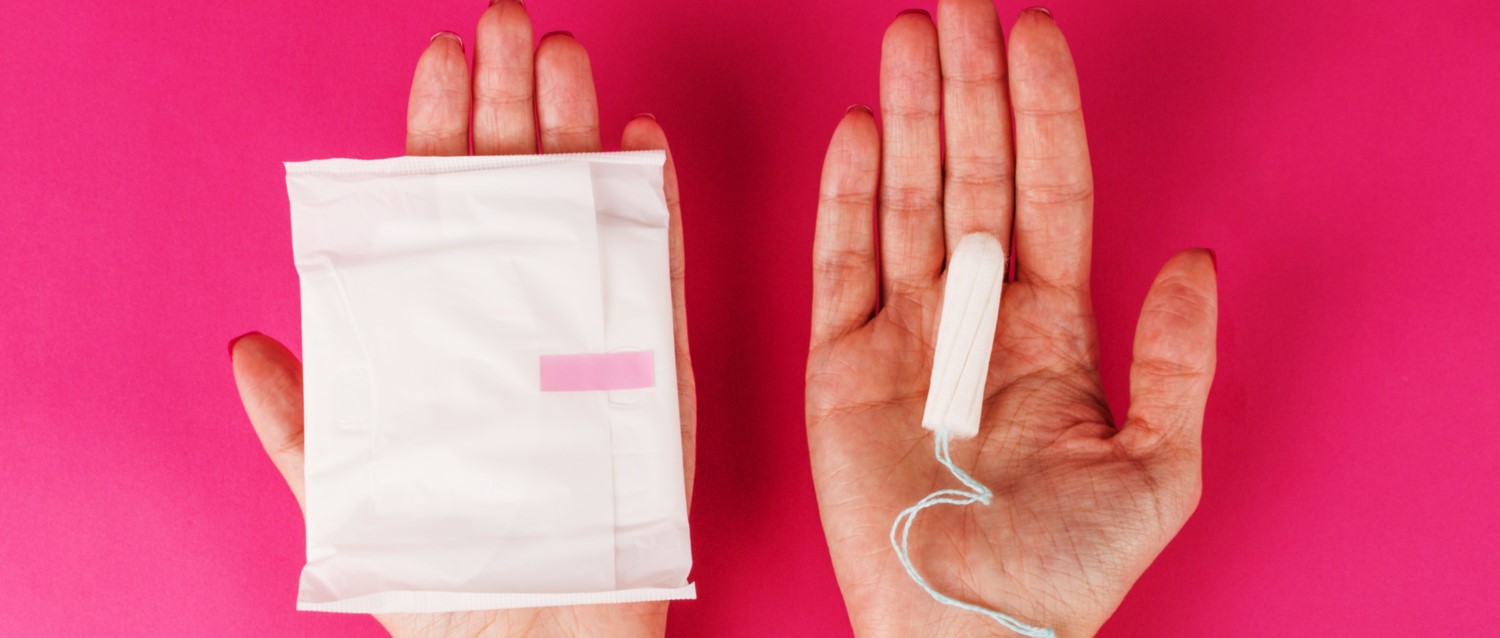
Bloody Good Period is also passionate about "straightforward period talk", and argue that calling pads and tampons exactly what they are - or referring to them as "period products" - helps to break down shame.
Who is affected by this non-inclusive language?
"The current language around menstruation that is used by society and the medical care system completely isolates non-binary people who may have periods and trans men who may still have periods. There's a strong tagline in the industry of "Not all women menstruate and not all who menstruate are women", and that is very true. Suggesting so invalidates certain people's lived experiences, and prevents them from accessing vital menstrual care products. Additionally, this restrictive language has the potential to cause Geschlechtsdysphorie amongst non-binary and trans people, and could cause further mental health issues," says Samano.
Furthermore, Bloody Good Period highlights the importance of transparency in period discussions, and stresses how we all need to listen and learn about the experiences of trans and non-binary people to talk inclusively about periods.
Why is it important for our language around menstruation and period products to be progressive?
"I think menstrual language has certainly not evolved in a long time. The language we're still using in 2022 needs to become more inclusive and heavily destigmatised so we can steer away from this idea that having a period is a 'clinical' process and unsanitary," says Samano.
Bloody Good Period adds that we need to encourage more open conversions around periods so no one has to suffer or head into their first period with no idea what to expect.
"We believe that everyone who has periods, and everyone who cares about someone who has periods, should be able to talk about this stuff. Everyone should have access to the information they need. No one should feel ashamed because of a biological process."
They add that the "walk of shame" should become a thing of the past, which means no more hiding pads in pockets or tampons up sleeves when going to the bathroom, since there's nothing embarrassing about taking a period product to the loo.
What are some of terms/phrases we should start incorporating into our language?
Samano goes on to discuss the euphemisms we've adopted to talk about periods.
"Referring to a period as 'that time of the month', or using phrases such as 'on the reds' is unnecessary, and it can actually create a more awkward atmosphere if you use a euphemism that someone doesn't understand," she says.
"We can alleviate this awkwardness and shame by using language that is straight-to-the-point and tells people exactly what it means. We should also be fully gender inclusive to ensure we don't isolate anyone."
A simple guide to inclusive period language
Instead of | Try saying |
Sanitary products | Period products/menstrual products |
Women who have periods | People who have periods/people who menstruate |
Feminine hygiene | Menstrual care/period supplies |
What about the people who are critical of more progressive language?
Samano says she has experienced backlash when trying to educate others on the importance of inclusive language.
"Our company has received quite heavy backlash following the talk around trans men and non-binary people having periods. I like to stress the importance of progressive language because it is helpful to everyone, not just one group of people. It's important to offer education to annihilate myths around health. For women, there can be a number of reasons why a woman doesn't have a period, such as weight struggles. When we expect all women to have periods, this can be damaging to those who identify as women."
She says that society fortunately seems to be evolving, and becoming more willing to embrace new ideas and accepting of inclusive language.
Hopefully this progress can continue - along with open conversations free of shame - to debunk myths and what we expect from typical gender roles.
Patientenauswahl für Perioden und Menstruationsprobleme
Frauengesundheit
Kann eine Ernährungsumstellung PMS verbessern?
Die Symptome des PMS sind häufig, aber sie variieren in ihrer Schwere und betreffen Menschen unterschiedlich. Sie können sogar Ihren Alltag beeinflussen. Hormone sind die Ursache für PMS, aber könnten bestimmte Lebensmittel helfen, Symptome wie schlechte Stimmung, Kopfschmerzen und Blähungen zu verbessern?
von Victoria Raw
Frauengesundheit
Schmerzhafte Perioden kosten Frauen jedes Jahr neun Tage Produktivität
Laut einer neuen Studie gehen jedes Jahr fast neun Tage Produktivität aufgrund von Menstruationssymptomen verloren.
von Milly Evans
Über den AutorVollständige Biografie anzeigen

Emily Jane Bashforth
Feature-Autorin
NCTJ
Emily ist Feature-Autorin bei Patient und schreibt Artikel zu verschiedenen Themen rund um Gesundheit und Wohlbefinden.
Über den RezensentenVollständige Biografie anzeigen

Dr. Sarah Jarvis
Klinische Beraterin
MA (Cantab), BM, BCh (Oxon), DRCOG, FRCGP, MBE
Nach ihrer medizinischen Ausbildung in Cambridge und Oxford wurde Dr. Sarah Jarvis MBE Hausärztin.
Artikelverlauf
Die Informationen auf dieser Seite werden von qualifizierten Klinikern begutachtet.
Artikel auch verfügbar in Englisch, Deutsch, Spanisch, Französisch, Italienisch, Portugiesisch, Hindi, Hebräisch, Arabisch, und Schwedisch.
14. Jan 2022 | Ursprünglich veröffentlicht
Verfasst von:
Emily Jane BashforthBegutachtet von
Dr. Sarah Jarvis

Fragen, teilen, verbinden.
Durchsuchen Sie Diskussionen, stellen Sie Fragen und teilen Sie Erfahrungen zu Hunderten von Gesundheitsthemen.

Fühlen Sie sich unwohl?
Bewerten Sie Ihre Symptome online kostenlos
Abonnieren Sie den Patienten-Newsletter
Ihre wöchentliche Dosis klarer, vertrauenswürdiger Gesundheitsberatung - geschrieben, um Ihnen zu helfen, sich informiert, selbstbewusst und in Kontrolle zu fühlen.
Durch das Abonnieren akzeptieren Sie unsere Datenschutzrichtlinie. Sie können sich jederzeit abmelden. Wir verkaufen Ihre Daten niemals.
Mehr zur Frauengesundheit
- Erleben Sie die Perimenopause?
- Wie lange sollte man warten, bevor man ein zweites Kind bekommt
- Wie man mit metastasierendem Brustkrebs umgeht
- Wie man Lichen sclerosus und genitalen Juckreiz behandelt
- Wird die Schmerzen von Frauen ernst genommen?
- Ist Ihre PMS-Depression wirklich PMDD?
- Wechseljahre-Videos
- Sollten Sie eine Menstruationstasse kaufen? Umweltfreundliche Periodenprodukte
- Einfache Möglichkeiten zur Vorbeugung von Scheidenpilz
- Das weibliche Fortpflanzungssystem
- Video: Woran erkennen Sie, dass Sie in die Wechseljahre kommen?
- Was sind die Nebenwirkungen der HRT?
- Was kann einen unangenehmen Geruch der Vagina nach dem Sex verursachen?
- Was verursacht starke Menstruationsblutungen und abnormale vaginale Blutungen?
- Wie es ist, eine Beckenentzündung zu haben
- Was Ihr vaginaler Geruch bedeuten könnte
- Was ist der Zusammenhang zwischen PCOS und Diabetes?
- Warum wir über Brustimplantat-Krankheit sprechen müssen
- Warum Sie Ihren Menstruationszyklus verfolgen sollten
- Wird HRT für die Menopause bald rezeptfrei erhältlich sein?