Are period blood clots normal?
Peer reviewed by Dr Sarah JarvisAuthored by Sarah GrahamOriginally published 25 Apr 2019
Meets Patient’s editorial guidelines
- DownloadDownload
- Share
- Language
- Discussion
- Audio Version
- Add to preferred sources on Google
Ever wondered what those icky-sticky, thick clumps of blood in your period are? They're known as menstrual clots, or period blood clots, and they're formed from a mixture of blood cells, tissue from the lining of the womb, and proteins from your blood.
Are period blood clots normal?
Firstly, it's important to be aware that everyone has period blood clots to some extent, and it's not necessarily a sign that anything's wrong.
"Usually clots occur when the flow is a little bit heavier - generally the first two days of your period," Dr Vanessa Mackay, spokesperson for the Royal College of Obstetricians and Gynaecologists (RCOG) explains. "When you're bleeding heavily, the blood pools inside your vagina and it clots, much as it would do if you were bleeding elsewhere."
Are period blood clots dangerous?
Like many things to do with gynaecological health, what's considered 'normal' varies from one person to the next - so you might regularly experience heavy bleeding with clots, while your best friend might have a much lighter flow and rarely ever get any clotting.
The key thing here is knowing what's normal for you, and that you only need to contact your doctor about period blood clots if you're worried about them in any way.
"If it changes significantly from what's normal for you - so you suddenly get much bigger or more frequent clots - that might be a sign of something else," Mackay says.
"A way to check for that would be if you're having to change your sanitary product every hour or two, needing to wear pads and tampons together, or if the clots are larger than, say, a ten pence piece," she explains. "Anything that suggests your period's got a lot heavier than normal might be an indication you need to see your doctor."
What causes period blood clots?
Even if you've noticed a change, rest assured that there's still not necessarily any reason to panic.
"For most women, about 70%, there is no underlying cause or reason for heavier bleeding and bigger or more frequent menstrual clots," Mackay says.
There are, however, certain conditions that could be causing it, so it's important to see your doctor and get it checked, so that these can be ruled out.
Fibroids
Uterine fibroids are non-cancerous growths of the womb, which can cause heavy, painful periods.
Pelvic inflammatory disease (PID)
Infections like pelvic inflammatory disease can also cause abnormal bleeding.
Polyps
Endometrial polyps are non-cancerous growths in the lining of the womb, and can also cause heavier periods.
Endometriosis
Endometriosis is a condition where tissue similar to endometrial tissue is found outside the uterus, which frequently causes painful, heavy periods with period blood clots.
Blood clotting disorders
A blood clotting disorder might also cause frequent and large period blood clots.
Womb cancer
Heavy bleeding and clotting could, of course, also be a sign of something more sinister, like womb or uterine cancer - although, as Mackay points out: "That's very rare before the menopause."
Period blood clot treatment
If heavy menstrual bleeding is negatively impacting your life, your doctor may suggest hormonal contraception, like the contraceptive pill or the Mirena coil, to help lighten your monthly bleed.
The pill is traditionally taken for 21 days, followed by a seven-day break, during which time you have what's known as a 'withdrawal bleed', similar to a period. Alternatively though, you can choose to take the pill continuously without a break, or take it for several months at a time followed by a break. If you are taking several packs back-to-back, followed by a pill break, this may cause your withdrawal bleed to be heavier, with more period blood clots, than usual - or it may have the opposite effect.
"It's difficult because there are so many variables - it's hard to say exactly what's normal or abnormal, or what to expect," Mackay says. "Your weight has an influence, which hormones you're taking, where you are in your cycle, all of these things."
Finally, any unscheduled heavy bleeding and clotting, when you're not expecting your period, could signal a very early miscarriage.
"If generally you have regular periods, and suddenly you have a very unscheduled bleed that's quite heavy, you should take a pregnancy test. If the test is positive, that would alert you to the fact that perhaps it's a very early pregnancy loss rather than just a heavy period," Mackay explains.
Patient picks for Periods and period problems

Women's health
How to delay your period - is it safe to take norethisterone?
Periods are a normal and healthy part of life, but there are times when we've all wished they wouldn't arrive. There are a number of ways to delay your period for a holiday or special event, including taking a medication called norethisterone. But is it safe?
by Lydia Smith
Women's health
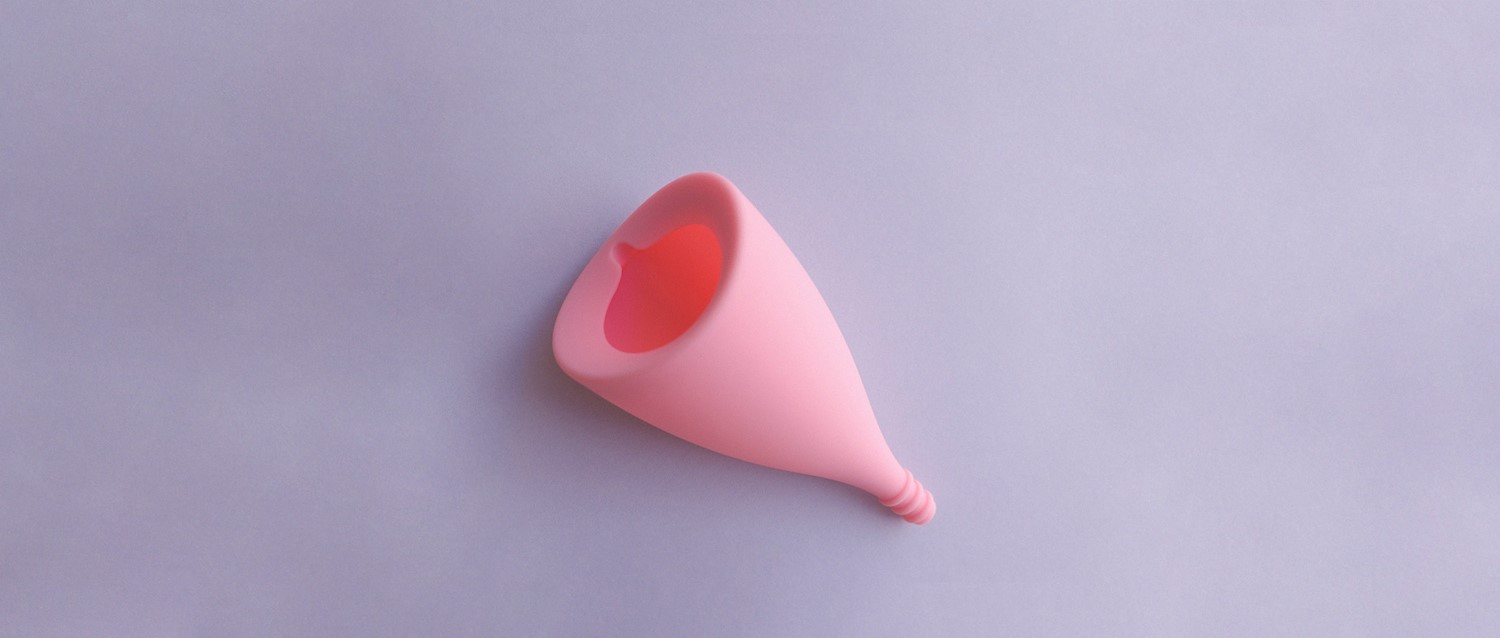
Should you buy a menstrual cup? Eco-friendly period products
Disposable pads and tampons generate more than 200,000 tonnes of waste per year, dumped in landfills, clogging sewers and eventually ending up in the ocean. And it's been estimated that the average British woman spends as much as £18,450 on their periods over the course of their lifetime. We explore the environmentally friendly menstrual products that could be good for your wallet, as well as the planet.
by Georgia Gallant
About the authorView full bio

Sarah Graham
Freelance health journalist
MA, Newspaper, Journalism
Sarah Graham is an award-winning freelance health journalist, and founder of the feminist women's health blog Hysterical Women.
About the reviewerView full bio

Dr Sarah Jarvis
Clinical Consultant
MA (Cantab), BM, BCh (Oxon), DRCOG, FRCGP, MBE
After training in medicine at Cambridge and Oxford, Dr Sarah Jarvis MBE became a GP.
Article history
Article also available in English, German, Spanish, French, Italian, Portuguese, Hindi, Hebrew, Arabic, and Swedish.
25 Apr 2019 | Originally published
Authored by:
Sarah GrahamPeer reviewed by
Dr Sarah Jarvis
Join the conversation
Share your thoughts or experiences with others in our patient communities.

Ask, share, connect.
Browse discussions, ask questions, and share experiences across hundreds of health topics.

Feeling unwell?
Assess your symptoms online for free
Sign up to the Patient newsletter
Your weekly dose of clear, trustworthy health advice - written to help you feel informed, confident and in control.
By subscribing you accept our Privacy Policy. You can unsubscribe at any time. We never sell your data.
More in women's health
- Does the contraceptive pill increase your risk of blood clots?
- Endometriosis videos
- Free morning-after pill now available at UK pharmacies
- How long do the symptoms of menopause last?
- How to deal with your period at a festival
- How to have a more eco-friendly period
- Is adenomyosis the cause of your heavy, painful periods?
- Pelvic pain: a woman's guide to common causes
- Quiz: When will I get my first period?
- Real stories: How to manage endometriosis and your career
- Should you consider the copper coil for emergency contraception?
- Simple ways to help prevent vaginal thrush
- Video: Are fibroids cancerous?
- What does a women's health physiotherapist do?
- What is post-birth control syndrome?
- What it's like to be a breast surgeon with breast cancer
- What it's like to go through the menopause when you have HIV
- When will I become fertile again after coming off contraception?
- Why you should be tracking your period
- Will HRT for menopause soon be free over the counter?