Episode 1 - Neuroscience & your Brain by Lorien
Published 26 Nov 2026
Erfüllt die redaktionelle Richtlinien
Watch this video
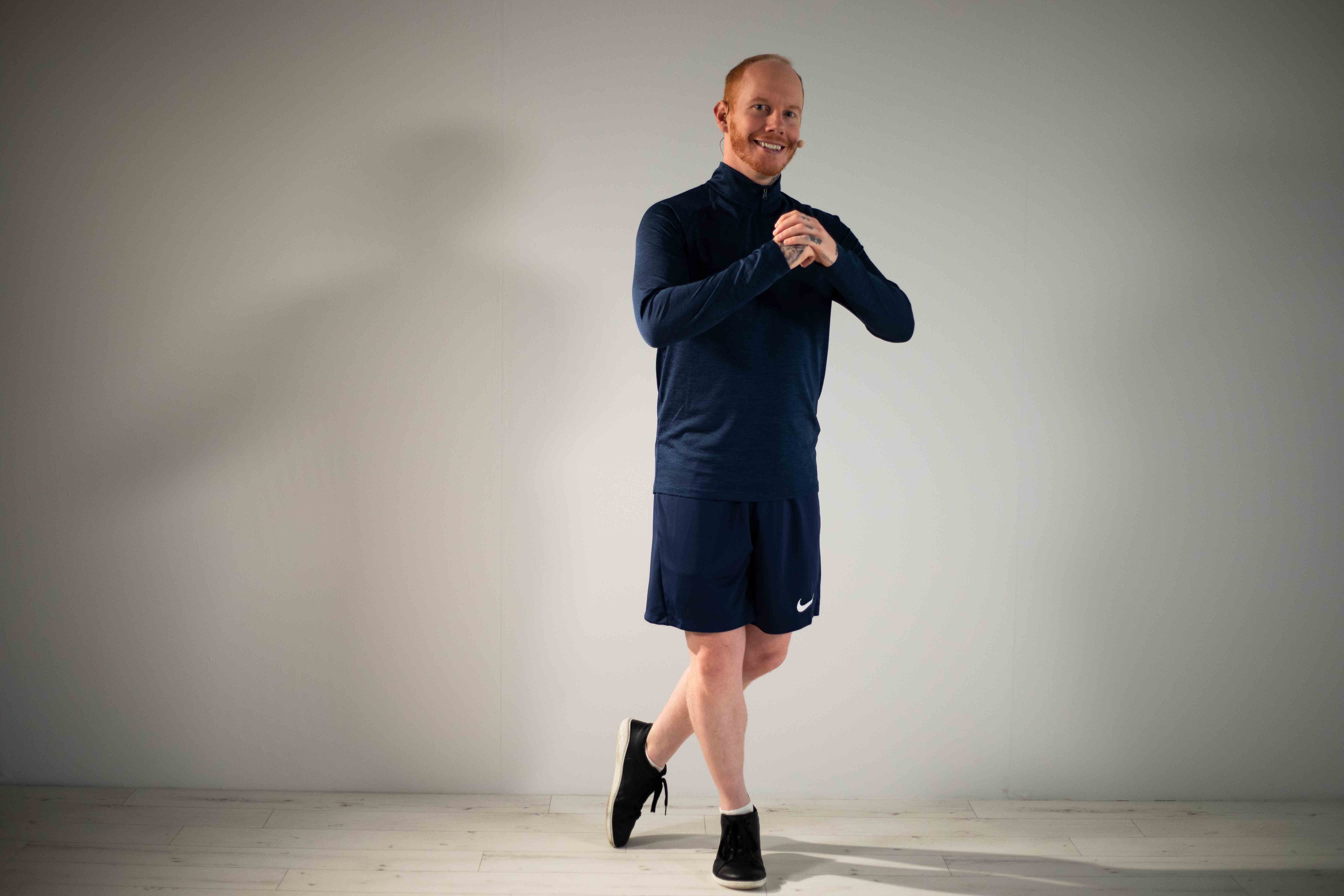
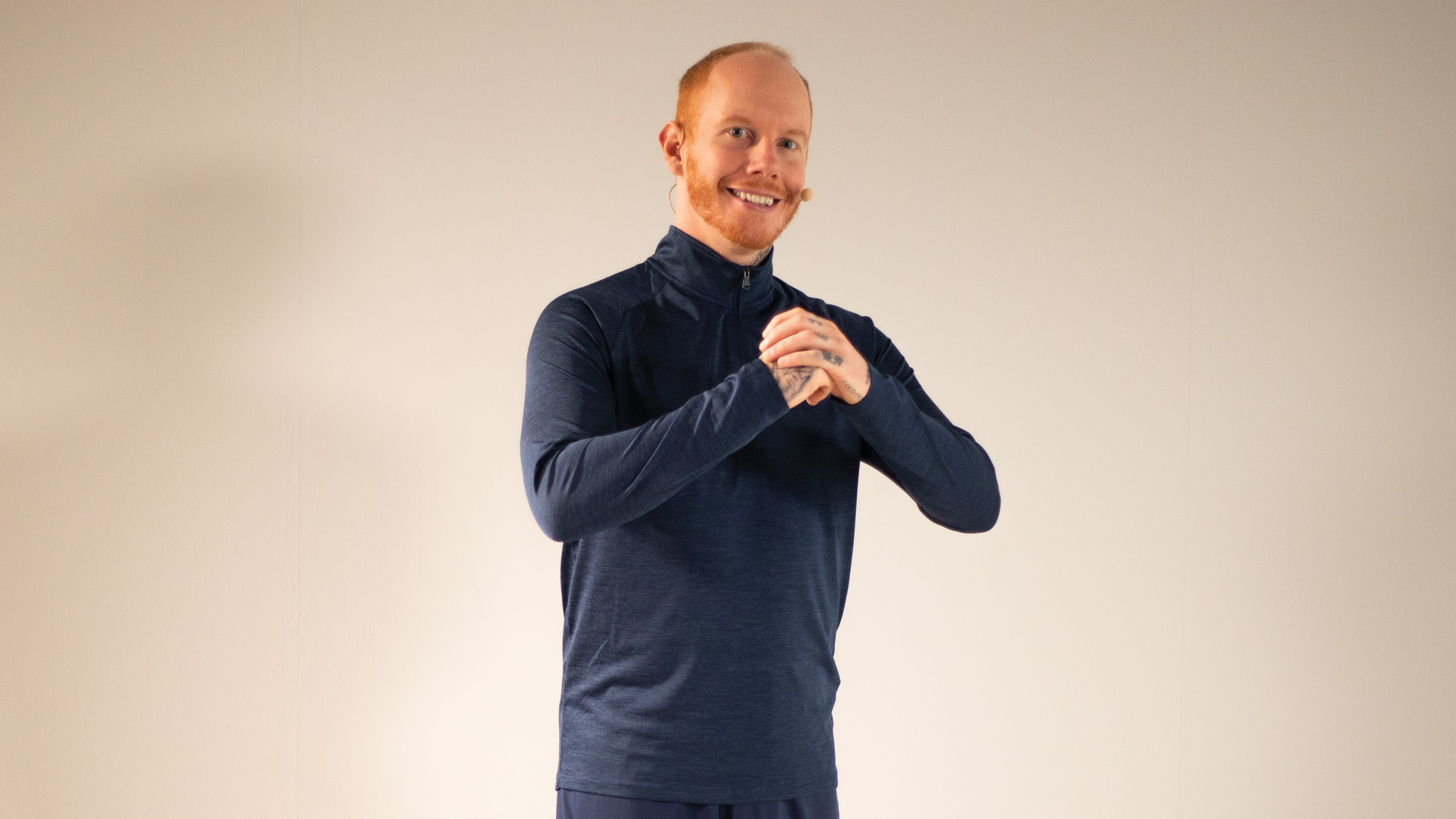
Can we really change and why does this matter? In this session, Lorien explores how neuroscience research has shown how the brain can continually adapt to new situations and circumstances, and how we can apply change to be the best versions of ourselves.
Video details

Psychische Gesundheit
Is your house haunted? The science behind sleep paralysis
Have you ever woken in the middle of the night, certain there’s someone standing at the end of your bed, but found yourself unable to move or call for help? Perhaps you’ve sensed a dark figure in the corner of your room, felt pressure on your chest, or heard strange noises that seem to come from nowhere. It might sound like the plot of a classic ghost story. But there’s a scientific explanation for these frightening experiences - sleep paralysis. With Halloween approaching, we explore what happens during sleep paralysis, why some people see or sense a presence in their bedroom, and what you can do to reduce the chances of it happening again.
von Thomas Andrew Porteus, MBCS
Psychische Gesundheit
Mind and body control - how to channel your ‘internal telekinesis’
The dark nights have arrived, and right on cue, Mike Flanagan has turned his attention to one of Stephen King’s most iconic tales of teenage torment and supernatural terror... Carrie. The story of a schoolgirl with telekinetic powers - the fictional ability to move objects using the mind alone - has gripped our morbid imaginations for decades. Little wonder, then, that this horror classic is getting a new lease of life in a television adaptation. But while we ourselves may not be able to bend spoons or move furniture, we do possess our own real-world form of ‘internal-telekinesis’. Through mental focus and controlled breathing, we can influence our heart rate and help calm an overworked nervous system.
von Hannah Boynton-Forshaw
Video-Bibliothek für Gesundheit und Wohlbefinden
Gehirn- und Nerven-Videos
Explore our video library covering key brain and nerves health issues. From headaches to strokes and TIAs, our videos offer clear guidance to help you understand your body and take charge of your health.
von Victoria Raw
Gesundes Leben
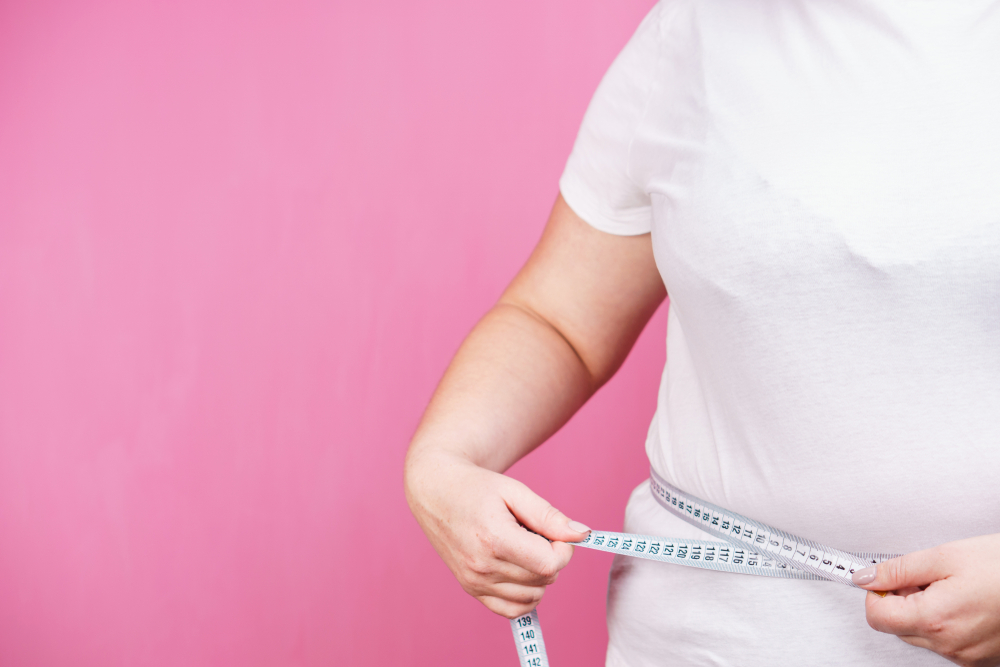
How modern life affects your weight - beyond diet and exercise
If our bodies are designed to regulate our weight, why are more people living with obesity than ever before? Our genes haven't changed significantly over recent decades, but our environment, lifestyles, and individual biology all influence how our bodies regulate hunger, burn energy, and store fat. Understanding these factors can help explain why managing weight is more difficult for some people than others, even when they're trying to make healthier choices.
by Dr Caroline Butler

Ernährung und Diät
Wie Darmbakterien die Stimmung, Konzentration und Gehirngesundheit beeinflussen
Es gibt aufkommende wissenschaftliche Erkenntnisse, dass das Darmmikrobiom die Gehirngesundheit beeinflussen kann – von Stimmung und Konzentration bis hin zu neurologischen Erkrankungen wie Multipler Sklerose und Parkinson. Wir fragen die Experten nach diesem Zusammenhang und wie man die Darmbakterien am besten pflegt, um die Gehirngesundheit zu unterstützen.
von Sally Turner

Psychische Gesundheit
Warum unsere Gehirne von schlechten Nachrichten fasziniert sind
In einer Welt, in der jedes globale und lokale Ereignis durch soziale Medien und 24-Stunden-Nachrichtenzyklen verstärkt wird, scheint das Abschalten nahezu unmöglich. Sensationalisierte Schlagzeilen dominieren unsere Feeds und lassen positive Geschichten oft unbeachtet. Dieser ständige Informationsstrom kann überwältigend und sogar schädlich für unsere mentale Gesundheit sein. Aber warum sind wir darauf programmiert, uns mehr auf schlechte Nachrichten als auf gute zu konzentrieren?
von Victoria Raw
Teilen Sie Ihre Gedanken oder Erfahrungen mit anderen in unserem Patientengemeinschaften.