How to delay a period
Peer reviewed by Dr Rachel Hudson, MRCGPLast updated by Dr Toni Hazell, FRCGPLast updated 14 Nov 2024
Meets Patient’s editorial guidelines
- DownloadDownload
- Share
- Language
- Discussion
- Audio Version
- Add to preferred sources on Google
In this series:Periods and period problemsMissed periodsHeavy periodsPremenstrual syndromeFibroidsEndometrial biopsy
Some women may wish to delay a period. This may be if a period is due at a time that would be inconvenient - for example, on a holiday or during an exam.
At a glance
Some women may wish to delay their period for special occasions.
You can ask a healthcare professional about methods to delay a period.
If you take the combined oral contraceptive pill, you can often skip the 7-day break between packs.
If not on the pill, a doctor can prescribe hormone tablets like norethisterone or medroxyprogesterone.
These hormone tablets are not a form of contraception.
Always talk to a doctor to ensure the method is safe and suitable for you.
There are times when some women may want to delay their period. For example, their period may be due at a time that would not be convenient for them, such as when they are going on a special holiday, or they are taking an exam, etc. If this is the case, you can ask a healthcare professional how to delay a period - this will usually involve taking period delay tablets.
Women taking the combined oral contraceptive pill
If you are taking a fixed-dose combined oral contraceptive (COC) pill (often just called 'the pill') then simply start the next pack without the usual seven-day break. Taking two packs back-to-back in this way is safe if it is done occasionally and it is now recommended as a standard way to take the pill - this is known as tailored pill taking.
A woman can take two or three packets back to back and then just have a four day break, or can take the pill continuously. Whilst this is not within the licence of the drug, it is commonly recommended and is called a 'tailored regime'. This is not generally advised with multiphasic pills (where not all the pills in a pack have the same dose of hormones). Multiphasic pills are not commonly used in the UK. If it is multiphasic, usually the colour of the pill or the packet will not be the same throughout the month.
See the article called Is it safe to skip your period on the pill?
How does this work?
Women taking 'the pill' do not have normal periods, caused by the hormone changes in the menstrual cycle. Rather, they are withdrawal bleeds which occur when the oestrogen in the pill is not taken. The hormones in the pill help to sustain the lining of the womb (uterus). The withdrawal bleed will not normally occur until the pill is stopped and the level of hormone in the body falls (usually once a month in the seven-day break between pill packs).
If you are not already taking 'the pill' then you may consider starting it if it is likely to be a suitable contraceptive for you in the future. You will have to start it a few weeks before your holiday though to ensure you do not have a period when you are away. You will need to see a healthcare professional to start the pill (this can be in person or remotely) - they will check your medical history and will need to know your blood pressure, height and weight. Some women cannot take the combined pill for safety reasons, this includes smokers aged over 35 and those who have a particular type of migraine called migraine with aura. This is because taking combined hormonal contraception in these circumstances gives an unacceptably high risk of blood clots.
Everything that we have said about the combined pill also applies to the combined contraceptive patch and vaginal ring.
Women not taking the combined oral contraceptive pill
If you are not taking the COC pill ('the pill') then a hormone tablet (progestogen) called norethisterone can be prescribed. The dose is one tablet (5 mg) three times a day. You start three days before a period is due. It can be continued until you want to have a period. Your period will then normally begin 2-3 days after stopping it. It can be taken for up to 3-4 weeks if necessary. This is only for use on an occasional basis for special events, rather than something to be taken regularly.
Norethisterone is normally safe to take. However, if you have an increased risk of having a deep vein thrombosis (DVT) this method may not be suitable for you. Your doctor will be able to discuss this with you. Some women have side-effects such as bloating, stomach upset, breast discomfort and reduced sex drive (libido).
A different hormone (progestogen) medicine called medroxyprogesterone acetate may be advised instead of norethisterone because of it has a lower risk of causing a DVT. Many doctors now use medroxyprogesterone as a first-line medication to delay periods, instead of norethisterone.
How does this work?
Norethisterone is a progestogen hormone. Progestogens are hormones that sustain the lining of the womb (uterus). Normally at the time before a period there is a fall in the level of progestogen hormone in the body. When it falls below a certain level, the lining of the womb is shed as a menstrual period. By taking norethisterone tablets (progestogen) the lining of the uterus is sustained until the tablet is stopped. Note: norethisterone taken in this way is not a contraceptive.
Patient picks for Periods and period problems

Women's health
Period pain
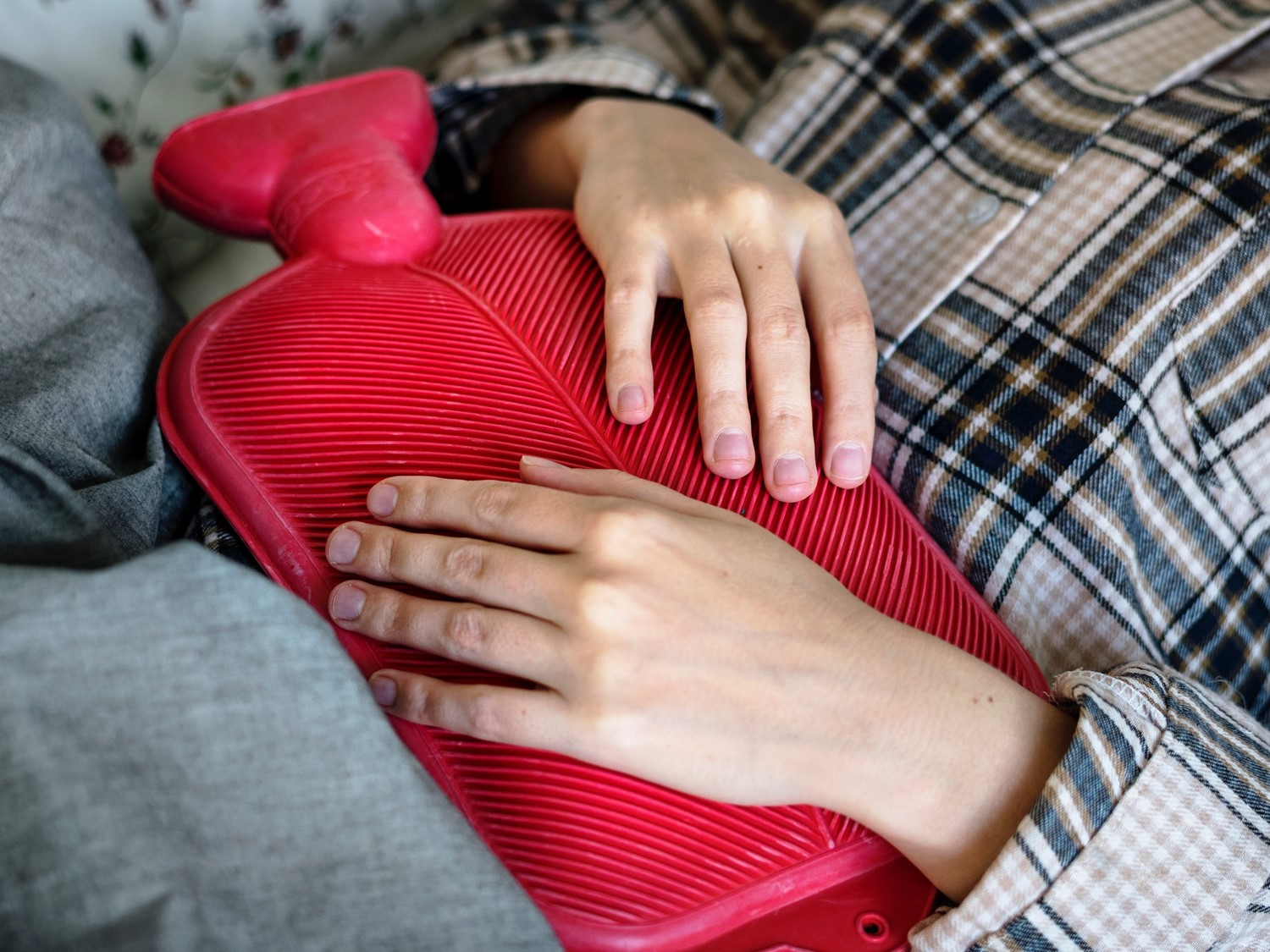
Most women have some pain during periods. The pain is often mild but, in about 1 in 10 women, the pain is severe enough to affect day-to-day activities. The pain can be so severe that they are unable to go to school or work. Doctors may call period pain 'dysmenorrhoea'. Period pain is one type of pelvic pain.
by Dr Doug McKechnie, MRCGP
Women's health
Periods and period problems
Starting to have periods is part of growing up. Periods start to occur around the same time as other changes happen to the body, such as starting to develop breasts or to grow pubic hair. The average age to start periods is 13 but it is normal to start at any time between the ages of 9 and 15. A small number of girls may start before or after this. Periods continue until the menopause which is usually around the age of 50 years.
by Dr Hayley Willacy, FRCGP
Frequently asked questions
Can I use norethisterone if I am using other forms of contraception like a mini pill or an implant?
The article discusses norethisterone for women not taking the combined oral contraceptive pill. It also states that norethisterone taken to delay a period is not a contraceptive method in itself. The information provided does not cover whether it can be used alongside other contraceptive methods like the mini pill or an implant.
What are the common side effects of norethisterone?
Some women who take norethisterone may experience side effects such as bloating, an upset stomach, discomfort in their breasts, and a reduced sex drive (libido).
How long can I continue to delay my period with norethisterone?
Norethisterone can be taken for up to 3-4 weeks if needed to delay a period. It is intended for occasional use for special events rather than regular use.
If I am already on the combined oral contraceptive pill, how do I know if my pill is a fixed-dose combined oral contraceptive pill or a multiphasic pill?
Fixed-dose combined oral contraceptive pills have the same dose of hormones throughout the pack. Multiphasic pills have different doses of hormones at different points in the cycle. If your pill is multiphasic, usually the colour of the pills or the packaging will not be the same throughout the month.
How soon will my period start after I stop taking norethisterone?
After you stop taking norethisterone, your period will normally begin within 2-3 days.
Further reading and references
- FSRH Clinical Guidance: Combined Hormonal Contraception; Faculty of Sexual and Reproductive Healthcare (January 2019 - amended October 2023)
- Choosing a medicine to delay periods; Specialist Pharmacy Service 2024
About the authorView full bio

Dr Toni Hazell, FRCGP
MBBS, BSc, FRCGP, DFSRH, Dip GU med, DRCOG, DCH (London, UK, 2000)
Dr. Toni Hazell qualified from St. Mary’s Hospital Medical School and did her VTS at Northwick Park Hospital.
About the reviewerView full bio
Dr Rachel Hudson, MRCGP
General Practitioner and Medical Author
MBChB, MRCGP (2008), BSc (Medical Science), DFSRH, DRCOG, DCH
Dr Rachel Hudson, is an NHS GP working in the North West of England.
Article history
Article also available in English, German, Spanish, French, Italian, Portuguese, Hindi, Hebrew, Arabic, and Swedish.
Next review due: 13 Nov 2027
14 Nov 2024 | Latest version
Join the conversation
Share your thoughts or experiences with others in our patient communities.

Ask, share, connect.
Browse discussions, ask questions, and share experiences across hundreds of health topics.

Feeling unwell?
Assess your symptoms online for free
Sign up to the Patient newsletter
Your weekly dose of clear, trustworthy health advice - written to help you feel informed, confident and in control.
By subscribing you accept our Privacy Policy. You can unsubscribe at any time. We never sell your data.