
From bliss to blame
Why does this happen and tips on how to navigate your way through it.
Verfasst von Thomas Andrew Porteus, MBCSUrsprünglich veröffentlicht 8. Feb. 2026
Erfüllt die redaktionelle Richtlinien
- HerunterladenHerunterladen
- Teilen
- Language
- Diskussion
- Audio-Version
- Zu bevorzugten Quellen bei Google hinzufügen
Have you ever found yourself thinking, ‘What on earth was I doing? This person is all wrong for me’, when only a few months ago they seemed perfect? How did that feeling of bliss when you’re finishing each other’s sentences and laughing at the same jokes turn to irritation, resentment and blaming them for everything that’s wrong?
Clare and Aileen help you understand the natural cycle from falling-in-love bliss to relationship blame, why it happens, and how to navigate your way through it.
Falling in love can feel like stepping into a different world. There is chemistry, excitement and a sense that you have finally found the person who understands you. You might feel complete, spend all your time together and wonder whether this could be the beginning of the rest of your life. But the intensity of this early ‘bliss’ doesn't last forever – and when everyday life and differences begin to emerge, that bliss can sometimes turn into blame.
In this episode of the Sex and Relationships Podcast, Clare Prendergast and Aileen Gonsalves explore what happens when relationships move from bliss to blame. They look at why the differences that initially attracted us to someone can later become the very things that irritate us. One person might be a saver while the other spends; one might be a talker while the other needs time to reflect. Rather than seeing difference as a problem, they explore how recognising and valuing those differences can be part of building a healthy relationship.
They also look at some of the ways blame can become entrenched – from recruiting friends and family to take our side, to resentment, criticism and keeping score. Clare and Aileen discuss how communication, honest conversations and regular check-ins can help couples interrupt these patterns. They suggest focusing on what each person wants, listening to what the other is saying and looking for solutions that work for both people, rather than automatically turning to compromise.
The conversation also considers an important possibility: sometimes a relationship may need to end. Being willing to acknowledge that possibility doesn't necessarily mean a relationship will end; Clare suggests that allowing it into the conversation can create space to look honestly at what needs to change. They discuss the value of seeking support before resentment and unhelpful behaviours become deeply entrenched, and how the work we do on ourselves and our relationships can remain valuable even if a partnership eventually comes to an end.
Ultimately, the episode challenges the idea that a successful relationship means staying permanently in the bliss of the beginning. Relationships change as people change. The goal isn't necessarily to recreate the first rush of falling in love, but to understand the different phases a relationship can move through – and to consciously do the work of finding your way back to connection when things become difficult.
Patientenauswahl für Der Sex- und Beziehungspodcast
Podcasts
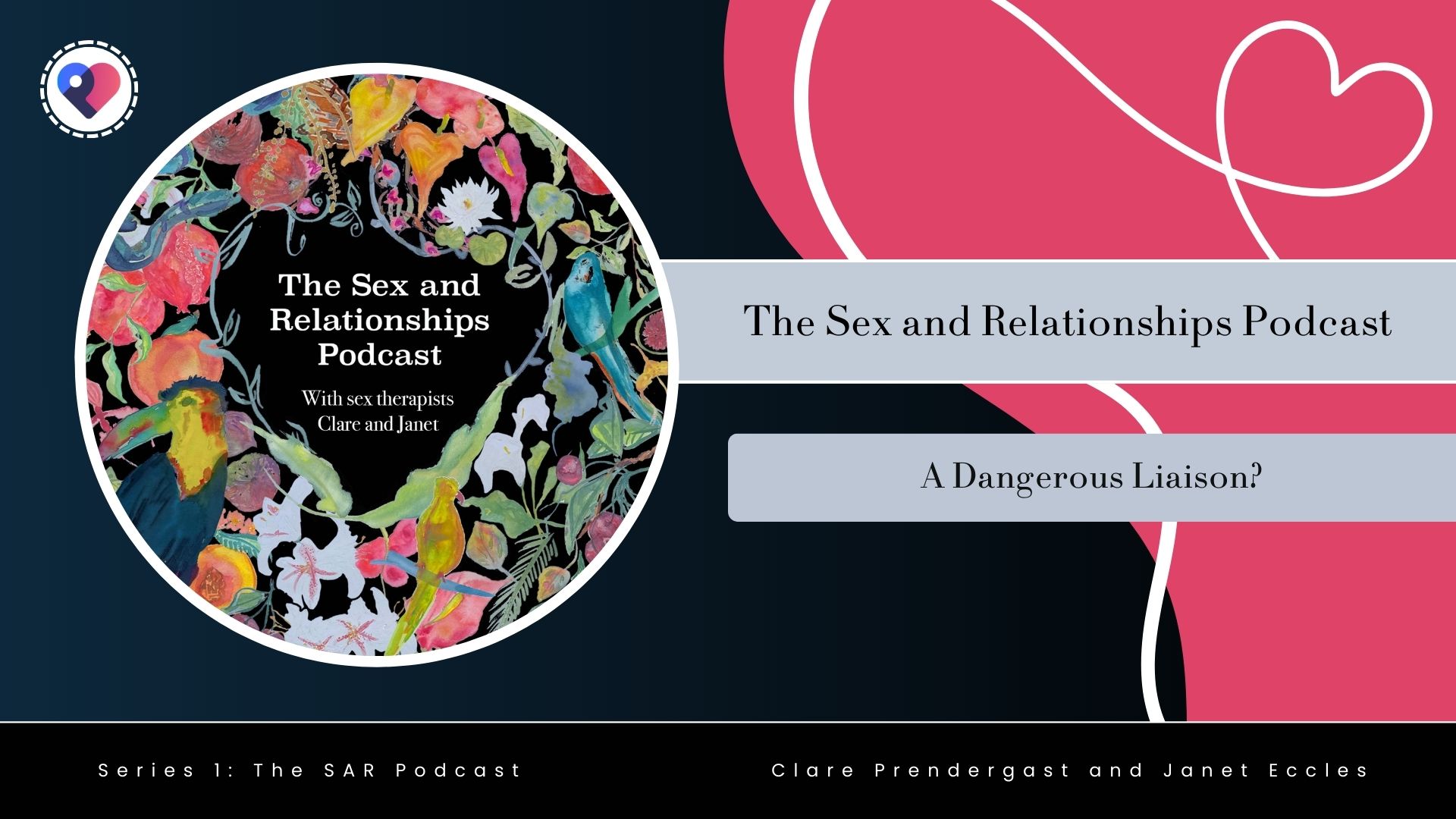
A dangerous liaison?
Was passiert, wenn einer von euch beschließt, außerhalb der Beziehung Sex zu haben? (mit oder ohne Zustimmung). Warum kommt es zu Nicht-Monogamie und wie geht man mit den Folgen eines Betrugs um.
von Thomas Andrew Porteus, MBCS
Podcasts
Green eyes
Have you ever had that knot in your stomach when your partner is spending a lot of time with someone else, or that emotional reaction when a colleague gets promoted over you? Then it’s likely you’ve experienced this week’s topic: jealousy. In this episode, Clare and Aileen discuss what jealousy is, where it comes from and tips on what you can do about it. They will give you a set of tools to help you work with your jealous emotions in a better way when you feel them welling up inside you.
von Thomas Andrew Porteus, MBCS
Über den AutorVollständige Biografie anzeigen
Verfasst von

Thomas Andrew Porteus, MBCS
HealthTech
MBCS
Thomas schreibt, um Praxisleiter und Gesundheitsfachkräfte zu informieren, zu inspirieren und auszustatten, die sich im Wandel befinden, basierend auf zwei Jahrzehnten praktischer Arbeit im britischen Gesundheitssystem.
Artikelverlauf
Artikel auch verfügbar in Englisch, Deutsch, Spanisch, Französisch, Italienisch, Portugiesisch, Hindi, Hebräisch, Arabisch, und Schwedisch.
8. Feb. 2026 | Ursprünglich veröffentlicht
Verfasst von:
Thomas Andrew Porteus, MBCS
Nehmen Sie an der Diskussion teil
Teilen Sie Ihre Gedanken oder Erfahrungen mit anderen in unserem Patientengemeinschaften.

Fragen, teilen, verbinden.
Durchsuchen Sie Diskussionen, stellen Sie Fragen und teilen Sie Erfahrungen zu Hunderten von Gesundheitsthemen.

Fühlen Sie sich unwohl?
Bewerten Sie Ihre Symptome online kostenlos
Abonnieren Sie den Patienten-Newsletter
Ihre wöchentliche Dosis klarer, vertrauenswürdiger Gesundheitsberatung - geschrieben, um Ihnen zu helfen, sich informiert, selbstbewusst und in Kontrolle zu fühlen.
Durch das Abonnieren akzeptieren Sie unsere Datenschutzrichtlinie. Sie können sich jederzeit abmelden. Wir verkaufen Ihre Daten niemals.