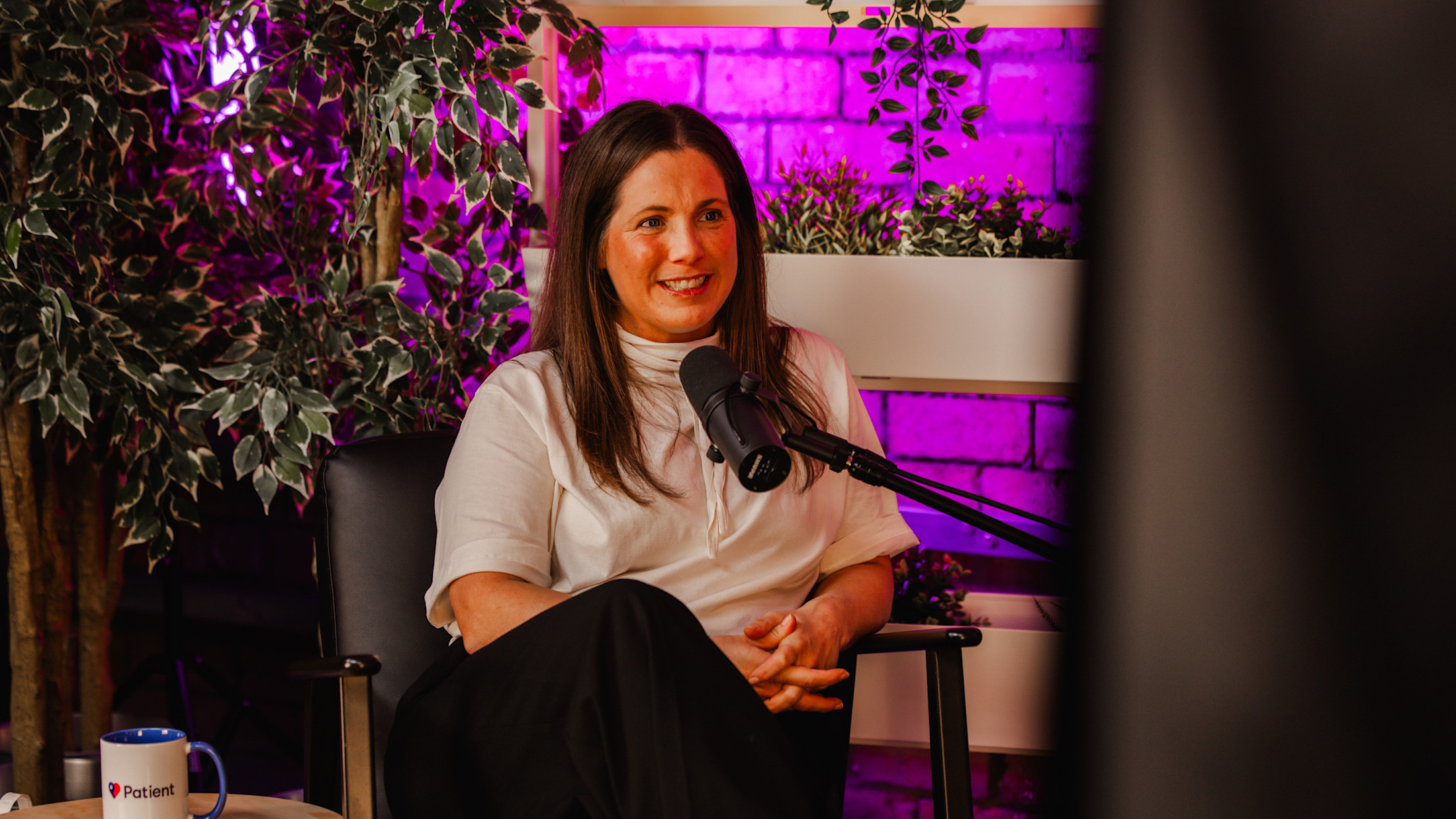
Lindsey Burrow on love, caregiving and life after loss
Authored by Thomas Andrew Porteus, MBCSOriginally published 13 Dec 2025
Meets Patient’s editorial guidelines
- DownloadDownload
- Share
- Language
- Discussion
- Audio Version
- Add to preferred sources on Google
Some stories change the way a country talks about illness, love and resilience. Not because they are extraordinary in a sensational sense, but because they reveal what happens inside ordinary families when life becomes unimaginably hard.
Matt Jameson and Christine Talbot sit down with Lindsey Burrow, mother, campaigner and the devoted wife of Rob Burrow. Together, Rob and Lindsey became the public face of love in the face of motor neurone disease. Their story moved millions not because it sought attention, but because it showed what commitment, dignity and compassion look like when everything else is stripped away.
This conversation is not simply about loss. It is about caring, endurance, identity and what it means to keep showing up for the people you love when the future becomes uncertain.
When illness enters a family
Lindsey speaks openly about the moment Rob was diagnosed in 2019, and how quickly life changed. Plans dissolved. Certainty vanished. In its place came a need to adapt, to learn, and to live with constant uncertainty.
She describes how serious illness reshapes the everyday. How decisions once taken for granted suddenly carry weight. How fear and hope can exist side by side. How the role of partner slowly expands to include carer, advocate and protector. For many families living with long term or life limiting conditions, her words will feel painfully familiar.
There is no attempt to soften the reality. Lindsey talks about exhaustion, about anticipatory grief, and about the emotional toll of watching someone you love lose abilities they once took for granted. She also speaks about the quiet moments of connection that illness does not take away. The shared looks, the humour, the determination to live fully in the present.
Caring for someone you love
Caregiving sits at the heart of this conversation. Lindsey reflects on how caring for Rob became an act of love expressed through practical, daily effort. Supporting communication. Managing physical needs. Advocating within healthcare systems. Creating safety and dignity in a body that was changing.
She also speaks honestly about how easy it is for carers to disappear from view. The focus understandably rests on the person who is ill, yet the emotional and physical health of carers is often stretched to its limits. Lindsey’s story highlights the importance of recognising carers as individuals with their own needs, emotions and limits.
Her reflections gently underline a truth that many carers struggle to admit. You can love deeply and still feel overwhelmed. You can be strong and still need support. Acknowledging that is not a failure. It is part of staying well enough to keep going.
Parenting through uncertainty
Alongside caring for Rob, Lindsey was raising three young children. She talks about the challenge of protecting their childhood while living with a progressive illness in the family. About answering questions honestly without taking away hope. About modelling courage while allowing space for sadness.
This part of the conversation is especially powerful. It shows how illness does not happen in isolation. It affects partners, children and extended families, shaping emotional development, resilience and understanding of the world. Lindsey’s experience speaks to the importance of emotional openness, reassurance and routine when children are living alongside serious illness.
Grief as an ongoing health journey
Rob Burrow died in 2024. Lindsey speaks with clarity and gentleness about what followed. The loss of the person she loved. The loss of the role she had lived within for years. The silence that comes after constant care.
She does not frame grief as something to be overcome. Instead, she describes it as something that becomes part of life, influencing sleep, concentration, energy and emotional balance. She talks about learning how to exist again as an individual, while still honouring the love and the life she shared with Rob.
Her reflections echo what many people experience after bereavement. Grief is not linear. It does not follow timetables. It surfaces unexpectedly. It requires patience, compassion and support. Lindsey’s honesty offers reassurance to anyone navigating loss that there is no correct way to grieve.
Continuing a shared mission
Although Rob is no longer here, Lindsey continues the work they began together. She uses her voice to raise awareness of motor neurone disease, to support families living with the condition, and to keep Rob’s message alive. A message rooted in courage, positivity and refusing to give up on connection.
She speaks about purpose not as something grand, but as something quietly sustaining. Turning pain into action. Using lived experience to help others feel less alone. Finding meaning while carrying grief.
Patient picks for Yorkshire Talks

Podcasts
Meet the hosts - Matt Jameson and Christine Talbot
Ahead of the launch of Series Two of Yorkshire Talks, hosts Matt Jameson and Christine Talbot sit down for something a little different - they interview each other. If you’ve ever wondered who they are beyond the microphone, this intimate episode is the perfect place to begin. This special conversation brings together two people who have shaped the series with honesty, empathy and humour. Their stories set the tone for what’s to come in the new season: open conversations about life, challenge, identity and resilience across Yorkshire and beyond.
by Thomas Andrew Porteus, MBCS
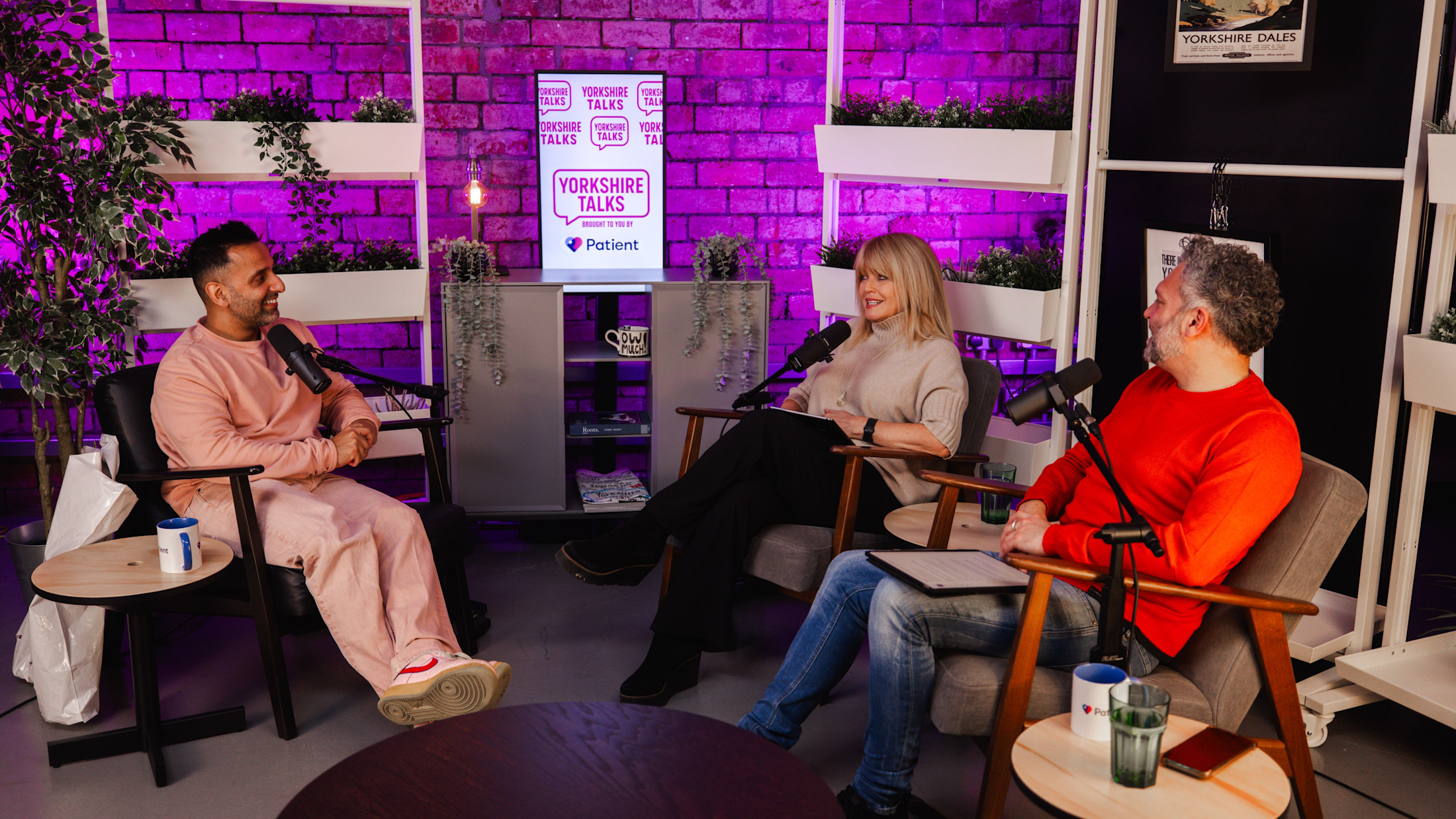
Podcasts
Patient.info brings 'Yorkshire Talks' back with its most open and emotional health conversations yet
Celebrities may seem distant, but the experiences that shape them, illness, grief, resilience, identity, and family, are often the same challenges many of us face. The new series of Yorkshire Talks bridges that gap, bringing raw, personal and often deeply moving health stories straight into the spotlight. Proudly co-produced by Patient.info, this is the most intimate, most honest and most relatable series yet.
by Thomas Andrew Porteus, MBCS
About the authorView full bio
Authored by

Thomas Andrew Porteus, MBCS
HealthTech
MBCS
Thomas writes to inform, inspire, and equip practice leaders and health professionals navigating change, drawing on two decades of hands-on work across the UK health system.
Join the conversation
Share your thoughts or experiences with others in our patient communities.

Ask, share, connect.
Browse discussions, ask questions, and share experiences across hundreds of health topics.

Feeling unwell?
Assess your symptoms online for free
Sign up to the Patient newsletter
Your weekly dose of clear, trustworthy health advice - written to help you feel informed, confident and in control.
By subscribing you accept our Privacy Policy. You can unsubscribe at any time. We never sell your data.