Glucose-6-phosphat-Dehydrogenase-Mangel
Zuletzt aktualisiert 3 Apr 2025
Erfüllt die redaktionelle Richtlinien
- HerunterladenHerunterladen
- Teilen
- Language
- Diskussion
- Ask Patient
- Audio-Version
- Zu bevorzugten Quellen bei Google hinzufügen
Glucose-6-phosphate dehydrogenase deficiency is a genetic disorder that affects red blood cells, which carry oxygen from the lungs to tissues throughout the body. In affected individuals, a defect in an enzyme called glucose-6-phosphate dehydrogenase causes red blood cells to break down prematurely. This destruction of red blood cells is called hemolysis.
Beschreibung
Glucose-6-phosphate dehydrogenase deficiency is a genetic disorder that affects red blood cells, which carry oxygen from the lungs to tissues throughout the body. In affected individuals, a defect in an enzyme called glucose-6-phosphate dehydrogenase causes red blood cells to break down prematurely. This destruction of red blood cells is called hemolysis.
The most common medical problem associated with glucose-6-phosphate dehydrogenase deficiency is hemolytic anaemia, which occurs when red blood cells are destroyed faster than the body can replace them. This type of anaemia leads to paleness, yellowing of the skin and whites of the eyes (jaundice), dark urine, fatigue, shortness of breath, and a rapid heart rate. In people with glucose-6-phosphate dehydrogenase deficiency, hemolytic anaemia is most often triggered by bacterial or viral infections or by certain drugs (such as some antibiotics and medications used to treat malaria). Hemolytic anaemia can also occur after eating fava beans or inhaling pollen from fava plants (a reaction called favism).
Glucose-6-phosphate dehydrogenase deficiency is also a significant cause of mild to severe jaundice in newborns. Many people with this disorder, however, never experience any signs or symptoms and are unaware that they have the condition.
Inheritance patterns
The source lists the following possible inheritance patterns: X-linked. More than one pattern can apply in different cases.
Related genes
Other names
Deficiency of glucose-6-phosphate dehydrogenase
G6PD-Mangel
G6PDD
Glucose 6 phosphate dehydrogenase deficiency
Related patient information and medicines
Patient information leaflet
Kann ich Glucosamin und Vitamin C zusammen einnehmen?
Kidney stones (oxalate) High doses of Vitamin C (typically over 1000mg daily) can increase the amount of oxalate in your urine, significantly raising the risk of developing kidney stones if you are prone to them. G6PD-Mangel If you have glucose-6-phosphate dehydrogenase (G6PD) deficiency, high doses of vitamin C can cause your red blood cells.

Patient information leaflet
Gelbsucht
Jaundice means that the skin and other body parts turn a yellow colour. This increased amount of bilirubin then spills into the tissues of the bod... Conditions that cause an increased rate of breakdown of red blood cells include: Some genetic diseases, such as sickle cell anaemia Sickle cell disease , thalassaemia Thalassaemia , spherocytosis,.
Patient information leaflet
Kann ich Ingwer und Vitamin C zusammen einnehmen?
Kidney stones (Calcium oxalate) High doses of Vitamin C can significantly increase the amount of oxalate in your urine, which may lead to the formation of kidney stones, especially if you have a history of them. G6PD deficiency If you have glucose-6-phosphate dehydrogenase (G6PD) deficiency, high doses of vitamin C can cause your red blood cells.
Patient information leaflet
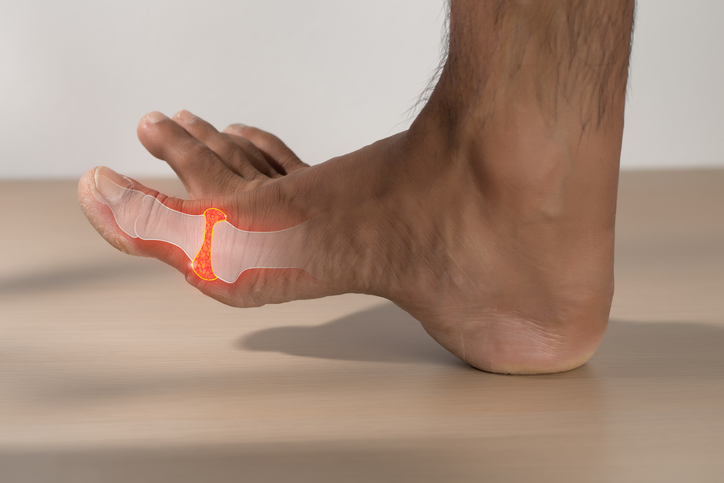
Gicht
What is gout? | Patient Explainers Gout causes attacks of pain and swelling in one or more joints. Find out more: [/health/gout-leaflet](https://patient.info/health/gout-leaflet) Follow Patient: Website: [/](https://patient.info/) Facebook: [https://www.facebook.com/patient](https://www.facebook.com/patient).

Patient information leaflet
Planung, schwanger zu werden
This leaflet offers advice for women who are planning to become pregnant. The aim is to plan ahead to reduce t... Duchenne muscular dystrophy Fragile X syndrome. Haemophilias A und B. Glucose-6-phosphate dehydrogenase deficiency. Other medical conditions Other conditions for which it is best to see a doctor before becoming pregnant include:.
Patient information leaflet
Kann ich Eisen und Vitamin C zusammen einnehmen?
Kidney stones High doses of vitamin C can increase the amount of oxalate in your urine, which significantly raises the risk of developing kidney stones, especially if you have had them before. G6PD-Mangel If you have glucose-6-phosphate dehydrogenase (G6PD) deficiency, high doses of vitamin C can cause your red blood cells to break down.
Weiterführende Lektüre und Referenzen
- Glucose-6-phosphat-Dehydrogenase-Mangel; MedlinePlus, National Library of Medicine.
- Cappellini MD, Fiorelli G. Glucose-6-phosphate dehydrogenase deficiency. Lancet. 2008 Jan 5;371(9606):64-74. doi: 10.1016/S0140-6736(08)60073-2.
- Frank JE. Diagnosis and management of G6PD deficiency. Am Fam Physician. 2005 Oct 1;72(7):1277-82.
- Luzzatto L, Nannelli C, Notaro R. Glucose-6-Phosphate Dehydrogenase Deficiency. Hematol Oncol Clin North Am. 2016 Apr;30(2):373-93. doi: 10.1016/j.hoc.2015.11.006.
- Manganelli G, Masullo U, Passarelli S, Filosa S. Glucose-6-phosphate dehydrogenase deficiency: disadvantages and possible benefits. Cardiovasc Hematol Disord Drug Targets. 2013 Mar 1;13(1):73-82. doi: 10.2174/1871529x11313010008.
- Nkhoma ET, Poole C, Vannappagari V, Hall SA, Beutler E. The global prevalence of glucose-6-phosphate dehydrogenase deficiency: a systematic review and meta-analysis. Blood Cells Mol Dis. 2009 May-Jun;42(3):267-78. doi: 10.1016/j.bcmd.2008.12.005. Epub 2009 Feb 23.
Artikelverlauf
Artikel auch verfügbar in Englisch, Deutsch, Spanisch, Französisch, Italienisch, Portugiesisch, Hindi, Hebräisch, Arabisch, und Schwedisch.
3 Apr 2025 | Neueste Version
1 Apr 2023 | Ursprünglich veröffentlicht
Teilen Sie Ihre Gedanken oder Erfahrungen mit anderen in unserem Patientengemeinschaften.
Einfacher Zugang zu vertrauenswürdigen Behandlungen und Gesundheitsdiensten online.
Common conditions
Get help with common conditions through the NHS, without a GP appointment.





Abonnieren Sie den Patienten-Newsletter
Ihre wöchentliche Dosis klarer, vertrauenswürdiger Gesundheitsberatung - geschrieben, um Ihnen zu helfen, sich informiert, selbstbewusst und in Kontrolle zu fühlen.
Durch das Abonnieren akzeptieren Sie unsere Datenschutzrichtlinie. Sie können sich jederzeit abmelden. Wir verkaufen Ihre Daten niemals.