
Video: Wie verbreiten sich Kopfläuse?
Begutachtet von Dr Hayley Willacy, FRCGP Verfasst von Dr Sarah JarvisUrsprünglich veröffentlicht 4. Dez 2017
Erfüllt die redaktionelle Richtlinien
- HerunterladenHerunterladen
- Teilen
- Language
- Diskussion
- Audio-Version
- Zu bevorzugten Quellen bei Google hinzufügen
Sie sind winzig, aber äußerst lästig. Kopfläuse sind eine der unvermeidlichen Folgen der Schule, egal wie sauber Sie die Haare Ihres Kindes halten. Selbst wenn Sie sie nicht vermeiden können, haben wir einige Expertenratschläge zusammengestellt, wie man sie behandelt und die Verbreitung einzudämmen versucht.
Explore head lice treatments
Erhalten Sie fachkundige medizinische Beratung bequem von zu Hause aus. Füllen Sie eine kurze Online-Konsultation aus, die rund um die Uhr verfügbar ist. Ihre Anfrage wird von einer in Großbritannien registrierten medizinischen Fachkraft geprüft. Für ausgewählte Behandlungen ist eine Lieferung am nächsten Tag möglich.

Wiedergabeliste: Head Lice and Nits Q&A
10 Videos
Wie verbreiten sich Kopfläuse von Person zu Person?
Dr. Sarah Jarvis
Wie verbreiten sich Kopfläuse von Person zu Person?
Dr. Sarah Jarvis

Können Kopfläuse in Bettwäsche überleben?
Dr. Sarah Jarvis

Können Kopfläuse auf Kissen leben?
Dr. Sarah Jarvis

Können Kopfläuse in Hüten leben?
Dr. Sarah Jarvis

What is the life cycle of a nit?
Dr. Sarah Jarvis

Woran erkennen Sie, ob Ihr Kind Läuse hat? | Patient
Dr. Sarah Jarvis

Wie suchen Sie nach Läusen?
Dr. Sarah Jarvis

Woran erkennen Sie den Unterschied zwischen Nissen und Schuppen?
Dr. Sarah Jarvis

Which head lice treatments are most effective? | Patient
Dr. Sarah Jarvis

Können Läuseeier nach der Behandlung schlüpfen?
Dr. Sarah Jarvis
How do lice spread from one person to another?
Dr. Sarah Jarvis
Kopfläuse can't jump, they can't swim, they can't fly. But they certainly can crawl. That means in order to spread from one person to another you really need close head-to-head contact. Who is regularly in head-to-head contact? Well, primary school children of course. All that time they spend with heads together telling each other their secrets. And of course parents, if you are giving your child a cuddle.
Very occasionally, head lice can be passed on by sharing pillows, by sharing hats, or brushes or coats. But on the whole, it is easier for head lice to spread if your hair is long, but it is not easy to spread if your hair is dirty. It's just an occupational hazard of having a primary school child.
Können Kopfläuse in Bettwäsche überleben?
Dr. Sarah Jarvis
Technically, head lice can live in bedding. But not for very long. What’s more, they can't fly, and they can't jump - well they can crawl but not very far. It’s already about a size of a sesame seed. That means if they are going to live in bedding, it's likely to be in the pillow, if someone else has slept in it within the 12-24 hours - any longer than that and head lice cannot survive away from the human head.
Können Kopfläuse auf Kissen leben?
Dr. Sarah Jarvis
Head lice don’t live very long, unless they are on the human head, because they need to feed often from your scalp. However, they can probably survive for 12 maybe 24 hours off the human head - that means that technically they could survive on that pillow and they can be passed on if somebody else lays their head on that pillow, within 12-24 hours.
But they can’t jump, and they can’t fly, so it is not a common way for them to be passed on.
Können Kopfläuse in Hüten leben?
Dr. Sarah Jarvis
Technically head lice can live in hats, but not for very long. Head lice need to be close to the human host, so that they can feed regularly off the scalp, and they die within 12-24 hours of being away from a human head.
However, 12-24 hours might occasionally be enough for head lice to crawl into a hat and some other child to put it on, but its much more likely that it will be caught by close head-to-head contact.
What is the life cycle of a nit?
Dr. Sarah Jarvis
Nits are the eggs laid by the head lice. They tend to lay close to the scalp often in the warm bits behind the ears. Once there, it takes 7-10 days for them to hatch. Once they have hatched they start feeding off your scalp but too quickly.
By the time they are 7-10 days old, they are old enough to lay their own eggs, and that is where the whole cycle starts all over again.
How do you know your child has lice?
Dr. Sarah Jarvis
Often head lice don’t cause any symptoms. So you may not know until you get a letter from the school or you get a very nasty shock when you comb your child’s hair and you see a creepy crawly in it! Sometimes your child’s head can become itchy as a result of the reaction to the bite or the saliva of the head lice. But actually the bites themselves as it feeds through the scalp don’t hurt at all.
Therefore, the best way to find out if your child has head lice is to comb through using a detector comb, mostly using the wet combing method, and you can find out more about that elsewhere on patient.info.
Wie suchen Sie nach Läusen?
Dr. Sarah Jarvis
Head lice often do not cause any symptoms. So you may not know that they are there when you look for them.
There are two main ways of checking for lice. The most common is the wet combing method. You shampoo the hair and rinse the shampoo off and then put on the conditioner. You comb the hair through until it is tangle-free with the conditioner still in and then you switch to a detector comb. Your pharmacist can advise on that. You slot the comb in very close to the roots and pull it through the hair right to the end, dividing the hair up into sections so you make sure you don’t miss a bit. After every sweep with the comb you rinse it out and look for lice and then you may go on to the next one.
The dry combing method is pretty similar although, funnily enough, you don’t wet the hair or you don’t shampoo it. You start off by combing the hair till its tangle-free and then switch to the detector comb. The difference here is that you need to have 3 or 4 sweeps with every section of the comb before you move on to the next one.
Woran erkennen Sie den Unterschied zwischen Nissen und Schuppen?
Dr. Sarah Jarvis
Nits are the egg casings that are left behind after a live head louse hatches. They are white and about the same size as dandruff so you could get confused. But there are a few ways to tell the difference.
Firstly they stick very hard to the hair. They don’t brush out in the way dandruff does. Secondly, they are often clustered just around the ears and very close to the scalp where it’s warmest, so when the head lice hatch, they can feed easily. You don’t need treatment if you find nits. Only if you find live head lice.
Which head lice treatment is most effective?
Dr. Sarah Jarvis
There are three main treatments recommended for head lice. The first is the wet combing method, the so-called bug busting method; the second is chemical insecticides which poison the louse; and the third is the physical insecticides which smother the louse and kill it because it can’t breathe.
Now, which one works for you is entirely up to you. Using the wet combing method doesn’t require any chemicals but it does require patience and repeated attempts to make your child sit still for long enough to be treated. What we don’t recommend is many of the so-called alternative methods, whether it is the electric comb, or whether it is lotion using eucalyptus oil, lavender oil or other so-called natural remedies. There is no evidence that they are effective.
Können Läuseeier nach der Behandlung schlüpfen?
Dr. Sarah Jarvis
Head lice are persistent little so and sos. Using an insecticide - either a chemical which poisons the head lice or the physical insecticides that smother them - will kill the live lice, but unfortunately it doesn’t do away with the eggs.
Now it takes about 7-10 days for the egg to hatch after its been laid, and that means that if you use any physical insecticides you need to do the whole thing again about 7 days later to catch any eggs that have been laid in the meantime. And if you are using the wet combing method you absolutely need to comb regularly up to 17 days to make sure you have got rid of any lice that have been born since the first treatment.
Explore head lice treatments
Erhalten Sie fachkundige medizinische Beratung bequem von zu Hause aus. Füllen Sie eine kurze Online-Konsultation aus, die rund um die Uhr verfügbar ist. Ihre Anfrage wird von einer in Großbritannien registrierten medizinischen Fachkraft geprüft. Für ausgewählte Behandlungen ist eine Lieferung am nächsten Tag möglich.
Patientenauswahl für Kinderkrankheiten
Kindergesundheit
Die besten Methoden, um Kopfläuse loszuwerden
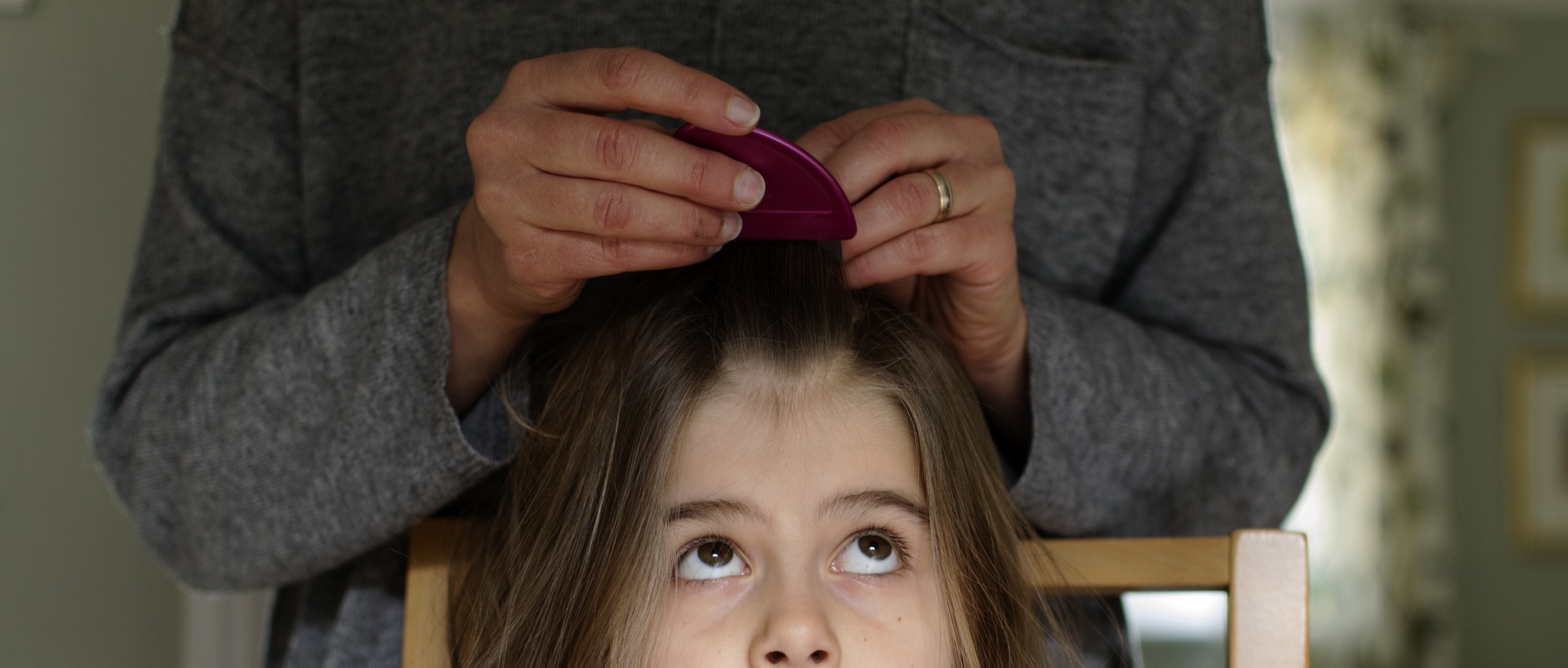
Sie sind schwer zu erkennen und werden zunehmend schwieriger zu behandeln; fast 50% der Kinder im Vereinigten Königreich hatten in den letzten fünf Jahren Kopfläuse. Aber verzweifeln Sie nicht – der Kampf mag schwieriger werden, aber Sie können den Krieg gegen Kopfläuse immer noch gewinnen.
von Danny Chadburn
Kindergesundheit
Ist es Keuchhusten oder nur eine Erkältung?
The UK Health Security Agency (UKHSA) has announced that a baby has died of whooping cough - the first fatality of 2025. The baby's mother had not been vaccinated against the illness. Here we look at how to spot the signs of this highly contagious infection which can effect anyone but can be particularly serious for babies and infants - and how to tell if it less serious. We also look at the need to get vaccinated.
von Lawrence Higgins
Über den AutorVollständige Biografie anzeigen
Verfasst von

Dr. Sarah Jarvis
Klinische Beraterin
MA (Cantab), BM, BCh (Oxon), DRCOG, FRCGP, MBE
Nach ihrer medizinischen Ausbildung in Cambridge und Oxford wurde Dr. Sarah Jarvis MBE Hausärztin.
Über den RezensentenVollständige Biografie anzeigen

Dr Hayley Willacy, FRCGP
Allgemeinmediziner, Medizinischer Autor
MBChB (1992), DRCOG, DFFP, MRCOG (Part 1) MRCGP (2007), DFSRH (2013), MSc - medical education (2020)
Dr. Hayley Willacy war eine NHS-Hausärztin, die in Nordwestengland arbeitete und 2022 nach 30 Jahren aus der klinischen Praxis ausschied.
Artikelverlauf
Artikel auch verfügbar in Englisch, Deutsch, Spanisch, Französisch, Italienisch, Portugiesisch, Hindi, Hebräisch, Arabisch, und Schwedisch.
4. Dez 2017 | Ursprünglich veröffentlicht
Verfasst von:
Dr. Sarah JarvisBegutachtet von
Dr Hayley Willacy, FRCGP
Nehmen Sie an der Diskussion teil
Teilen Sie Ihre Gedanken oder Erfahrungen mit anderen in unserem Patientengemeinschaften.

Fragen, teilen, verbinden.
Durchsuchen Sie Diskussionen, stellen Sie Fragen und teilen Sie Erfahrungen zu Hunderten von Gesundheitsthemen.

Fühlen Sie sich unwohl?
Bewerten Sie Ihre Symptome online kostenlos
Abonnieren Sie den Patienten-Newsletter
Ihre wöchentliche Dosis klarer, vertrauenswürdiger Gesundheitsberatung - geschrieben, um Ihnen zu helfen, sich informiert, selbstbewusst und in Kontrolle zu fühlen.
Durch das Abonnieren akzeptieren Sie unsere Datenschutzrichtlinie. Sie können sich jederzeit abmelden. Wir verkaufen Ihre Daten niemals.