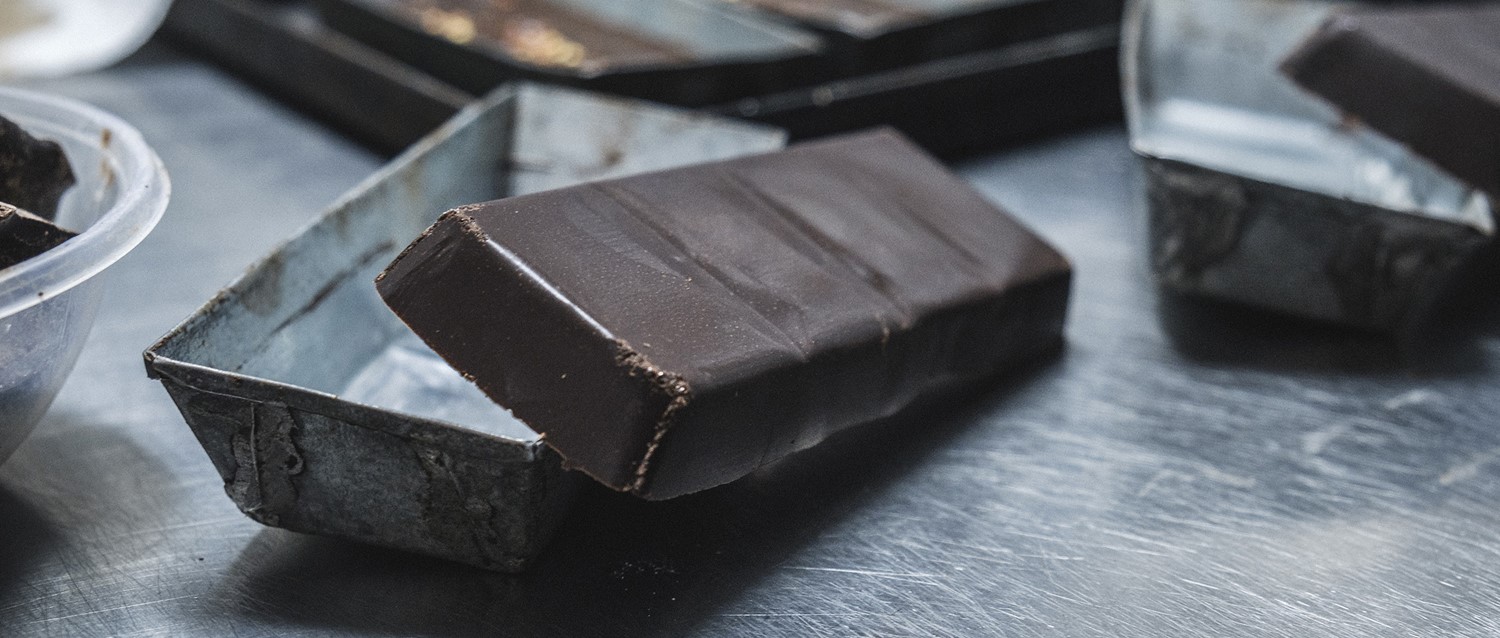
Eating dark chocolate may reduce odds of depression
Peer reviewed by Natalie HealeyAuthored by Ashwin BhandariOriginally published 6 Aug 2019
Meets Patient’s editorial guidelines
- DownloadDownload
- Share
- Language
- Discussion
- Audio Version
- Add to preferred sources on Google
Research suggests eating dark chocolate could improve symptoms of depression.
Mental health support for adults and children
Online CBT and psychological therapy for adults and children aged 8–17. Onebright’s accredited clinicians support people experiencing anxiety, depression and other emotional challenges.
The positive qualities of dark chocolate, such as potentially increasing the release of serotonin and endorphins, have been well established. Other studies have suggested it boosts good gut bacteria, as well as increasing blood flow to the brain. Now for the first time, a study has looked at its impact on depressive symptoms, compared to other types of chocolate.
Researchers at University College London (UCL) and the University Of Calgary, Canada, looked at 140,000 adults from the US National Health and Nutrition Examination Survey. Participants' chocolate eating habits were assessed against their scores on the Patient Health Questionnaire, which analyses depressive symptoms.
The cross-sectional study, published in Depression and Anxiety, took factors such as weight, height, ethnicity, smoking, household income, marital status, education, and physical and chronic health problems into account whilst assessing the people involved.
The researchers found no link between milk chocolate consumption and depressive symptoms. However, eating dark chocolate was linked to a 70% lower chance of experiencing depression than those who didn't eat chocolate at all. The 25% who consumed all kinds of chocolate were also less likely to experience depression than those who ate none at all.
"This study provides some evidence that consumption of chocolate, particularly dark chocolate, may be associated with reduced odds of clinically relevant depressive symptoms." The lead author from UCL, Dr Sarah Jackson, said.
“However further research is required to clarify the direction of causation - it could be the case that depression causes people to lose their interest in eating chocolate, or there could be other factors that make people both less likely to eat dark chocolate and to be depressed."
Dark chocolate has also been associated with a reduced risk of heart disease and lower levels of 'bad' cholesterol. However, due to its high sugar content, it should be consumed in moderation, as part of a balanced diet.
Patient picks for Depression

Mental health
Alarming' rise in self-harm in young people
Despite an increase in reports of self-harm across the population, only half are receiving mental health treatment.
by Milly Evans
Mental health
What it's like to work for a suicide prevention helpline
Opening up to anyone when you're in a vulnerable state can be difficult, let alone a faceless stranger on the end of a telephone line. But what's it like receiving these calls? We speak to two Samaritans volunteers about what they've learnt about the art of listening and helping those in need.
by Ashwin Bhandari
About the authorView full bio

Ashwin Bhandari
Medical Writer
BA Journalism
About the reviewerView full bio

Natalie Healey
Freelance journalist
BSc (Hons) Biomedical Science
She is a London-based health journalist who has been writing about science and medicine for several years. She is the former head of editorial at Patient.
Article history
Article also available in English, German, Spanish, French, Italian, Portuguese, Hindi, Hebrew, Arabic, and Swedish.
6 Aug 2019 | Originally published
Authored by:
Ashwin BhandariPeer reviewed by
Natalie Healey
Join the conversation
Share your thoughts or experiences with others in our patient communities.

Ask, share, connect.
Browse discussions, ask questions, and share experiences across hundreds of health topics.

Feeling unwell?
Assess your symptoms online for free
Sign up to the Patient newsletter
Your weekly dose of clear, trustworthy health advice - written to help you feel informed, confident and in control.
By subscribing you accept our Privacy Policy. You can unsubscribe at any time. We never sell your data.
More in mental health
- NewAdam Smith on mindfulness, mental health, and diabetes
- Can anxiety cause depression?
- Can shaking exercises improve stress and PTSD?
- NewCraving some cosy? The science of autumn nesting
- Daylight Savings Time: Why the clocks changing can affect our health
- Diabetes burnout - how mindfulness can support your mental wellbeing
- Do beta blockers help with anxiety symptoms?
- Does the moon really affect us?
- Facing your fear of the doctor: tips for easing medical anxiety
- How do stereotypes prevent Black people from seeking help for eating disorders?
- How to get over a fear of blood tests
- How to support someone through a panic attack
- What are the signs of a midlife crisis?
- What is the link between IBS and anxiety?
- What the World Cup can teach us about staying active
- What therapies can treat PTSD?
- What to do if you're struggling with your mental health at Christmas
- What's the link between mental health and heart disease?
- Why a Christmas movie can make us feel good
- Why self-care for men is so important