What are genomic imprinting and uniparental disomy?
Erfüllt die redaktionelle Richtlinien
- HerunterladenHerunterladen
- Teilen
- Language
- Diskussion
- Ask Patient
- Audio-Version
- Zu bevorzugten Quellen bei Google hinzufügen
Genomic imprinting and uniparental disomy are factors that influence how some genetic conditions are inherited.
Videoauswahl für Understanding geneticsVideothek
Übersicht
Genomic imprinting and uniparental disomy are factors that influence how some genetic conditions are inherited.
Genomic Imprinting
People usually inherit two copies of each gene—one from the egg cell and one from the sperm cell. Both copies of each gene are usually active, or “turned on,” in cells. In some cases, however, only one of the two copies is turned on. Which copy is active depends on their origin: some genes are normally active only when they are derived from the sperm cell; others are active only when they are derived from the egg cell. This phenomenon is known as genomic imprinting.
In genes that undergo genomic imprinting, their origin is often marked on the gene during the formation of egg and sperm cells. This process, called methylation, is a chemical reaction that attaches small molecules called methyl groups to certain segments of DNA. These molecules identify which copy of a gene was inherited from the egg cell and which was inherited from the sperm cell. The addition and removal of methyl groups can be used to control the activity of genes.
Only a small percentage of all human genes undergo genomic imprinting. Imprinted genes tend to cluster together in the same regions of chromosomes. Two major clusters of imprinted genes have been identified in humans: one on the short (p) arm of chromosome 11 (at position 11p15) and another on the long (q) arm of chromosome 15 (in the region 15q11 to 15q13).
Uniparental Disomy
Uniparental disomy (UPD) occurs when a person receives two copies of a chromosome, or part of a chromosome, from one parent and no copies from the other parent. UPD can occur as a random event during the formation of egg or sperm cells, or it may happen during early fetal development.
When UPD occurs, it often has no effect on health or development. Because most genes are not imprinted, it doesn’t matter if a person inherits both copies from one parent instead of one copy from each parent. In some cases, however, it does make a difference. A person with UPD may lack any active copies of essential genes that undergo genomic imprinting. This loss of gene function can lead to delayed development, intellectual disabilities, or other health problems.
UPD or a disruption of normal genomic imprinting can cause several genetic disorders. Prader-Willi syndrome and Angelman syndrome are two well-known examples of these conditions. Prader-Willi-Syndrom is characterised by behavioural problems and uncontrolled eating, and Angelman syndrome causes intellectual disabilities and impaired speech. Both of these disorders can be caused by UPD or other errors in imprinting involving genes on the q arm of chromosome 15. Other conditions, such as Beckwith-Wiedemann-Syndrom (a disorder characterised by accelerated growth and an increased risk of cancerous tumours), are associated with abnormalities of imprinted genes on the p arm of chromosome 11.
Related patient information and medicines
Patient information leaflet
Lippen-Kiefer-Gaumenspalte
Lippen-Kiefer-Gaumenspalte sind facial abnormalities which can affect babies at birth. They are common worldwide and can affect the lip, the palate or both. If untreated they can lead to feeding difficulties early on, and psychological difficulties as your child grows up. However, modern treatment begins early in your baby's life, with surgery to correct.
Patient information leaflet
Überprüfen Sie Ihre Medikamente auf Wechselwirkungen
Use this Medikamenten- und Wechselwirkungsprüfer zur see whether your medicines, supplements, vitamins, foods, or certain health conditions may interact with each other. It can help you understand potential risks, avoid unwanted side effects, and decide when it’s important to speak to a pharmacist, GP, or other healthcare professional. The tool is.
Patient information leaflet
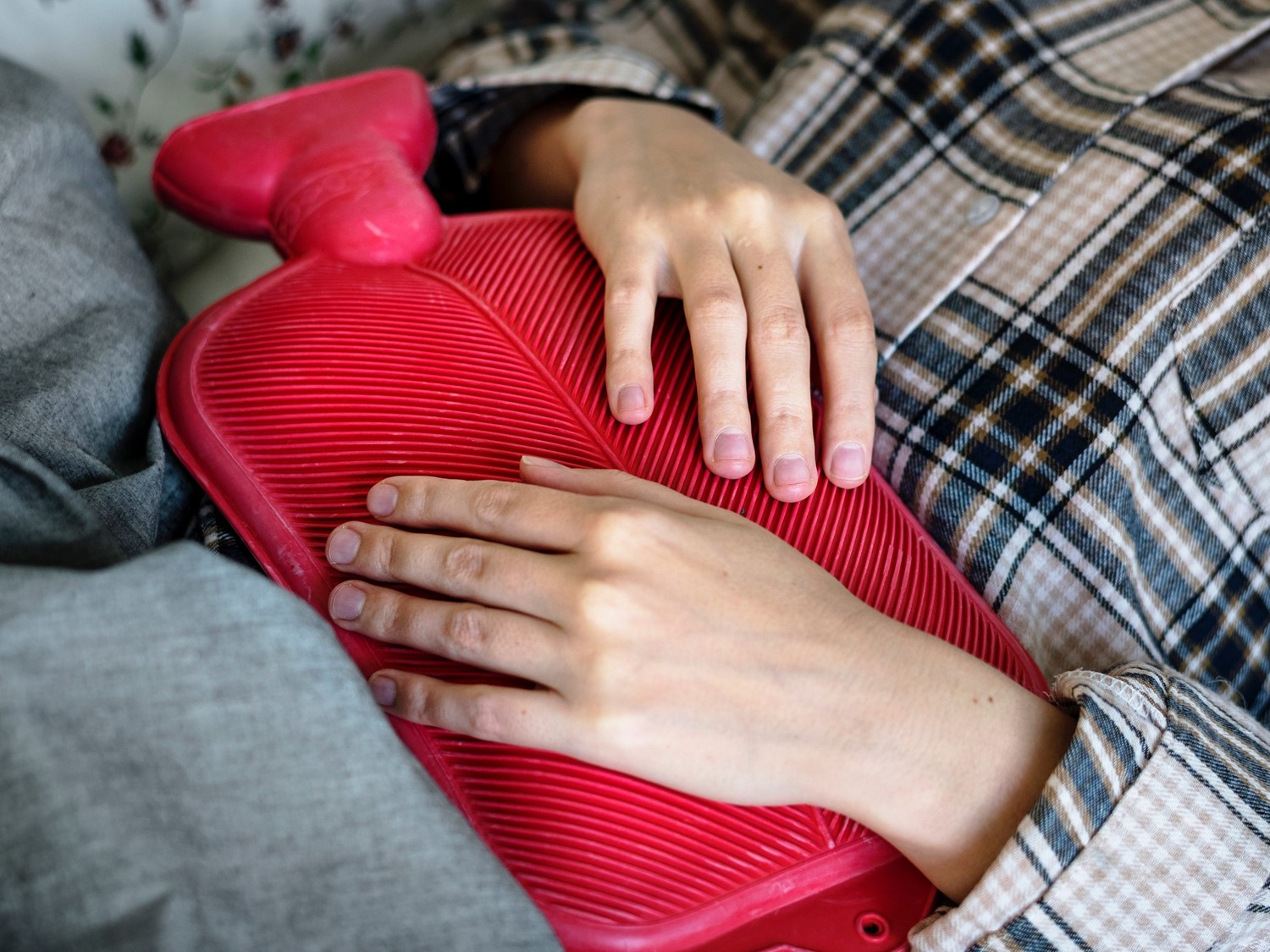
Perioden und Menstruationsprobleme
Periods continue until the menopause which is usually around the age of 50 years. What are the different types of period problems. Dr Sarah Jarvis MBE For more information on periods and period problems, go to [/health/periods-and-period-problems](https://patient.info/health/periods-and-period-problems) What is a period. For.

Patient information leaflet
Mehrlingsschwangerschaft
Both mother and babies need extra monitoring during pregnancy as the risks are higher than in a singleton pregnancy. What happens when an egg is fertilised. If it splits completely into two separate groups of cells very early in this division then identical twin zygotes are formed. Cell division continues until each zygote has become a ball of.
Patient information leaflet
Narkolepsie und Kataplexie
Narcolepsy is a long-term (chronic) problem that affects your sleep. Many people with narcolepsy also have cataplexy. Narcolepsy is usually diagnosed by monitoring you while you sleep in a special sleep laboratory. However, various treatments are available that can help to control your symptoms. These include stimulant medicines to stop you.

Patient information leaflet
6-in-1-Impfstoff
The 6-in-1 Impfstoff is part of routine childhood immunisations und protects babies against six different serious illnesses. Three doses are given. Further boosters without all six components are given at other times later in childhood and in adult life. The 6-in-1 vaccine used to be given as the 3-in-1 vaccine DTaP along with the polio vaccine.
Weiterführende Lektüre und Referenzen
- What are genomic imprinting and uniparental disomy?; MedlinePlus, National Library of Medicine.
Teilen Sie Ihre Gedanken oder Erfahrungen mit anderen in unserem Patientengemeinschaften.
Einfacher Zugang zu vertrauenswürdigen Behandlungen und Gesundheitsdiensten online.
Common conditions
Get help with common conditions through the NHS, without a GP appointment.





Abonnieren Sie den Patienten-Newsletter
Ihre wöchentliche Dosis klarer, vertrauenswürdiger Gesundheitsberatung - geschrieben, um Ihnen zu helfen, sich informiert, selbstbewusst und in Kontrolle zu fühlen.
Durch das Abonnieren akzeptieren Sie unsere Datenschutzrichtlinie. Sie können sich jederzeit abmelden. Wir verkaufen Ihre Daten niemals.