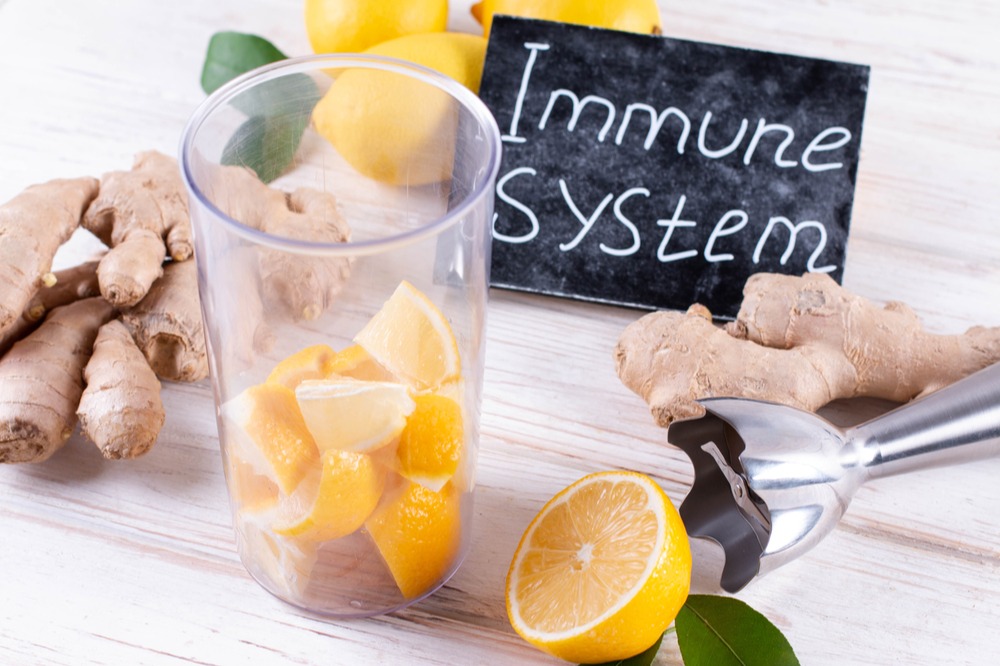
Foods to boost your immune system this winter
Peer reviewed by Dr Colin Tidy, MRCGPAuthored by Josh AldermanOriginally published 28 Nov 2025
Meets Patient’s editorial guidelines
- DownloadDownload
- Share
- Language
- Discussion
- Audio Version
- Add to preferred sources on Google
During the colder months, it’s common to feel more tired, run down, or prone to colds and flu. While there is no single food that can prevent illness, making supportive choices in your diet can help your immune system function at its best.
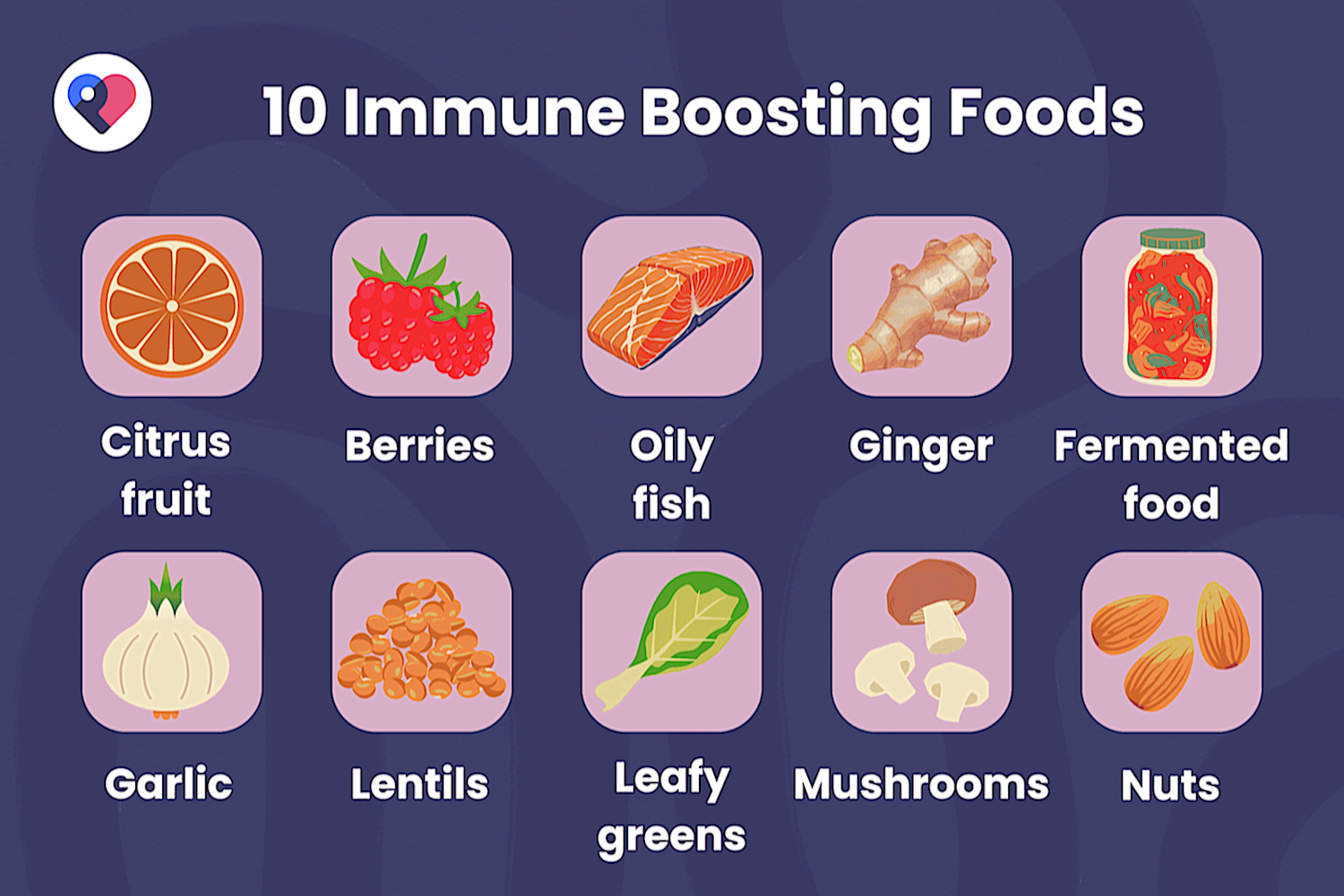
Foods to boost your immune system
1. Citrus fruits
Citrus fruits such as oranges, lemons, grapefruits, and clementines are well known for their vitamin C content. Vitamin C helps support the normal function of the immune system and is something the body cannot store in large amounts.
Adding fresh citrus to breakfasts, snacks, or salads is an easy way to increase your intake.
2. Berries
Strawberries, blueberries, and raspberries are rich in antioxidants. These compounds help protect cells from damage caused by everyday processes in the body.
Having berries with yoghurt, porridge, or blended into smoothies can help boost antioxidant intake through the winter.1
3. Garlic
Garlic contains naturally occurring compounds that may help support immune health.2 Some people like to use garlic in soups and stews during winter to help add both flavour and nutritional value.
Adding it towards the end of cooking can help preserve more of its beneficial compounds.
4. Ginger
Ginger is often used when people feel under the weather. It may help soothe digestion and is commonly used in teas, stir-fries, and curries.3
Fresh ginger can be grated into hot water with lemon for a warm winter drink.
5. Leafy green vegetables
Spinach, kale, and other dark green vegetables are high in vitamins A and C. These nutrients support healthy immune function and provide fibre, which is important for digestive health.
Light cooking methods, such as steaming, help preserve vitamins.
6. Yoghurt and fermented food
Foods such as live yoghurt, kefir, sauerkraut, and kimchi contain 'good’ bacteria that support the gut microbiome.
Supporting gut health is an important part of helping to boost your immune system in winter as the gut plays a key role in the body’s immune defences.
7. Nuts and seeds
Almonds, walnuts, pumpkin seeds, and sunflower seeds provide vitamin E, healthy fats, and minerals such as zinc and selenium. Zinc, in particular, is important for normal immune cell function.
A small handful of nuts or seeds makes a convenient snack or salad topping.
8. Oily fish
Oily fish including salmon, mackerel, and sardines are high in omega-3 fatty acids. These fats play a role in managing inflammation in the body.4 Oily fish also contain vitamin D, which is especially relevant in winter when sunlight levels are lower.
Add salmon or mackerel as the primary protein for a dinner meal or lunch.
9. Mushrooms
Some mushrooms provide small amounts of vitamin D, particularly when exposed to light. They also contain B vitamins and selenium.
Mushrooms can be added to pasta dishes, soups, and omelettes to help increase nutrient intake over the colder months.
10. Beans and lentils
These plant-based protein sources contain iron, zinc, and B vitamins. Iron supports the transport of oxygen around the body and helps prevent tiredness.
Adding lentils to soups or having beans in salads or stews can be a simple way to increase intake.
Other ways to support immunity in winter
Food is only one part of immune health. Other helpful habits that can support your immune system include:
Getting enough sleep.
Staying hydrated.
Being physically active where possible.
Washing hands regularly to reduce the spread of viruses.
Summary
Learning how to boost your immune system in winter does not require major changes. Eating a varied diet with fruits, vegetables, wholegrains, healthy fats, and fermented foods can support your body’s natural defences.
While these foods cannot prevent illness completely, they may help your immune system function at its best through the colder months.
Further reading
Patient picks for Nutrition
Allergies, blood and immune system
How to improve your immunity through diet and lifestyle
A strong immune system will help you ward off all sorts of infections. Here we explain how you can boost your immunity by eating the right foods, by looking after your skin, and by keeping your body active.
by Dr Sarah Jarvis
Diet and nutrition
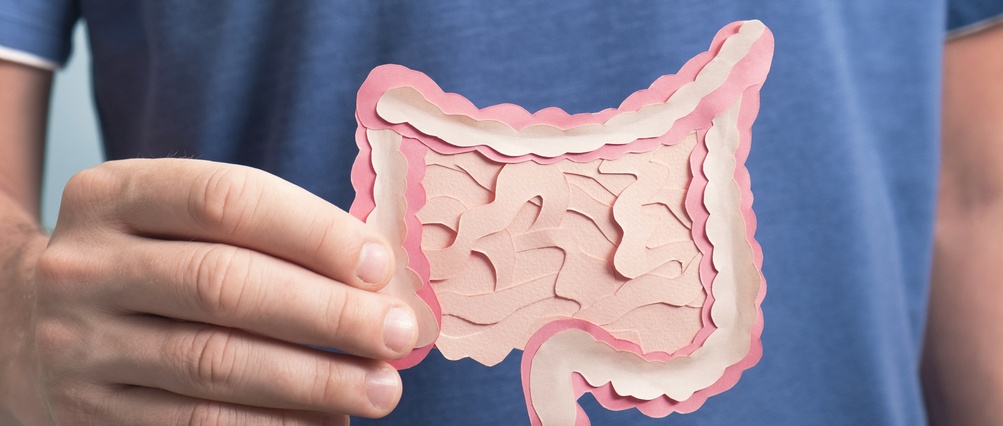
What is your gut microbiome?
Let’s talk about something small that has a big impact on your health - the gut microbiome. This hidden universe of microbes plays an important role in your wellbeing. How you treat these tiny residents can make a world of difference to how you feel.
by Victoria Raw
About the authorView full bio

Josh Alderman
SEO Executive
BA (Hons) Media and Print Journalism
Josh is an SEO executive at Patient with over 4 years experience working within the healthcare sphere.
About the reviewerView full bio

Dr Colin Tidy, MRCGP
General Practitioner, Medical Author
MBBS, MRCGP, MRCP (Paediatrics), DCH
Dr Colin Tidy is an NHS Doctor, based in Oxfordshire.
Article history
The information on this page is peer reviewed by qualified clinicians.
Article also available in English, German, Spanish, French, Italian, Portuguese, Hindi, Hebrew, Arabic, and Swedish.
Next review due: 28 Nov 2028
28 Nov 2025 | Originally published
Authored by:
Josh AldermanPeer reviewed by
Dr Colin Tidy, MRCGP
Join the conversation
Share your thoughts or experiences with others in our patient communities.

Ask, share, connect.
Browse discussions, ask questions, and share experiences across hundreds of health topics.

Feeling unwell?
Assess your symptoms online for free
Sign up to the Patient newsletter
Your weekly dose of clear, trustworthy health advice - written to help you feel informed, confident and in control.
By subscribing you accept our Privacy Policy. You can unsubscribe at any time. We never sell your data.
More in diet and nutrition
- 6 deliciously healthy berries and recipes
- 9 health benefits of chia seeds
- Biotin: do vitamins for hair growth really work?
- Can psychology diet apps help you eat more mindfully?
- Coffee and lemon: fact-checking the TikTok trend
- Do New Year's diets actually work?
- Have a healthy Diwali - food swaps and recipes
- How to make healthier choices without missing out
- How to make small healthy changes to your diet without dieting
- Is drinking olive oil good for you?
- Low-fat diet sheet
- Pescatarian diet: pros, cons, and what you can eat
- The 5 best probiotic foods for a healthy gut
- The Reducetarian diet: how to eat less meat
- Ways to improve your relationship with food
- What are the benefits of vitamin E?
- What are the health benefits of a vegan diet?
- What is The Fast 800 diet?
- What is the Nordic diet?
- Which pregnancy vitamins do I really need?