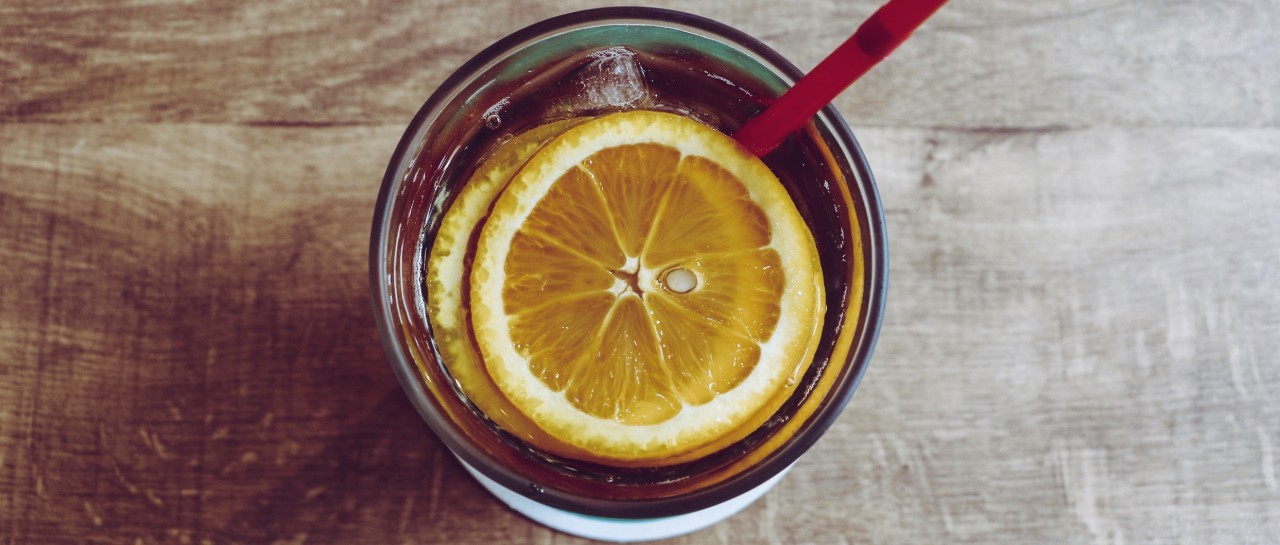
Two soft drinks a day may increase risk of early death
Peer reviewed by Natalie HealeyLast updated by Milly EvansLast updated 4 Sept 2019
Meets Patient’s editorial guidelines
- DownloadDownload
- Share
- Language
- Discussion
- Audio Version
- Add to preferred sources on Google
A study has suggested that drinking soft drinks, including sugar-free, increases the risk of death.
The findings, published in the journal Jama Internal Medicine, found that drinking both sugary and artificially sweetened ('diet') soft drinks was associated with a higher risk of death.
The study looked at around 452,000 people from 10 European countries including Denmark, France, Greece, Germany, Italy, the Netherlands, Norway, Spain, Sweden and the UK.
The researchers looked at data from food questionnaires or interviews from 1992 to 2000. Participants were followed up an average of sixteen years later. In this time, 41,693 deaths were recorded.
The researchers found that when drinking two or more glasses of soft drinks a day, compared to drinking less than one a month, all types of soft drinks were associated with an increased risk of death from all causes. Those consuming two or more glasses were found to have an increased risk of circulatory diseases and those consuming just one glass a day had a higher risk of dying from digestive diseases.
Drinking soft drinks was not found to increase the risk of dying from cancer.
The study is the largest of its kind. The researchers say that their findings support ongoing public health initiatives to encourage healthy eating and reduce soft drink consumption. But this research only shows a correlation between soft drinks and early death. It does not prove fizzy beverages cause early death. Additionally, the findings relied on participants reporting their soft drink intake, which may not be reliable.
"Our results for sugar-sweetened soft drinks provide further support to limit consumption and to replace them with other healthier beverages, preferably water," study coauthor Neil Murphy, a scientist at the International Agency for Research on Cancer, told Reuters. "For artificially sweetened soft drinks, we now need a better understanding of the mechanisms that may underlie this association and research such as ours will hopefully stimulate these efforts."
This study was published in Jama Internal Medicine.
Patient picks for Healthy eating
Diet and nutrition
Why fibre is your friend
It's recommended that we all try to eat 30 grams of fibre a day - but most of us only manage about 18 grams. We should try to eat at least 30 different vegetables, fruits, nuts, seeds, beans and pulses every week to meet our fibre needs. Here's why it's important to prioritise a fibre-rich diet.
by Victoria Raw
Diet and nutrition
Tadpole water - what is it, and does it actually have any health benefits?
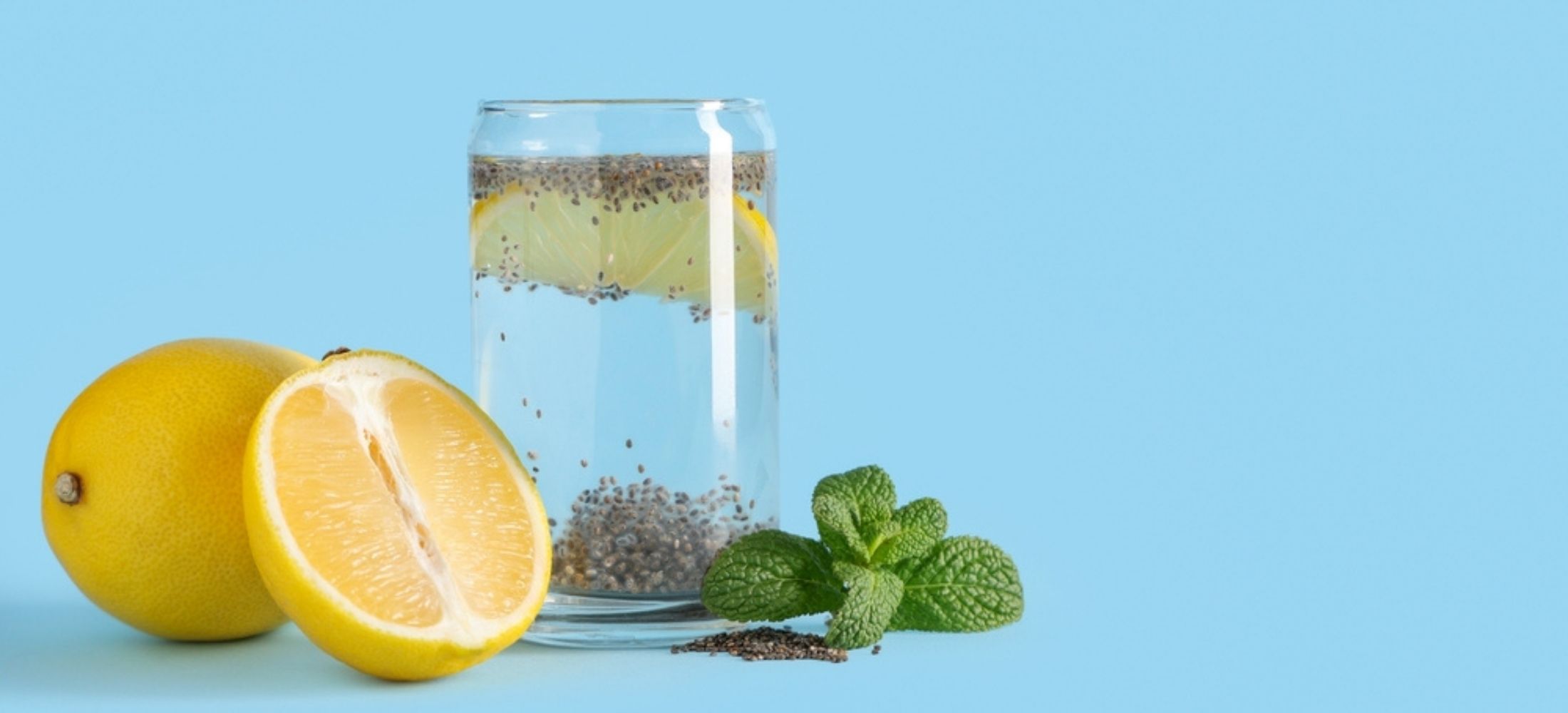
If you’ve heard of people trying ‘tadpole water’ online, don’t worry. Despite the name, anyone following this viral trend isn’t scooping up buckets of frogspawn and taking them home to drink. Tadpole water is actually less gross. The term refers to the practice of adding chia seeds to water and drinking the mixture for a range of supposed health benefits. But what are these benefits, and do they actually stack up? We take a closer look.
by Victoria Raw
About the authorView full bio

Milly Evans
Editor
Milly writes on a range of health topics, with a particular interest in health inequality and sexual health.
About the reviewerView full bio

Natalie Healey
Freelance journalist
BSc (Hons) Biomedical Science
She is a London-based health journalist who has been writing about science and medicine for several years. She is the former head of editorial at Patient.
Article history
The information on this page is peer reviewed by qualified clinicians.
Article also available in English, German, Spanish, French, Italian, Portuguese, Hindi, Hebrew, Arabic, and Swedish.
4 Sept 2019 | Latest version
Join the conversation
Share your thoughts or experiences with others in our patient communities.

Ask, share, connect.
Browse discussions, ask questions, and share experiences across hundreds of health topics.

Feeling unwell?
Assess your symptoms online for free
Sign up to the Patient newsletter
Your weekly dose of clear, trustworthy health advice - written to help you feel informed, confident and in control.
By subscribing you accept our Privacy Policy. You can unsubscribe at any time. We never sell your data.
More in diet and nutrition
- 5 quick and healthy meals for students
- Can the MIND diet help keep our brains healthy?
- Can your diet reduce the risk of cancer?
- Do you really need to give up sugar?
- Does my diet really affect my immune system?
- Does your body need vitamin supplements?
- How big is a portion?
- How does diet affect dementia?
- How food affects your mood
- How to get vitamin-ready for autumn and winter
- How to make healthy stuffing
- How to make small healthy changes to your diet without dieting
- IBS diet: foods to eat and avoid
- Recipe: Gluten-free hot cross buns
- Thinking about going vegan? Here's how to do it healthily
- What are the benefits of baby probiotics?
- What are the benefits of vitamin D?
- What are ultra processed foods and do they cause cancer?
- What is the Atlantic diet?