
Sonnenschutzfehler, die Sie wahrscheinlich machen
Fachlich geprüft von Dr Sarah JarvisVerfasst von Gillian HarveyUrsprünglich veröffentlicht 23 Jun 2020
Erfüllt die Anforderungen des Patienten für redaktionelle Inhalte
- HerunterladenHerunterladen
- Teilen
- Language
- Diskussion
- Audio-Version
- Zu bevorzugten Quellen bei Google hinzufügen
Wenn es um Hautpflege im Sommer geht, fühlen sich die meisten von uns ziemlich gut informiert. Aber laut Cancer Research UK steigen die Hautkrebsraten - und 9 von 10 Fällen könnten durch Sonnenschutz vermieden werden. Wir schauen uns die Fehler beim Sonnenschutz an, die Sie möglicherweise machen.
Sunscreen alone isn't enough
With a variety of products available all promising to keep us safer in the sunshine, it's no surprise that many of us believe sunscreen offers the best protection during the hot weather. However, we need to combine the use of this product with other forms of sun protection.
"One of the biggest mistakes people make is to rely on sunscreen alone as their sole protection," agrees Emma Shields, senior health information officer at Cancer Research UK. "However, it's best to use sunscreen in combination with time in the shade when the sun is strong, wearing a hat, covering up and wearing sunglasses."
There's no such thing as a safe tan
Many of us associate a golden glow with good health, but when it comes to sun-tanning, appearances can be deceptive. "There's no such thing as a safe tan!" agrees Shields. "In fact, any change in skin colour is a sign of damage."
"Often, people associate sun-kissed skin with good health," adds consultant dermatologist Dr Daniel Glass of The Dermatology Clinic in London. "But in fact, UV exposure will account for over 75% of skin ageing. In addition, the extra sun exposure may increase the risk of skin cancer later in life."
Aftersun doesn't undo the damage
So, we get a little burnt, but if we slap on some aftersun, that will repair the skin, right? Well, no. According to Shields, whilst aftersun products "might help to soothe the skin, they don't undo the damage."
However, Shields is quick to reassure that skin damage caused by mild Sonnenbrand can usually be dealt with by the body's own healing processes.
"Your body does have its own repair mechanisms that can fix sun damage," she explains. "So, the message is, if you get burnt be more careful, as the risk of skin cancer will increase if you frequently suffer sunburn."
Total block doesn't live up to its name
Wenn wir empfindliche Bereiche wie die Oberseiten unserer Ohren oder unsere Nase freilegen, mag es verlockend sein, sich für ein Produkt mit vollständigem Schutz zu entscheiden. Obwohl ein solches Produkt sehr schützend aussieht und normalerweise ein beeindruckendes Schutzniveau bietet, ist der Name etwas irreführend.
"There is no such thing as a total block, as no cream can prevent all UV rays," explains Dr Stephanie Munn, dermatology clinical lead at Bupa UK.
However, sunblock does provide a good level of protection, when used effectively.
"Sonnenblocker sind physische Sonnenschutzmittel wie Titandioxid oder Zinkoxid, die die UVB-Strahlen blockieren, indem sie als physische Barriere wirken, im Gegensatz zu Sonnenschutzmitteln, die UVA absorbieren. Sonnenblocker sind kosmetisch weniger akzeptabel, da sie eine kreidige Schicht auf der Haut erzeugen, werden jedoch auf empfindlicher Haut besser vertragen und sind daher für Kinder vorzuziehen", fügt Munn hinzu.
Old sunscreen may not protect your skin
With the price of sunscreen often on the high side, it can be tempting to dig out last year's bottle and use it up before restocking. But using an out-of-date or badly stored product could mean that your skin isn't fully protected.
"You should discard any sunscreen after it has been open for a year," agrees Munn. "Some sunscreens include an expiration date too - so make sure you discard any that go past this."
In addition, that bottle of sunscreen you’ve left in the garden, might not offer the protection it once did.
"Wenn Sie Ihre Sonnencreme in der Hitze lassen, kann sie schneller zerfallen und weniger zuverlässig werden", erklärt Munn. "Sie setzen Ihre Haut einem Risiko aus, da Sie nicht wissen, wie hoch der LSF ist. Sobald sie überhitzt ist, sind Sie weniger geschützt, daher ist es wichtig, Ihre Sonnencreme im Schatten aufzubewahren."
A tan doesn’t prevent sun damage
It can be tempting to think that darker skin, or skin that is already tanned, doesn’t need protection. However, this is not the case.
"Anyone can get sunburn, including dark-skinned people," explains Shields. "Although generally the fairer your skin is, the more you are at risk. The same sun prevention risk applies to everyone, but some people need to be more careful."
"It's also crucial to remember that self-tanning products don't provide any sun protection, so people who use self-tan need to ensure they use a cream as well to avoid burning."
Sunglasses are a must
Sunglasses can be great for blocking the sun's rays and helping us to see properly on bright days, but wearing them is also an important part of staying safe in the sun.
"There is good evidence that ultraviolet light exposure is associated with the formation of skin cancers on the eyelids," explains Glass. "UV light also has a role in the development of Katarakten. And possibly, together with visible light, UV light may affect the risk of age-related Makuladegeneration."
To protect both our eyes and the delicate skin which surrounds them, Shields recommends "wraparound style sunglasses, which provide better protection."
It's also important to check the level of protection offered by our sunglasses when we purchase them.
Don’t forget your lips
Anyone who's accidentally smudged a bit of sunscreen into their mouth will know that it's not the tastiest of products. So, it can be tempting to avoid the lip area altogether when applying protection. But lips are also vulnerable to sun damage.
"Sonnenschäden können jeden Teil des Körpers betreffen, einschließlich Ihrer Lippen," stimmt Glass zu. "Obwohl weniger häufig, ist es nicht ungewöhnlich, Sonnenschäden auf den Lippen zu sehen, insbesondere bei Menschen mit heller Haut. Wenn Sie Sonnencreme auf Ihren Körper auftragen, sollten Sie sie auch auf die Lippen auftragen, und Sie können auch Lippenbalsame kaufen, die einen Lichtschutzfaktor enthalten."
A little sun can do us good
It's lovely to feel the sun's rays on your skin, so it's good to know that a little sun exposure can be beneficial to health. Exposure to sunlight can help our bodies to produce vitamin D and avoid Mangel.
"Wir alle benötigen täglich die gleiche Menge an Vitamin D, um gesunde Knochen zu erhalten, aber die Geschwindigkeit, mit der unser Körper das Vitamin produziert, unterscheidet sich bei jedem," erklärt Munn. "Wenn Sie hellere Haut haben, sollten Sie täglich etwa 10-15 Minuten in der Sonne verbringen. Personen mit dunklerer Haut benötigen etwas länger. Versuchen Sie, ein Drittel Ihrer Haut freizulegen, wobei Sie sich auf weniger empfindliche Bereiche wie Unterarme, Hände und Beine konzentrieren. Sie werden die notwendigen Strahlen auch mit Sonnencreme aufnehmen, müssen jedoch länger draußen bleiben."
"However, it's important not to exceed this recommended amount of time. Any longer and you probably won't get any extra vitamin D, but you will put yourself at risk of burning and cause long-term damage. Make sure you cover up, wear sunglasses, use sunscreen and check the UK UV index any time you're out in the sun after this short period of time," she adds.
Whether you're off to the beach or simply spending an afternoon in the garden, our expert advice will ensure you stay protected and enjoy a healthy summer.
Patientenauswahl für Sonne und Sonnenbrand
Haut-, Nagel- und Haargesundheit
Sonnenschutzfehler, die Sie wahrscheinlich machen
Wenn es um Hautpflege im Sommer geht, fühlen sich die meisten von uns ziemlich gut informiert. Aber laut Cancer Research UK steigen die Hautkrebsraten - und 9 von 10 Fällen könnten durch Sonnenschutz vermieden werden. Wir schauen uns die Fehler beim Sonnenschutz an, die Sie möglicherweise machen.
von Gillian Harvey
Haut-, Nagel- und Haargesundheit
Warum tragen Männer seltener Sonnencreme?
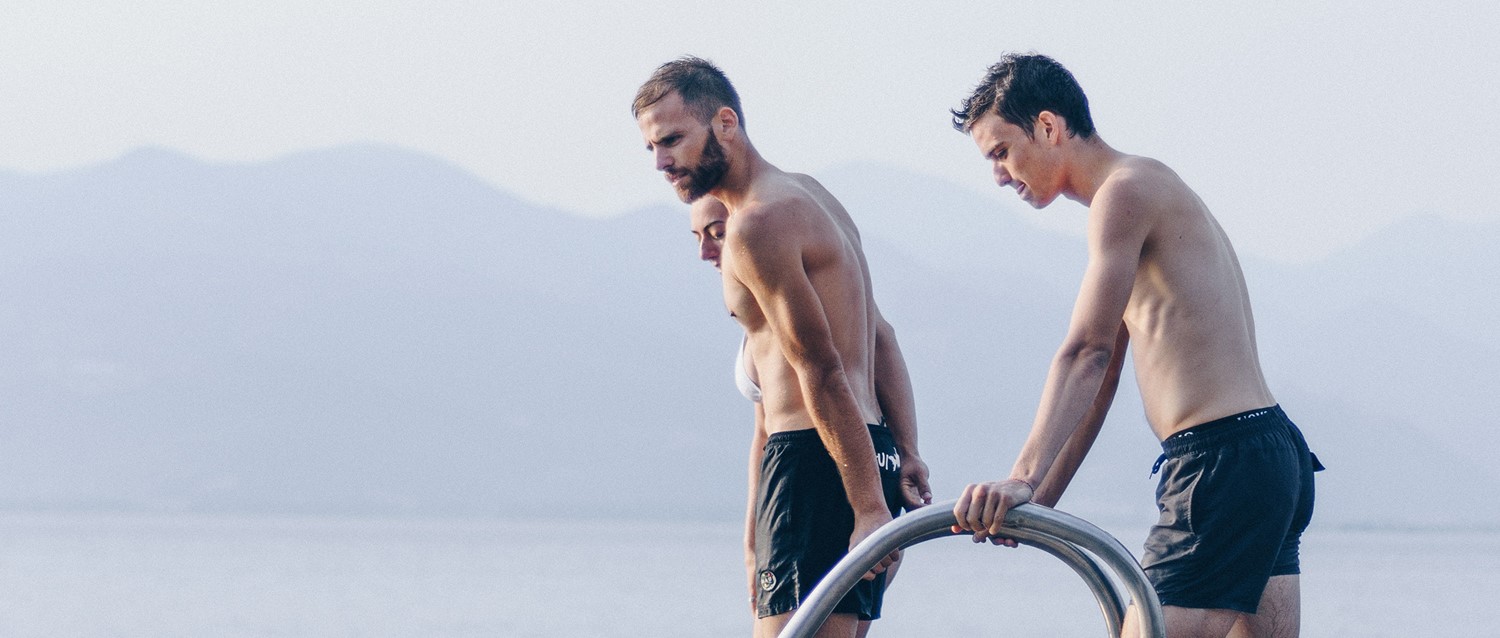
Mittlerweile haben Gesundheitskampagnen die meisten Menschen für die Bedeutung des Sonnenschutzes sensibilisiert. Dennoch benutzt ein beträchtlicher Teil der Bevölkerung an sonnigen Tagen keinen Sonnenschutz, und die Mehrheit der Schuldigen sind Männer.
von Milly Evans
Über den AutorVollständige Biografie anzeigen

Gillian Harvey
Freiberufliche Autorin
BA (Hons) Englisch
Gillian ist freiberufliche Autorin und Kolumnistin für verschiedene nationale Zeitungen und Zeitschriften.
Über den RezensentenVollständige Biografie anzeigen

Dr. Sarah Jarvis
Klinische Beraterin
MA (Cantab), BM, BCh (Oxon), DRCOG, FRCGP, MBE
Nach ihrer medizinischen Ausbildung in Cambridge und Oxford wurde Dr. Sarah Jarvis MBE Hausärztin.
Artikelverlauf
Die Informationen auf dieser Seite werden von qualifizierten Klinikern begutachtet.
Artikel auch verfügbar in Englisch, Deutsch, Spanisch, Französisch, Italienisch, Portugiesisch, Hindi, Hebräisch, Arabisch, und Schwedisch.
23 Jun 2020 | Ursprünglich veröffentlicht
Verfasst von:
Gillian HarveyFachlich geprüft von
Dr. Sarah Jarvis

Fragen, teilen, verbinden.
Durchsuchen Sie Diskussionen, stellen Sie Fragen und teilen Sie Erfahrungen zu Hunderten von Gesundheitsthemen.

Fühlen Sie sich unwohl?
Bewerten Sie Ihre Symptome online kostenlos
Abonnieren Sie den Patienten-Newsletter
Ihre wöchentliche Dosis klarer, vertrauenswürdiger Gesundheitsberatung - geschrieben, um Ihnen zu helfen, sich informiert, selbstbewusst und in Kontrolle zu fühlen.
Durch das Abonnieren akzeptieren Sie unsere Datenschutzrichtlinie. Sie können sich jederzeit abmelden. Wir verkaufen Ihre Daten niemals.
Mehr über Haut-, Nagel- und Haargesundheit
- 8 Ursachen für Akne am Rücken
- Häufige Ursachen für eine juckende Kopfhaut
- Häufige Rosazea-Auslöser und wie man sie vermeidet
- Könnten Sie allergisch gegen die Sonne sein?
- Bietet ein Feuchtigkeitscreme mit SPF ausreichend Sonnenschutz?
- Alles, was Sie über Babyekzeme wissen müssen
- Lebensmittel, die helfen, Hautprobleme zu verbessern
- Glykolsäure: Hautpflegevorteile, Nebenwirkungen und mehr
- Wie man Zeckenbisse und Lyme-Borreliose vermeidet
- Wie Sie die perfekten Laufschuhe für Ihre Füße finden
- Wie Sie Ihre Kinder diesen Sommer vor der Sonne schützen
- Wie Ihre Umgebung Hautzustände beeinflusst
- Verursacht Ihr Trainingsprogramm Akne?
- Die gesundheitlichen Vorteile von Meerwasser
- Wie es wirklich ist, mit Rosazea zu leben
- Was tun bei überschüssigem Körperhaar
- Was tun, wenn Psoriasis Sie belastet
- Warum tragen Männer seltener Sonnencreme?
- Warum Ekzeme jucken - und wie man es stoppt
- Warum Haarausfall Ihre psychische Gesundheit ernsthaft beeinträchtigen kann