Die Kraft der Nostalgie: Was ist Reminiszenztherapie?
Begutachtet von Dr Doug McKechnie, MRCGPVerfasst von Victoria RawUrsprünglich veröffentlicht 1. Okt 2024
Erfüllt die Anforderungen des Patienten Richtlinien des Patienten
- HerunterladenHerunterladen
- Teilen
- Language
- Diskussion
- Audio-Version
- Zu bevorzugten Quellen bei Google hinzufügen
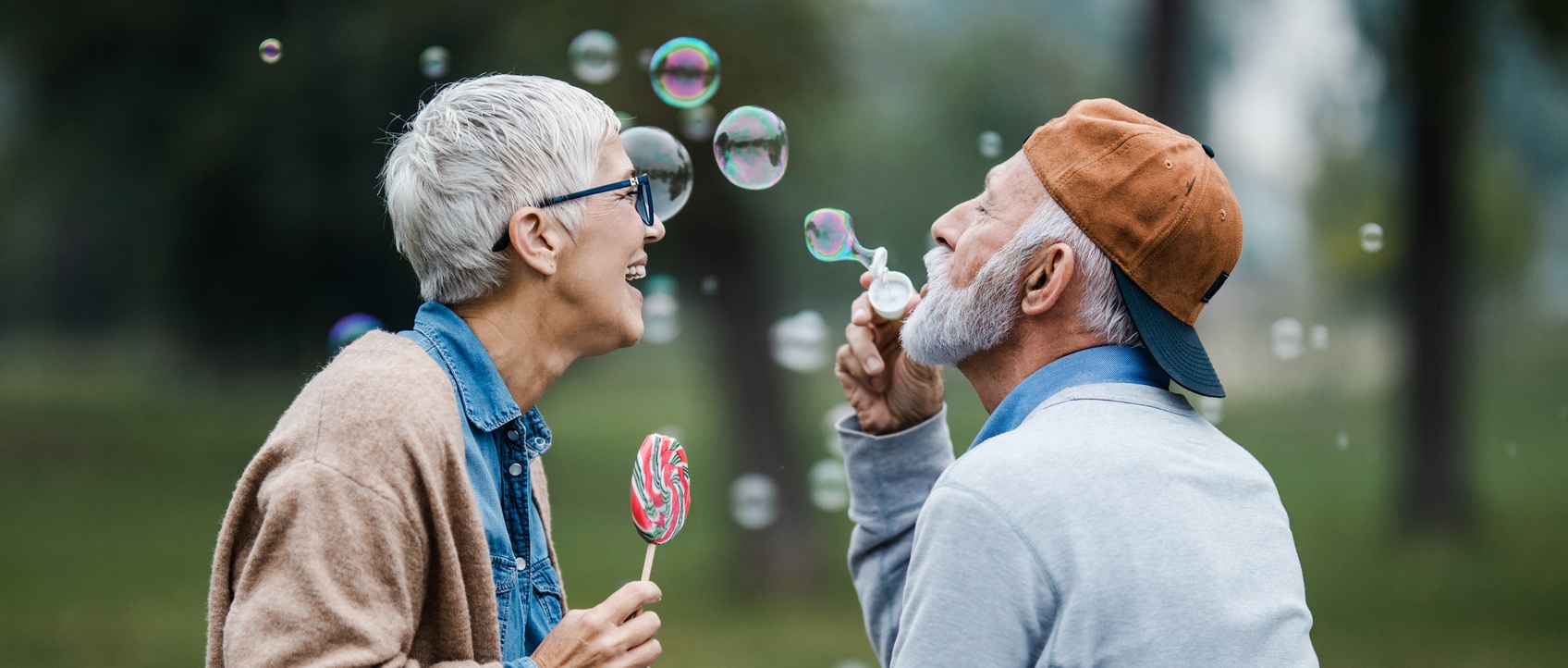
Ein Hauch von Nostalgie kann die Stimmung heben. Aber es könnte auch das Gehirn stärken und das Herz erwärmen. Positive Rückblicke auf die Vergangenheit werden nun als therapeutisches Werkzeug für Menschen mit Demenz eingesetzt. Wenn ein geliebter Mensch mit kognitivem Abbau konfrontiert ist, erfahren Sie, wie die Kraft der Erinnerungstherapie ihr Leben positiv beeinflussen könnte.
What is reminiscence therapy?
Reminiscence therapy (RT) - sometimes called life review therapy - was introduced in 1963 by psychiatrist Robert Butler as a treatment for older adults experiencing dementia or cognitive decline. This process involves group therapy sessions led by a trained professional who uses prompts to draw out and encourage exchanges of positive memories.
It aims to use these thoughts, feelings and past remembrances to improve cognitive function and emotional wellbeing in the present.
Helene Cross, a registered nurse and Clinical Support Specialist at Loveday, London UK, describes RT as a person-centred approach that harnesses memories to stimulate communication and emotional engagement in people with dementia.
How reminiscence therapy works
Some people with conditions such as Alzheimer's disease and dementia may find it difficult to remember experiences from their past. Using various techniques, RT aims to reconnect a person with these forgotten memories, to help reclaim their personal identity. These techniques can include art, music, video, audio clips, soundscapes, objects, smells, and group storytelling.
Virtual reality-reminiscence therapy (VR-RT) is sometimes used alongside more simple reminiscence therapy techniques. This provides personalised VR experiences that digitally recreate immersive settings from the past to evoke memories and emotions.
According to Dr Emer MacSweeney, CEO and Consultant Neuroradiologist at ReCognition Health, London, UK, RT engages long-term memory networks, which often remain intact in people with dementia - even as their short-term memory declines.
"The hippocampus - crucial for memory formation - and the prefrontal cortex - involved in retrieval of memories - are less affected in earlier stages of dementia compared to other brain regions involved in short-term recall," she says. "By activating these areas through sensory cues such as familiar sounds, sights, and smells, RT strengthens the brain’s capacity to access stored memories."
What are the techniques used in reminiscence therapy?
RT suggests that - with the right tools - dormant memories can be revived to help people reconnect with their personal histories, along with their sense of self.
Cross says that these tools are adapted according to different cognitive abilities. People with advanced dementia may benefit from simpler cues, while more complex objects or media are used for those in the early stages, to encourage engagement without frustration.
"It’s important that a personalised approach is taken for each person to get the most out of it," she advises.
Cross suggests the following techniques as being especially effective in RT:
Old family albums - emotional belonging and social engagement.
Playing familiar songs - nostalgia and conversation points.
Smells - baking, planting flowers, spraying perfumes to recall the past.
Pet visits - familiarity, comfort, igniting fond memories.
She adds: "For some people - particularly those with sensitivities or who are in the later stages of dementia - breathing exercises paired with animal interactions have been effective ways in which to calm the mind and body. This multi-sensory approach - combining touch, sight and emotional connection - helps create a relaxed environment that encourages reminiscence.
Memory boxes are another effective tool used in RT to stimulate memories from past experiences. These boxes can include familiar objects and photos which act as talking points and help people recognise their personal living space."
Benefits of reminiscence therapy
While research on reminiscence therapy is limited, studies suggest it can have beneficial effects on the quality of life and psychological wellbeing of dementia patients. It can potentially reduce symptoms such as depression and anxiety, lift mood, enhance communication skills and improve cognitive function.
MacSweeney says this is because emotional brain centres - such as the amygdala - are stimulated during reminiscence, triggering feelings of happiness and nostalgia.
This level of emotional engagement helps to:
Lower stress and anxiety.
Boost mood.
Improve speech.
Stimulate cognitive function.
Encourage social interaction.
Strengthen connection to the present.
"Neuroplasticity - the brain’s ability to reorganise and form new neural connections - may be encouraged through this process," she says. "This could potentially slow the cognitive decline associated with dementia."
Cross adds that RT can also help family members, health professionals, and caregivers better understand people's behaviours and personalities. This could help further improve their overall standard of living.
She says: "Quality of life improvements are often measured using observational assessments of mood, behaviour and engagement levels, alongside their feedback and observations by carers and loved ones."
Reminiscence therapy for dementia
While RT shows promise in reducing some negative effects of dementia, it has its limitations. In advanced dementia - when a person loses the ability to access stored memories - the effects of RT can be weaker.
MacSweeney says: "As the neural circuits responsible for memory deteriorate, the brain's ability to retrieve long-term memories - which RT relies on - diminishes. In advanced dementia, this can make the therapy less effective, or even impossible, as the person loses the capacity to recall memories."
She also explains that while RT is designed to evoke positive memories, some may be distressing or traumatic, and lead to emotional discomfort or increased agitation.
Cross says that negative memories may surface, causing distress, which means some people might struggle to engage meaningfully with RT. To overcome this, she suggests RT should be tailored specifically to the person's life story - focusing on positive memories and using familiar, comfortable objects.
She adds: "A trained therapist can navigate these issues by guiding the sessions sensitively and adjusting techniques as the disease advances."
Reminiscence therapy may be a valuable tool for promoting wellbeing in older adults. However, it should only be conducted by a healthcare professional trained in RT. Because it is considered an alternative type of therapy, it may not be as readily available as more conventional forms. Ask your doctor for recommendations, or contact local care homes for advice on RT therapists organising activities in your area.
Patientenauswahl für Gedächtnisverlust und Demenz
Gehirn und Nerven
Wie man das Stigma der Demenz bekämpft
Heutzutage sprechen wir ziemlich offen über sexuell übertragbare Infektionen. Drogenmissbrauch und Alkoholismus sind keine Neuigkeiten mehr, vor allem unter Prominenten. Sogar Krebs – einst als 'das große C' bezeichnet – wird heute in den Medien offen angesprochen, von Menschen, die ihre Erfahrungen teilen möchten. Demenz hingegen bleibt eine der letzten 'Stigma'-Krankheiten. Menschen, die mit Demenz diagnostiziert wurden, und ihre Angehörigen scheinen sich schämen, die Diagnose zu offenbaren, bis sie nicht mehr verborgen werden kann.
von Dr. Laurence Knott

Gehirn und Nerven
Können psychische Probleme und Stress Ihr Gedächtnis beeinträchtigen?
Viele von uns fühlen sich in Zeiten von Stress und Angst manchmal vergesslicher als sonst. Warum ist das so, und was sollten wir tun, wenn wir neben schlechter mentaler Gesundheit auch unter Gedächtnisproblemen leiden?
von Abi Millar
Über den AutorVollständige Biografie anzeigen
Victoria Raw
Feature-Autorin
BA (Hons), Englische Literatur
Victoria ist eine Content-Autorin bei Patient, deren besondere Interessen sich auf das mentale Wohlbefinden, gesellschaftliche Trends und den Einfluss der Technologie auf unsere Gesundheit konzentrieren.
Über den RezensentenVollständige Biografie anzeigen

Dr Doug McKechnie, MRCGP
Medizinischer Autor
MA, MBBS, MSc, DRCOG, MRCP(UK), MRCGP(2021), FHEA
Dr. Doug McKechnie ist ein NHS-Hausarzt, der in London arbeitet. Er arbeitet klinisch in Vollzeit und ist außerdem stellvertretender Leiter des Moduls für klinische und berufliche Praxis an der University College London Medical School.
Artikelverlauf
Die Informationen auf dieser Seite werden von qualifizierten Klinikern begutachtet.
Artikel auch verfügbar in Englisch, Deutsch, Spanisch, Französisch, Italienisch, Portugiesisch, Hindi, Hebräisch, Arabisch, und Schwedisch.
Nächste Überprüfung fällig: 3. Okt. 2027
1. Okt 2024 | Ursprünglich veröffentlicht
Verfasst von:
Victoria RawBegutachtet von
Dr Doug McKechnie, MRCGP

Fragen, teilen, verbinden.
Durchsuchen Sie Diskussionen, stellen Sie Fragen und teilen Sie Erfahrungen zu Hunderten von Gesundheitsthemen.

Fühlen Sie sich unwohl?
Bewerten Sie Ihre Symptome online kostenlos
Abonnieren Sie den Patienten-Newsletter
Ihre wöchentliche Dosis klarer, vertrauenswürdiger Gesundheitsberatung - geschrieben, um Ihnen zu helfen, sich informiert, selbstbewusst und in Kontrolle zu fühlen.
Durch das Abonnieren akzeptieren Sie unsere Datenschutzrichtlinie. Sie können sich jederzeit abmelden. Wir verkaufen Ihre Daten niemals.
Mehr über Gehirn und Nerven
- Alex Mitchell über Comedy, Behinderung - und warum er nicht als inspirierend bezeichnet werden möchte
- Autismus-Mythen entlarven
- Epilepsie und Autofahren: Was Sie wissen müssen
- Experten bestreiten neue Studie, die Kaiserschnittgeburten mit Autismus in Verbindung bringt
- Hausmittel zur Linderung von gewöhnlichen Kopfschmerzen
- Wie ADHS Arbeit und Produktivität beeinflusst
- Wie Darmbakterien die Stimmung, Konzentration und Gehirngesundheit beeinflussen
- Umgang mit ADHS: Praktische Tipps für den Alltag
- Wie man sich vor Gürtelrose schützt
- Wie man einen Mini-Schlaganfall erkennt: Frühe Anzeichen und Symptome
- Wie man Essprobleme bei Kindern mit Autismus angeht
- Leben mit Motoneuronerkrankung - Louises Geschichte
- Popcorn-Gehirn: Was es ist, warum es passiert und wie Sie Ihren Fokus neu ausrichten können
- Mythen über Gürtelrose, die Sie nicht mehr glauben sollten
- Einfacher Rat könnte die langfristige Gesundheit von Menschen mit MS verbessern
- Was verursacht Demenz?
- Was ist das Tourette-Syndrom - und wie geht man damit um?
- Warum wurde mir der Gürtelrose-Impfstoff angeboten?
- Demenz im jungen Alter steht im Zusammenhang mit Gesundheit und Lebensstil sowie genetischen Faktoren
- Ihr Leitfaden zur Schlaganfallprävention