10 Hausmittel zur schnellen Linderung von Migräne
Migraine remedies
Fachlich geprüft von Dr Colin Tidy, MRCGPVerfasst von Heather AinsworthUrsprünglich veröffentlicht 22 Oct 2025
Erfüllt die Anforderungen des Patienten für redaktionelle Inhalte
- HerunterladenHerunterladen
- Teilen
- Language
- Diskussion
- Audio-Version
- Zu bevorzugten Quellen bei Google hinzufügen
Migraines are more than ‘just a headache.’ They can be intense, throbbing, and often come with feeling sick, light sensitivity, and the need to shut out the world. If you’ve ever found yourself desperate for relief but unsure about what works - you’re not alone.
Fortunately, there are several effective ways to manage migraines right at home.

Migraines can strike at the worst times - whether you’re working from home on a deadline, juggling the chaos of parenting, or simply trying to unwind in front of the TV.
The pain, sensitivity to light, and brain fog can make even simple tasks feel impossible. When a Migräne hits, fast relief becomes the top priority.
While not every remedy works for everyone, these home remedies are some of the most effective for easing symptoms and helping you get back on track with your day.
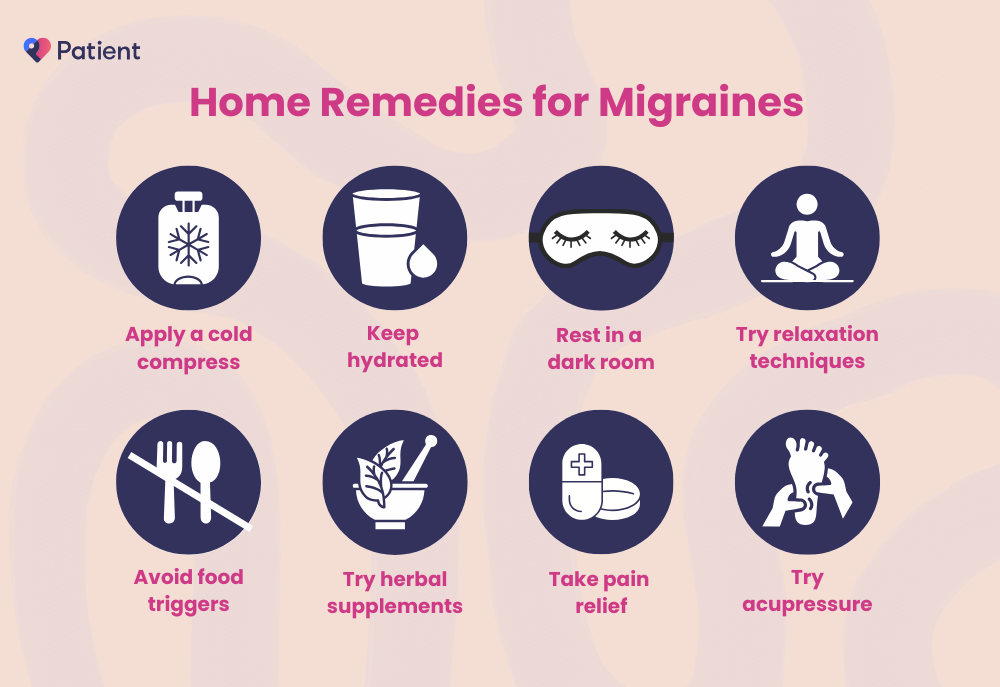
© Patient / Heather Ainsworth
Migraine remedies
1. Apply a cold compress
Using a cold compress on your forehead, neck, or temples, and moving to a cooler environment may help reduce the severity of a migraine attack.1
Use the cold compress for 15-20 minutes at a time, then take a 15 minute break before reapplying. Always ensure a cold pack is wrapped in a tea towel to avoid damaging your skin.
2. Stay hydrated
Dehydrierung can trigger or worsen migraines. 2Sip cold water slowly as rapid drinking can upset your stomach or cause brain freeze.
You can also try drinking coconut water or an electrolyte drink if you’ve been sweating a lot or having trouble eating. Aim to stay consistently hydrated throughout the day to prevent migraines from getting worse or coming back.
3. Rest in a dark, quiet room
Light and noise are major migraine triggers.3 Resting in a dark, quiet room as soon as a migraine starts may help ease symptoms.
Try:
Closing any curtains or blinds, switching off electronics, and resting your head.
Using an eye mask and earplugs for added comfort.
Even 20-30 minutes of rest in a peaceful environment could significantly reduce pain.
4. Try deep breathing or relaxation techniques
Stress is one of the most common migraine triggers.4 Adding relaxation into your daily routine may help prevent and relieve migraines.
Try:
Deep breathing: inhale slowly for 4 seconds, hold for 4, and exhale for 4, and repeat.
Gentle yoga or stretching: stretch your neck or shoulders to help remove tension.
Regular relaxation practice could lower stress hormones and improve overall migraine control.
5. Take supplements
Supplements including magnesium, vitamin B2 (riboflavin), coenzyme Q10, vitamin D, and omega-3 may help manage and prevent migraines by improving energy levels in brain cells, calming nerve activity, and reducing inflammation.5
You should take them daily for several months to determine if they are effective.
6. Try acupressure
Applying pressure to specific points on the body may promote relaxation, improve blood flow, and reduce muscle tension, which may lessen the intensity or frequency of migraine pain.6
Common pressure points for migraine relief are the head, face, arms, hands, and feet.
7. Limit screen time
Limiting screen time could help reduce migraines by preventing eye strain, bright light exposure, and overstimulation that can trigger or worsen headache pain.7
If you really need to be viewing a screen, try turning down the brightness to help with light sensitivity.
8. Try herbal remedies
Some herbal remedies such as peppermint, ginger, and lavender oil, might help relieve migraine symptoms by relaxing muscles,8 reducing inflammation,9 and blocking pain signals.10
Try:
Putting a few drops of diluted peppermint oil into a bath.
Taking a ginger supplement or massaging diluted essential ginger oil into your temples.
Adding a few drops of lavender oil into hot water and inhaling the vapour or massaging it into the skin.
9. Avoid food triggers
Avoiding common food triggers such as aged cheeses, processed meats, chocolate, alcohol, caffeine , artificial sweeteners, and pickled or fermented foods, may help prevent migraines from happening or worsening.11
Triggers can vary from person to person, so keeping a food and symptom diary can help identify personal sensitivities.
10. Take non-steroidal anti-inflammatory drugs (NSAIDs)
Sometimes, combining natural remedies with medicine is the most effective approach for quick pain relief.
Common over-the-counter NSAIDs include:
Ibuprofen.
Aspirin.
For best results, take the medicine as soon as symptoms begin. Avoid frequent use - more than twice a week - as overuse can lead to rebound headaches.
When to see a doctor for migraines
Dr Katy Munro, GP and Senior Headache Specialist at the National Migraine Centre, explains: “You should seek urgent medical attention if you experience any of the following:
Sudden, severe headache.
A new headache with fever, neck stiffness, or altered mental status.
Weakness, vision loss, or confusion.
A headache with painful red eye and changes to your vision.
A headache after trauma - such as a fall.
A headache if you have a weak immune system, are pregnant, or have cancer.
Any of these symptoms could be a sign of something serious that requires emergency treatment.
"See a doctor if your migraine is not responding to treatment, is getting worse over time, or lasts longer than 7 days,” she says.
Zusammenfassung
For fast migraine relief at home you should stay hydrated, rest in a dark room, use a cold compress, try relaxation techniques, limit screen time, avoid food triggers, and take NSAIDs.
Everyone’s migraine triggers are different, so try a few strategies to see what works best for you, and keep track of patterns with a migraine trigger diary.
For more information on how to treat migraines, read our information leaflet called migraine treatment.
Patientenauswahl für Migräne
Gehirn und Nerven
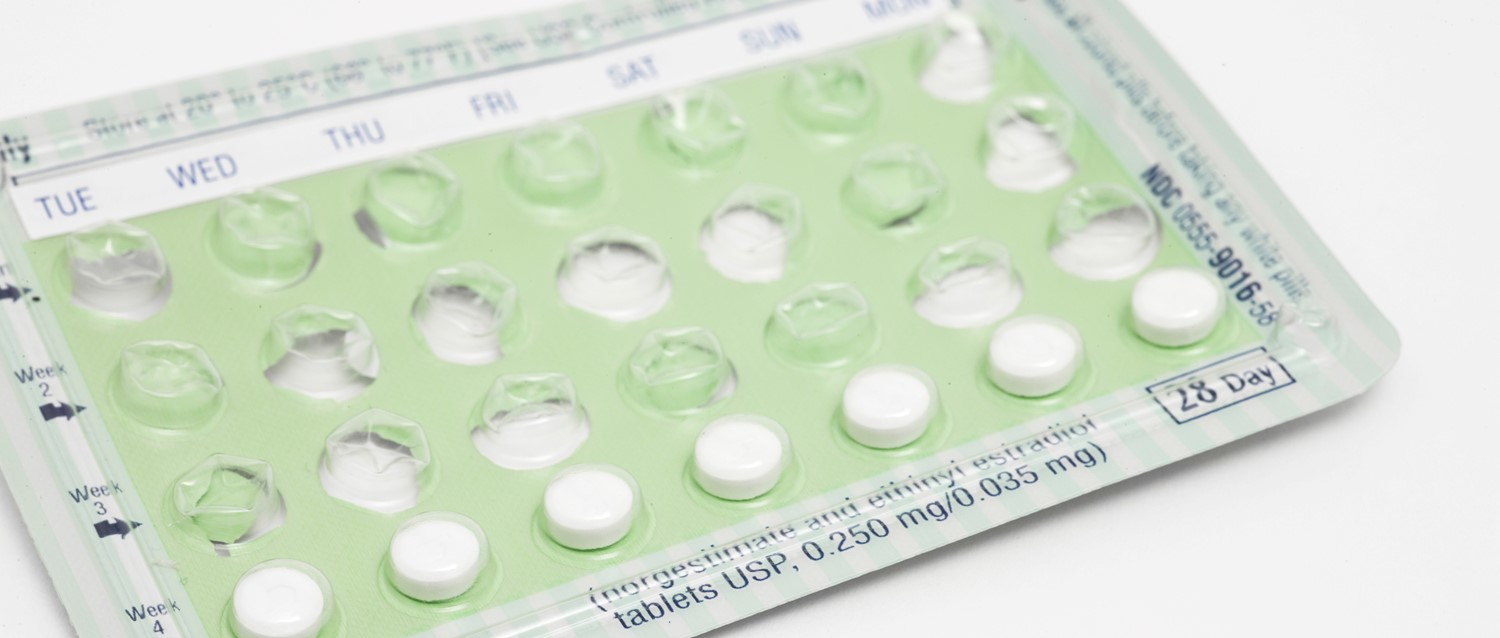
Sollten Sie die Pille vermeiden, wenn Sie Migräne haben?
Seit Jahrzehnten wird Migränepatientinnen mit Aura geraten, die Antibabypille zu vermeiden, da das Risiko eines Schlaganfalls leicht erhöht ist. Aber ist das noch immer der Fall? Wir fragen Experten nach den neuesten Empfehlungen und welcher Verhütungsart am besten für Menschen mit Migräne geeignet ist.
von Georgia Gallant

Gehirn und Nerven
Könnte Histamin die Ursache Ihrer Migräne sein?
Hier im Vereinigten Königreich betrifft Migräne 1 von 7 Personen und ist häufiger als Diabetes, Epilepsie und Asthma zusammen. Es ist die häufigste und behinderndste neurologische Störung im Vereinigten Königreich mit 190.000 Attacken täglich. Wir untersuchen die Beweise, die Histamin und Migräne in Verbindung bringen, sowie die verfügbaren Behandlungsoptionen.
von Ginny Weeks
Häufig gestellte Fragen
Wann sollte ich in Erwägung ziehen, wegen meiner Migräne einen Arzt aufzusuchen?
Sie sollten dringend medizinische Hilfe bei einer Migräne in Anspruch nehmen, wenn Sie einen plötzlichen, starken Kopfschmerz erleben; einen neuen Kopfschmerz, der von Fieber, Nackensteifheit oder verändertem Geisteszustand begleitet wird; Schwäche, Sehverlust oder Verwirrung; einen Kopfschmerz mit einem schmerzhaften roten Auge und Veränderungen Ihres Sehvermögens; einen Kopfschmerz nach einem Trauma wie einem Sturz; oder einen Kopfschmerz, wenn Sie ein schwaches Immunsystem haben, schwanger sind oder Krebs haben. Diese Symptome könnten auf eine ernsthafte Erkrankung hinweisen, die eine Notfallbehandlung erfordert. Außerdem sollten Sie einen Arzt aufsuchen, wenn Ihre aktuelle Migränebehandlung nicht wirkt, Ihre Migräne im Laufe der Zeit schlimmer wird oder wenn ein Anfall länger als sieben Tage anhält.
Wie lange dauert es normalerweise, bis Nahrungsergänzungsmittel eine Wirkung auf Migräne zeigen?
Nahrungsergänzungsmittel wie Magnesium, Vitamin B2 (Riboflavin), Coenzym Q10, Vitamin D und Omega-3 können helfen, Migräne zu bewältigen und vorzubeugen. Damit diese wirksam sind, sollten Sie sie täglich über mehrere Monate einnehmen, um festzustellen, ob sie für Sie wirken.
Was ist ein Medikamentenübergebrauchskopfschmerz und wie kann ich ihn vermeiden?
Rebound-Kopfschmerzen können durch den häufigen Gebrauch von nichtsteroidalen entzündungshemmenden Medikamenten (NSAIDs) zur Linderung von Migräne auftreten. Um dies zu vermeiden, wird empfohlen, die Verwendung dieser Medikamente auf nicht mehr als zweimal pro Woche zu beschränken.
Gibt es spezielle Atemübungen, die bei der Linderung von Migräne helfen können?
Ja, tiefes Atmen kann eine hilfreiche Entspannungstechnik sein. Um dies zu üben, atmen Sie langsam vier Sekunden lang ein, halten Sie den Atem vier Sekunden lang an und atmen Sie dann vier Sekunden lang aus. Das Wiederholen dieser Übung kann helfen, Stresshormone zu senken und die allgemeine Migränekontrolle zu verbessern.
Wie kann ich meine persönlichen Migräneauslöser identifizieren, insbesondere in Bezug auf Lebensmittel?
Um Ihre persönlichen Migräneauslöser, einschließlich Nahrungsmittelunverträglichkeiten, zu identifizieren, ist es hilfreich, ein Ernährungs- und Symptomtagebuch zu führen. Indem Sie verfolgen, was Sie essen und wann Ihre Migräne auftritt, können Sie Muster erkennen und verstehen, was zu Ihren Anfällen beitragen könnte.
Weiterführende Literatur und Referenzen
- 1Sprouse-Blum et al: Targeted Neck Cooling in the Treatment of the Migraine Patient
- Korsha et al: Association of drinking water and migraine headache severity
- Artemenko et al: Migraine and light: A narrative review
- Stubberud et al: Is there a causal relationship between stress and migraine?
- Hajhashemy et al: Practical supplements for prevention and management of migraine attacks
- Hsieh LL et al: Effect of acupressure and trigger points in treating headache
- Roy et al: Increased screen time and its association to migraine and tension-type headache
- Sasannejad et al: Lavender essential oil in the treatment of migraine headache
- Rondanelli et al: Clinical trials on pain lowering effect of ginger
- Rafieian-Kopaei et al: Comparing the Effect of Intranasal Lidocaine 4% with Peppermint Essential Oil Drop 1.5% on Migraine Attacks
- Hindiyeh et al: The Role of Diet and Nutrition in Migraine Triggers and Treatment
Über den AutorVollständige Biografie anzeigen

Heather Ainsworth
SEO-Managerin
BA (Hons) Betriebswirtschaft und Marketing, IDM Zertifikat DDM, MHFAider®
Heather is the SEO Manager at Patient and a trained Mental Health First Aider. She is also a regular health writer, covering a wide range of topics with a particular interest in mental wellbeing, women's health, and holistic health.
Über den RezensentenVollständige Biografie anzeigen

Dr Colin Tidy, MRCGP
Allgemeinmediziner, Medizinischer Autor
MBBS, MRCGP, MRCP (Paediatrics), DCH
Dr. Colin Tidy ist ein NHS-Arzt mit Sitz in Oxfordshire.
Artikelverlauf
Die Informationen auf dieser Seite werden von qualifizierten Klinikern begutachtet.
Artikel auch verfügbar in Englisch, Deutsch, Spanisch, Französisch, Italienisch, Portugiesisch, Hindi, Hebräisch, Arabisch, und Schwedisch.
Nächste Überprüfung fällig: 22. Okt. 2028
22 Oct 2025 | Ursprünglich veröffentlicht
Verfasst von:
Heather AinsworthFachlich geprüft von
Dr Colin Tidy, MRCGP

Fragen, teilen, verbinden.
Durchsuchen Sie Diskussionen, stellen Sie Fragen und teilen Sie Erfahrungen zu Hunderten von Gesundheitsthemen.

Fühlen Sie sich unwohl?
Bewerten Sie Ihre Symptome online kostenlos
Abonnieren Sie den Patienten-Newsletter
Ihre wöchentliche Dosis klarer, vertrauenswürdiger Gesundheitsberatung - geschrieben, um Ihnen zu helfen, sich informiert, selbstbewusst und in Kontrolle zu fühlen.
Durch das Abonnieren akzeptieren Sie unsere Datenschutzrichtlinie. Sie können sich jederzeit abmelden. Wir verkaufen Ihre Daten niemals.
Mehr über Gehirn und Nerven
- Bluttest könnte Alzheimer 20 Jahre vor Symptomen vorhersagen
- Gehirnnebel: Was es ist und wie man ihn loswird
- Sich von Maskierung befreien: wie man sie versteht und überwindet
- Kann eine pflanzliche Ernährung Ihre Migräne verbessern?
- Kann die MIND-Diät helfen, unser Gehirn gesund zu halten?
- NeuKönnen Gewitter Kopfschmerzen verursachen?
- Hausmittel zur Linderung häufiger Kopfschmerzen
- Wie sollten wir Kinder mit Autismus unterstützen?
- Umgang mit ADHS: Praktische Tipps für den Alltag
- Wie man sich vor Gürtelrose schützt
- Wie man jemanden mit Demenz unterstützen kann
- Ist es Demenz oder nur Vergesslichkeit?
- Ist der Vagusnerv der Schlüssel zu unserer psychischen Gesundheit?
- Leben mit Motoneuronerkrankung - Louises Geschichte
- Mythen über Gürtelrose, die Sie nicht mehr glauben sollten
- Was verursacht Kopfdruck und Gehirnnebel?
- Was verschlimmert die Parkinson-Krankheit?
- Warum wurde mir der Gürtelrose-Impfstoff angeboten?
- Demenz im jungen Alter steht im Zusammenhang mit Gesundheit und Lebensstil sowie genetischen Faktoren
- Ihr Leitfaden zur Schlaganfallprävention