
Stories of Cancer and Hope: giving voice to lives affected by cancer
Peer reviewed by Dr Colin Tidy, MRCGPAuthored by Victoria RawOriginally published 23 Feb 2026
Meets Patient’s editorial guidelines
- DownloadDownload
- Share
- Language
- Discussion
- Audio Version
- Add to preferred sources on Google
Eight years ago, a cancer diagnosis rewrote Kevin Donaghy’s life. Today, having moved through treatment, he shows no evidence of active disease. While his health remains closely monitored, Kevin’s journey has become about much more than a clinical status - it’s an ongoing story of evolving hope.
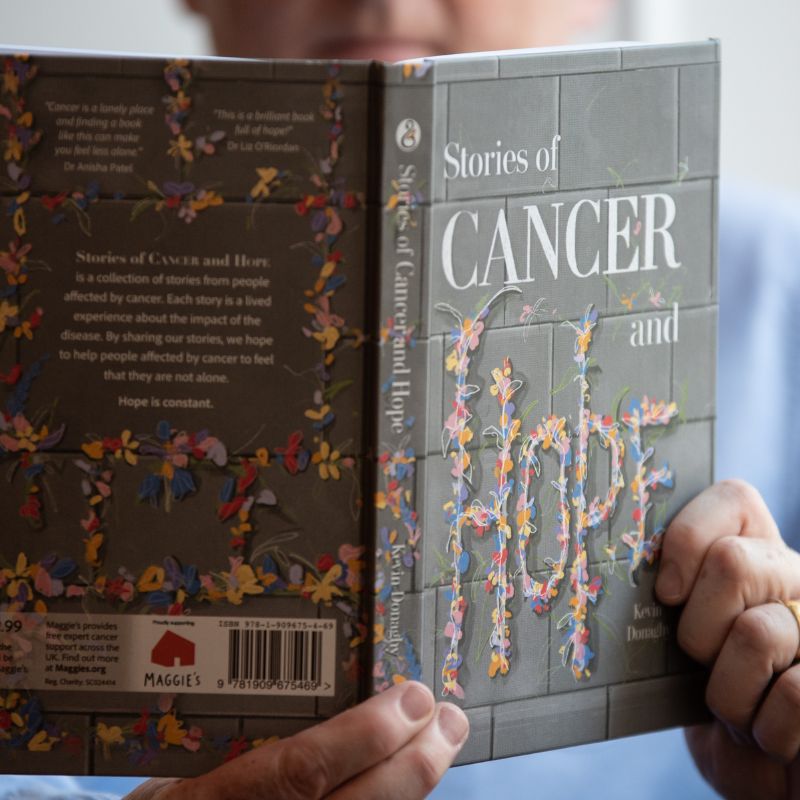
Kevin’s experience has had a profound impact on him, both physically and emotionally. Driven by a desire to light the way for others, he has curated 'Stories of Cancer and Hope' - a collection of voices from the heart of the cancer community. Whether you are navigating your own diagnosis or walking alongside a loved one, Kevin’s book shares powerful stories of resilience and courage, drawn from the real experiences of those living with the disease. Above all, it offers a powerful reminder that even in the darkest moments, there is connection, understanding, and the reassurance that you are not alone.
When a diagnosis changes everything
Kevin’s cancer journey came in two waves. The first was in 2018, ending with a stage two melanoma removal and a 'cancer-free' diagnosis. The second arrived eighteen months later. What started as routine back pain ended with a devastating diagnosis of stage four, incurable melanoma.
He recalls: “I went from weeping in the street with relief, to a year and a half later being confronted with the reality that, in terms of life expectancy, the odds were no longer in my favour.
“It felt like an out-of-body experience - I didn’t fully register that the oncologist was talking to me, and it took me a while to grasp the seriousness of the situation.”
After being recommended a course of immunotherapy, which he was told could extend his life, there was still no guarantee of how long that might be. As Kevin shared his diagnosis with his loved ones, the shock began to ripple throughout his family.
His thoughts were dominated not only by his own health but, even more so, by concern for how they would cope if his treatment was unsuccessful.
“My greatest fear centred around my family,” he explains. “My hope was that I could be there for at least a few more years, a few more Christmases - that became a big focus for me.”
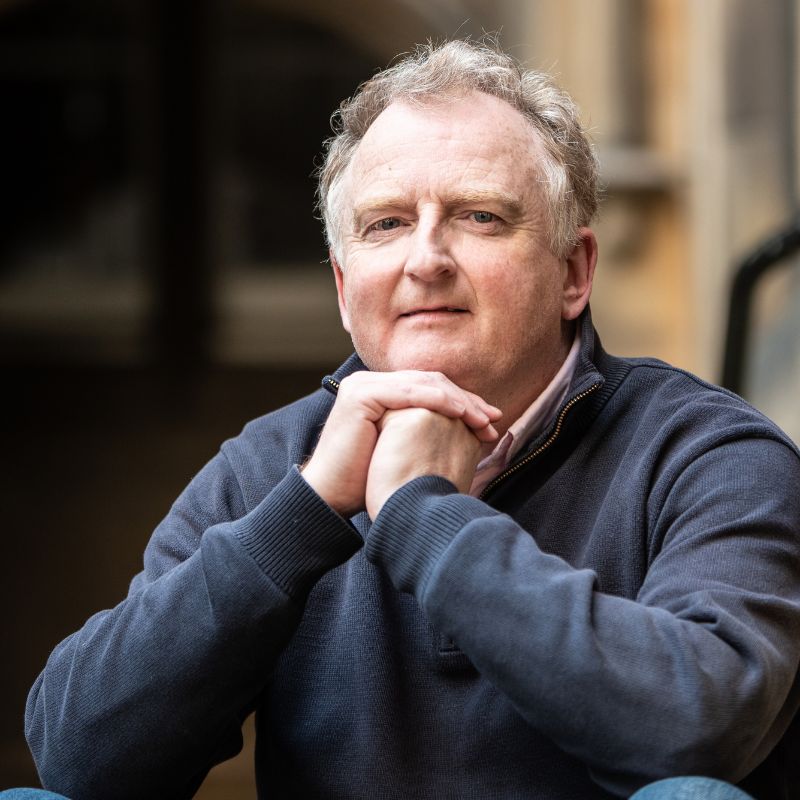
Kevin Donaghy, Stories of Cancer and Hope
The many forms of hope
As Kevin worked on 'Stories of Cancer and Hope', he realised that hope was everywhere. Just as he held onto it for his family, others discovered it in their own ways - through small triumphs, meaningful connections, and the courage to keep sharing their journeys.
Kevin admits he hadn’t consciously thought much about hope before, but while compiling each story, he realised how deeply it mattered to people.
Among the many contributions, one story from an oncology nurse deeply resonated with him.
“She said something very profound,” Kevin recalls. “She said, ‘Hope is constant, hope is always there. But sometimes that changes.’
“Hope does change throughout your journey. In my case, before my diagnosis, I hoped it wasn’t cancer. Afterwards, I hoped it could be treated, and then I hoped my life could be extended. These are similar hopes you might also share with your family.”
Finding hope in an unexpected encounter
Kevin shares another story from a woman named Debbie, who was diagnosed with breast cancer shortly after returning from her honeymoon. Terrified, she walked into the treatment room at her local hospital, and found herself sitting across from a woman whose fingers were covered in diamond rings.
As Debbie stared, the woman noticed and asked if she wanted to hear the story behind them.
“She told Debbie that a number of years ago, she was diagnosed with cancer, and the prognosis wasn’t very good,” says Kevin. “Her husband promised that for every year she survived, he would buy her a diamond ring.
“She had 22 diamond rings on her fingers. That unexpected encounter gave Debbie so much hope as she was starting her own journey.”
Why talking about cancer matters
Receiving a cancer diagnosis can feel incredibly isolating. While cancer affects one in two of us in our lifetime, being told you have it can feel like it’s happening only to you. Kevin Donaghy is eager to convey in his book that whether you’ve been diagnosed, or are supporting someone who has, you are certainly not alone.
“For most people I knew in the 70s and 80s, cancer was whispered about rather than openly discussed,” says Kevin. “It was seen as almost a death sentence. But things have moved on since then.”
He explains that by talking openly about cancer, people can break through this sense of isolation. Sharing stories not only helps others feel less alone but also creates a supportive space for people to connect and heal.
“I felt privileged that people wanted to share their stories and that I could support them through this period of isolation,” says Kevin. “Sometimes they opened up about things they hadn’t shared with anyone else.”
Making space for the stories men keep hidden
One thing Kevin noticed was that those who felt they had to be the “carrier of hope” for their family - often suppressing their own feelings to appear strong - found that sharing their stories with someone who had been through a similar experience could be incredibly cathartic.
This was particularly true for many of the male contributors to his book.
“If you’re a man, you may often feel a responsibility to put on a brave face, to make everything seem fine when it might not be,” he explains. “What I found with some of the men I interviewed was that they opened up about things they’d never told anyone before - but they still wanted to share their experiences with the wider community.”
When lived experience fills the gaps
Some accounts from 'Stories of Cancer and Hope' describe cancer symptoms you might never find online or in a leaflet. They come from real, lived experience, showing how symptoms can manifest in often unforeseen ways - things that don’t always translate through static text or a purely clinical perspective.
That’s not to say you shouldn’t rely on credible sources for information about health conditions or diseases. But hearing about symptoms first-hand is very different from simply Googling a list of signs.
“There are over 200 different types of cancer, with some fantastic campaigns helping to raise awareness of the warning signs to look out for,” says Kevin. “But we also have to be advocates for our own health. You could spend your whole life Googling and self-diagnosing, but each of us has a responsibility to push for answers if we know something isn’t right.”
He goes on to explain that, in his own experience, four medical professionals told him his melanoma didn’t look cancerous. By sharing stories and talking openly about different diagnoses - and even potential misdiagnoses - there is real power in encouraging people to seek, and secure, the right care when they need it.
In proud partnership with Maggie's
Maggie’s is a charity that provides free practical and emotional support for anyone living with or affected by cancer. The first Maggie’s centre was built in Edinburgh, which is where Kevin first became aware of the incredible work they do.
There are now 27 Maggie’s centres across the UK, usually located next to major hospitals or cancer departments. They are open to anyone who feels they need help coping with the impact of cancer. All royalties from 'Stories of Cancer and Hope' are donated to Maggie’s to support their ongoing work.
Kevin explains that his relationship with Maggie’s developed some time after his own diagnosis.
“It took me a while to recover from my treatment before I could properly focus on putting my idea for the book into practice,” he says. “I just walked into Maggie’s Edinburgh, with nothing to show, explained my idea for the book, and within 24 hours they came back and said they’d love to have copies of 'Stories of Cancer and Hope' in every centre.”
Since then, Kevin has built a strong connection with Maggie’s, reinforced by the presence of his book in every support hub. He hopes it helps those who access their services and gives people who might not know what to say to someone living with cancer the courage to reach out, having gained a personal insight into what it’s like to live with the disease. Similarly, he hopes the book helps health professionals see the person behind the diagnosis.
“Maggie’s offers so many different services,” says Kevin. “They run classes, bring in people for alternative therapies, and provide advice on financial assistance. In each centre, ex-oncology nurses are there to provide support.
“You just walk in. Someone will come to you, offer you a cup of tea or coffee, and try to figure out why you’ve walked through the door.”
When treatment ends but the struggle doesn’t
When your cancer treatment finishes, the story doesn’t end there. Caring for your mental health in the aftermath is just as essential as the physical challenge. It’s a difficult time - especially when your support system shrinks just as you’re beginning to process the trauma you’ve endured.
Kevin explains that while you’re in the system, undergoing treatment, there are countless people to guide and support you through the procedures and side effects. But once the cancer has been removed, or you’re in remission and it’s under control, that network can disappear.
“This can be traumatic for a number of people,” he says. “Your safety net is suddenly gone.”
He shares one particular story from his book, about a contributor, named Keith, who had treatment for non-Hodgkin's lymphoma.
“He felt fine during the treatment,” Kevin explains. “But the moment it ended, that’s when the real impact hit. He had to go for counselling to cope with being out of the system and suddenly solely responsible for whatever came next.”
Honouring lives that live on through stories
As Kevin collected stories from people sharing similar experiences of cancer, he began to forge friendships with them. This helped him feel less isolated in his own diagnosis, even as he understood that some of these friendships would inevitably be lost along the way.
“It could have been very easy to have 39 stories in the book where everyone lived happily ever after,” Kevin says. “But that is not the reality of cancer. The vast majority of people who contributed are still with us and living fantastic lives.
“Some of them will die in the future - not necessarily from cancer - but we knew we had to include their stories. We knew we would lose people as time went on.”
Kevin adds that he remains in close contact with all the contributors to 'Stories of Cancer and Hope'. For those who are no longer with us, he ensures their families have a chance to continue their story.
“For anyone who has left us, their family always gets the option to add something to their story,” he explains. “My name may be on the front, but this book is as much theirs as it is mine. It’s so important for their voices to continue to be heard. It’s hard when we lose a contributor, but keeping their story alive is essential - hopefully for years to come.”
Why Anna’s story strikes a chord
One contributor who holds special significance for Kevin is Anna. Her story is represented at the start of the book by an artist’s impression of Anna playing the piano - illustrated by Kevin’s daughter, Katherine.
“Anna was the only story contributor who didn’t get to see the book produced,” Kevin explains. “Unfortunately, she passed away a few months beforehand. She was a professor of music, and a fantastic musician.
“At her funeral, they played a ten-second video of Anna playing the piano. It was taken by her husband David, while on holiday in Denmark, even as she was living with cancer. In the video, she’s playing ‘When I’m Sixty-Four’ by the Beatles. Bizarrely, Anna was 64 when she died.”
A message for everyone affected by cancer
Whether you are living with cancer or supporting someone who is, you are never walking this path alone. Beyond the vital support of charities such as Maggie’s, there is strength to be found in the shared experiences of others.
This is the heart of Kevin’s mission.
Though his own sense of hope has evolved through every stage of his diagnosis, his latest purpose is to offer that hope to you. Through the pages of 'Stories of Cancer and Hope', he aims to remind every reader that while their journey is unique, they belong to a community that truly understands.
“It takes a while to process your diagnosis,” he says. “Hopefully, by reading other people’s stories, you might feel encouraged to talk to those affected by cancer - or even to share your own story.
“Remember, you are not alone. Whatever you’re going through, whatever your fears or hopes are, there are other people going through something similar. Once you make that connection - whether it’s through reading a story or meeting someone in person - it helps. It absolutely helps.”
Patient picks for Information about cancer

Cancer
Cancer symptoms you should never ignore
When it comes to unexplained medical symptoms, it's easy to bury your head in the sand and ignore them, especially if they're a bit embarrassing to discuss. But getting them checked out by a doctor could end up saving your life. Here are the cancer symptoms you should never ignore.
by Lynn Stephen

Cancer
What are the early warning signs of bowel cancer?
It’s easy to dismiss a change in your toilet habits or to brush off stomach aches and bloating as dietary issues. However, if these issues are persistent and unexplained, they may be signs of bowel cancer - and spotting them early is very important.
by Lynn Stephen
Frequently asked questions
What is the primary message Kevin Donaghy wants to convey in his book about cancer?
Kevin Donaghy's main message is that whether you have been diagnosed with cancer or are supporting someone who has, you are not alone. He aims to break the sense of isolation often felt by those affected by cancer, showing that sharing experiences can create a supportive community.
How did Kevin Donaghy become involved with Maggie's charity?
Kevin discovered Maggie's Edinburgh after his own diagnosis, some time after recovering from his treatment. He approached them with his idea for 'Stories of Cancer and Hope', and they readily agreed to distribute copies of his book in all their centres. This partnership developed into a strong connection, with all royalties from the book going to Maggie's.
Does 'Stories of Cancer and Hope' only feature positive outcomes and recovery stories?
No, the book aims to reflect the reality of cancer. While many contributors are living fulfilling lives, Kevin acknowledges that some friendships forged during the process would inevitably be lost. He deliberately included stories from individuals who might not survive their disease, ensuring their experiences are still shared and their families have the option to continue their stories after they are gone.
What kind of support does Maggie's offer to people affected by cancer?
Maggie's offers a wide range of free practical and emotional support. This includes classes, alternative therapies, and advice on financial assistance. Each centre has ex-oncology nurses available to provide support, and visitors can simply walk in, be offered refreshments, and discuss their needs.
Why is it important for men to share their experiences with cancer?
Kevin noted that men often feel a responsibility to appear strong and suppress their feelings when facing cancer. Sharing their stories with others who have similar experiences can be incredibly cathartic, allowing them to open up about things they might not have told anyone else before, while also contributing to the wider community's understanding.
About the authorView full bio
Authored by

Victoria Raw
Feature Writer
BA (Hons), English Literature
Victoria is a content writer at Patient, with special interests spanning mental wellbeing, societal trends and the impact of technology on our health.
About the reviewerView full bio

Dr Colin Tidy, MRCGP
General Practitioner, Medical Author
MBBS, MRCGP, MRCP (Paediatrics), DCH
Dr Colin Tidy is an NHS Doctor, based in Oxfordshire.
Article history
Article also available in English, German, Spanish, French, Italian, Portuguese, Hindi, Hebrew, Arabic, and Swedish.
Next review due: 23 Feb 2029
23 Feb 2026 | Originally published
Authored by:
Victoria RawPeer reviewed by
Dr Colin Tidy, MRCGP
Join the conversation
Share your thoughts or experiences with others in our patient communities.

Ask, share, connect.
Browse discussions, ask questions, and share experiences across hundreds of health topics.

Feeling unwell?
Assess your symptoms online for free
Sign up to the Patient newsletter
Your weekly dose of clear, trustworthy health advice - written to help you feel informed, confident and in control.
By subscribing you accept our Privacy Policy. You can unsubscribe at any time. We never sell your data.