Was wir über die IHU COVID-19-Variante wissen
Begutachtet von Dr Sarah Jarvis MBE, FRCGPZuletzt aktualisiert von Lydia SmithLast updated 19. Jan 2022
Erfüllt die Anforderungen des Patienten Richtlinien des Patienten
- HerunterladenHerunterladen
- Teilen
- Language
- Diskussion
- Audio-Version
- Add to preferred sources on Google
As long as COVID-19 continues to spread, mutations of the virus will continue to happen. Although the UK is still grappling with the large number of cases of the easily transmissible Omicron variant, researchers have been reporting on a new strain called B.1.640.2 or IHU detected in France. But is it as worrying as other variants of COVID-19 - and what do we know about it so far?
In diesem Artikel:
Video picks for Informationen zu Varianten
Lesen Sie unten weiter
What is the IHU variant?
At the end of 2021, researchers discovered a new COVID-19 variant in France. According to a Studie that is yet to be peer-reviewed, the strain was found in a vaccinated French traveller who had returned from Cameroon in Africa in November. The researchers noted that he developed mild respiratory symptoms the day before he was diagnosed. The variant was named B.1.640.2 or IHU after Institut Hospitalier Universitaire in Marseilles, one of the places where it was identified.
Respiratory samples collected from seven other COVID-19 patients living in the same area of southeastern France were found to have the same combination of mutations. All of these samples of the IHU variant were detected in the weeks after the initial case was reported. Researchers later discovered there were 12 people in total with the IHU variant. All of the people infected lived in southern France.
Should we be worried about the IHU or B.1.640.2 variant?
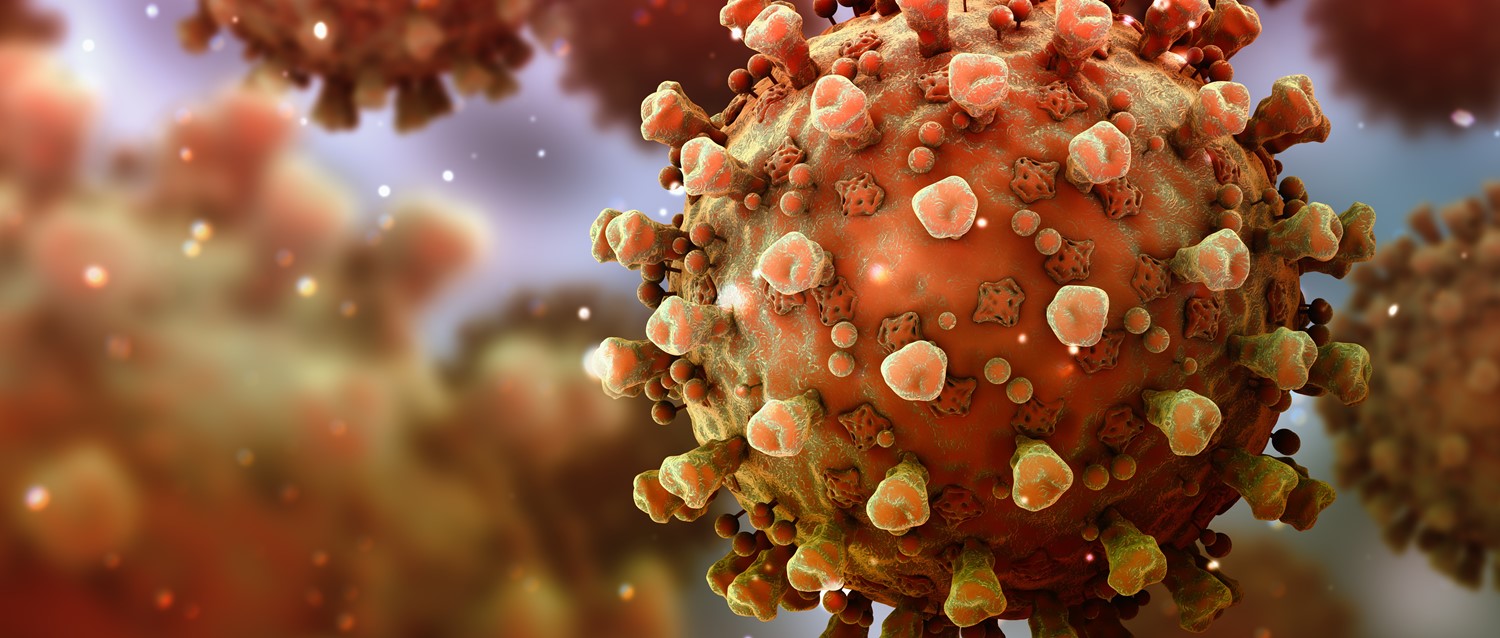
Zurück zum InhaltViruses mutate to adapt to their surroundings, so they can move more effectively between hosts. Mutations can allow viruses to reproduce more quickly, attach more easily to our cells or evade our immune systems and vaccines. Put simply, spike proteins - made of glycoproteins - protrude from the outside of coronaviruses and help them to infect human cells.
The IHU variant has 46 genetic mutations and 37 deletions, according to the French study. The Omikron variant, in comparison, is thought to have around 50 mutations. Two of the spike protein mutations in IHU - the N501Y and E484K mutations - have been detected in previously seen variants of the COVID-19 virus.
Forschung suggests the N501Y mutation, which was detected in the Alpha variant, can help the virus to bind better to human cells. The E484K mutation, found in various variants, is called an escape mutation because it helps the virus evade the body's immune defences.
However, unlike the Omicron variant, IHU has not been spreading rapidly since it was detected. Many variants of COVID-19 have occurred and will continue to happen in the future, but they are monitored closely by experts. Variants will be flagged as a cause for concern if necessary, but it's important to try not to worry about every one you hear about. It is still essential to continue taking your usual precautions, such as ensuring you are vaccinated and wearing Masken.
Lesen Sie unten weiter
WHO: Not yet a variant of concern
Zurück zum InhaltIHU has not been labelled a "variant of concern" by the World Health Organization and it has emphasised that there is no cause for concern yet. To qualify as a variant of concern, there must be evidence that the variant is:
More transmissible than other variants; and/or
Likely to cause more severe symptoms; and/or
Abdi Mahamud, the incident manager for the World Health Organization's COVID-19 Incident Management Support Team, said during a recent press conference that the B.1.640.2 variant had many chances to spread over the last two months. However, the WHO will keep a close eye on the variant.
French scientists have said more research is needed about the transmissibility of the IHU variant and that it is too early to speculate. They said: "Overall, these observations show once again the unpredictability of the emergence of new SARS-CoV-2 variants and their introduction from abroad. They exemplify the difficulty to control such introduction and subsequent spread."
How many variants of COVID-19 are there?
Zurück zum InhaltAlthough attention has focused on the most common strains of COVID-19, such as Alpha, Delta und Omikron, there are many variants of the virus.
A recent paper in the British Medical Journal lists numerous variants including Beta (first documented in South Africa in May 2020) and Gamma (identified in Brazil in November 2020). Both are considered variants of concern by the WHO. Some variants have been declared of "interest" by the organisation. This is its second-tier level of alert.
According to the paper, cases of the Eta variant have been detected in 72 countries, including the UK. The Iota variant, first identified in New York City in November 2020, has been reported in more than 50 countries.
However, not all variants spread as quickly or effectively as others. Many disappear after circulating for a shorter period of time, but some - such as Omicron - spread rapidly. There will likely be many more strains of COVID-19 in the future, which is why vaccination is so important.
Patient picks for Informationen zu Varianten

COVID-19
COVID-19: Sollten gefährdete Personen wegen Omikron Schutzmaßnahmen ergreifen?
Mit der Omikron-Variante von COVID-19, die sich in Großbritannien rasch ausbreitet, erwägt die Regierung, über Weihnachten strengere Beschränkungen einzuführen. Die bisher verfügbaren Daten zeigen, dass die Variante äußerst ansteckend ist, was insbesondere für gefährdete Personen problematisch sein könnte.
von Lydia Smith

COVID-19
COVID-19: Sollten Sie Ihre Weihnachtspläne wegen Omikron absagen?
Es ist der Endspurt vor Weihnachten, aber die Lage sieht nicht so festlich aus. Die Fälle der Omikron-Variante von COVID-19 steigen in Großbritannien schnell an, mit insgesamt über 37.000 bestätigten Fällen. Da die Gefahr besteht, dass die Krankenhäuser überfordert werden, fordern viele Wissenschaftler strengere Maßnahmen. Sollten Sie also Ihre Weihnachtspläne absagen – oder ist es sicher, sie trotzdem durchzuführen?
von Lydia Smith
Lesen Sie unten weiter
About the authorView full bio

Lydia Smith
Feature-Autorin
BA, MA, MSc
Lydia Smith ist eine preisgekrönte Journalistin und Feature-Autorin, die umfangreich über Frauengesundheit und psychische Gesundheit geschrieben hat. Derzeit studiert sie für einen MSc in Psychologie.
About the reviewerView full bio

Dr Sarah Jarvis MBE, FRCGP
Klinische Beraterin
MA (Cantab), BM, BCh (Oxon), DRCOG, FRCGP, MBE
After training in medicine at Cambridge and Oxford, Dr Sarah Jarvis MBE became a GP.
Artikelverlauf
Die Informationen auf dieser Seite werden von qualifizierten Klinikern begutachtet.
19. Jan 2022 | Neueste Version
19. Jan 2022 | Ursprünglich veröffentlicht

Fragen, teilen, verbinden.
Durchsuchen Sie Diskussionen, stellen Sie Fragen und teilen Sie Erfahrungen zu Hunderten von Gesundheitsthemen.

Fühlen Sie sich unwohl?
Bewerten Sie Ihre Symptome online kostenlos
Abonnieren Sie den Patienten-Newsletter
Ihre wöchentliche Dosis klarer, vertrauenswürdiger Gesundheitsberatung - geschrieben, um Ihnen zu helfen, sich informiert, selbstbewusst und in Kontrolle zu fühlen.
By subscribing you accept our Datenschutzrichtlinie. Sie können sich jederzeit abmelden. Wir verkaufen Ihre Daten niemals.