How to use eye ointment
Peer reviewed by Prof Cathy Jackson, MRCGPAuthored by Dr Mary Harding, MRCGPOriginally published 11 Oct 2017
Meets Patient’s editorial guidelines
- DownloadDownload
- Share
- Language
- Discussion
- Audio Version
- Add to preferred sources on Google
This leaflet gives general advice on how to use most eye ointments. However, you may be given specific instructions which may vary from the advice below. Ask your pharmacist if you have any queries.
Using an eye ointment
Wash your hands well before you use the eye ointment.
Sit or stand in front of a mirror.
Remove the cap from the tube.
Tilt your head back a little and pull the lower lid of your eye out to form a pocket.
Hold the tube upside down near to your eye.
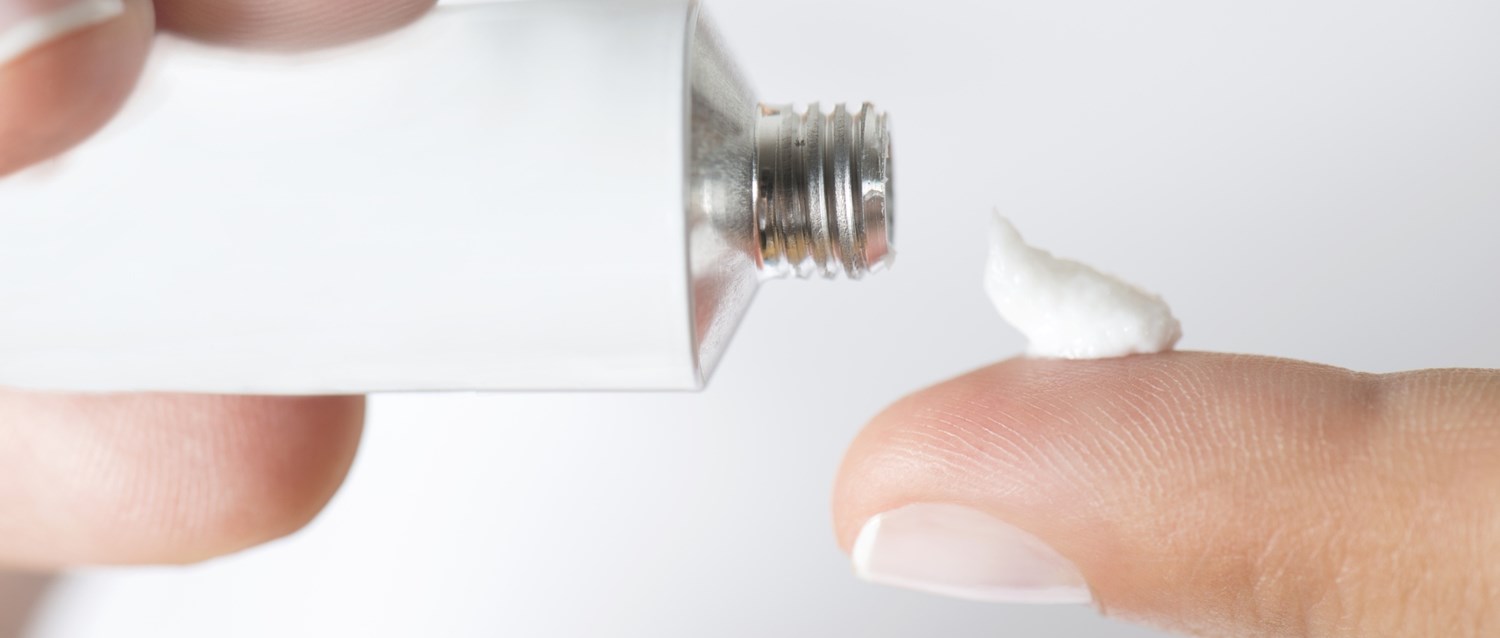
Apply enough pressure to the tube to release a thin line of ointment along the inside of the lower eyelid. Try not to touch your eye as you do this.
Close your eye for a moment or two and then blink a few times to spread the ointment around the inside of your eye.
Your vision may become a little blurred after you use an eye ointment. If you blink several times after you apply your eye ointment your vision should clear. Try not to rub your eyes.
Repeat the process in your other eye if both eyes are affected.
When you have finished, remember to replace the cap on the tube in order to prevent the ointment from becoming contaminated. Try not to touch the top of the tube.
Some points about eye ointments
Eye ointments are free from germs (sterile) before the bottle top is opened. Once it is opened:
Keep the tube closed in a cool, dark place (unless otherwise advised).
Do not let the top of the tube touch your eye, fingers, or any other surface. This is to keep it free from germs such as bacteria.
Do not let anyone else use your eye ointment and do not use anyone else's eye ointment yourself.
Throw out the tube (and get a new one if required) after the recommended time. This is often four weeks after first opening the tube. Never keep opened tubes to use later. There is a risk that the ointment may become infected if it is kept and used for longer than advised. You may wish to write the date that you opened the tube on the label so you will know when it is time to throw it out.
Some eye ointments sting or irritate for a short while. Rarely, some people are allergic to some eye ointments. Tell your doctor if eye symptoms become worse after using an eye ointment.
Do not wear contact lenses whilst using eye ointments unless otherwise advised. (Some drugs and preservatives in eye ointments can accumulate in soft contact lenses and may cause harm.)
Keep eye ointments out of children's reach.
Giving eye ointment to children
This will depend on the age and co-operation of the child but can be a challenge. Depending on their age, you can:
Sit the child with their head tilted back.
Lay them flat on their back.
Ask another adult to hold them securely.
Wrap a baby or young child in a blanket to keep their arms and legs still.
Then apply the ointment in the same way as above, taking care not to let the tube contact your child's eyelashes, eyes or skin.
Using other eye ointments or drops
If you need to use two eye ointments, you should apply one of the eye ointments as per the instructions above; then, wait about half an hour before you apply the second eye ointment. This is in order to allow enough time for the first eye ointment to be absorbed.
If you have been prescribed an eye drop as well as an eye ointment you should normally apply the eye drop first. Wait five minutes and then apply your eye ointment. See also separate leaflet called How to Use Eye Drops.
For more detailed information see the leaflet that came with your medicine.
Patient picks for Eye health

Eye health
Why is my vision worse when driving at night?
If you’re finding it harder to drive at night, there may be a reason. While external factors can affect night-time vision, this article explores other possible causes - and what you can do to support your eye health and feel more confident on the road after dark.
by Victoria Raw

Eye health
Anatomy of the eye
When you look at an object you see it because light reflects off the object and enters your eye. Your eye focuses this light into an image on the layer of the eye called the retina.
by Dr Mary Elisabeth Lowth, FRCGP
About the authorView full bio
Authored by

Dr Mary Harding, MRCGP
General Practitioner, Medical Author
BA, MA, MB, BChir, MRCGP, DFFP
Dr Mary Harding qualified from Cambridge University medical school in 1989.
About the reviewerView full bio

Prof Cathy Jackson, MRCGP
Medical Author
BSc (Hons) Physiology, MB, ChB, MRCGP, MD
Professor Cathy Jackson graduated from Manchester Medical School having gained a first-class honours degree in physiology along the way.
Article history
Article also available in English, German, Spanish, French, Italian, Portuguese, Hindi, Hebrew, Arabic, and Swedish.
11 Oct 2017 | Originally published
Authored by:
Dr Mary Harding, MRCGPPeer reviewed by
Prof Cathy Jackson, MRCGP
Join the conversation
Share your thoughts or experiences with others in our patient communities.

Ask, share, connect.
Browse discussions, ask questions, and share experiences across hundreds of health topics.

Feeling unwell?
Assess your symptoms online for free
Sign up to the Patient newsletter
Your weekly dose of clear, trustworthy health advice - written to help you feel informed, confident and in control.
By subscribing you accept our Privacy Policy. You can unsubscribe at any time. We never sell your data.