Vier-in-eins-Pille könnte Herzprobleme verhindern
Begutachtet von Natalie HealeyVerfasst von Ashwin BhandariUrsprünglich veröffentlicht 23. Aug. 2019
Erfüllt die redaktionelle Richtlinien
- HerunterladenHerunterladen
- Teilen
- Language
- Diskussion
- Ask Patient
- Audio-Version
- Zu bevorzugten Quellen bei Google hinzufügen
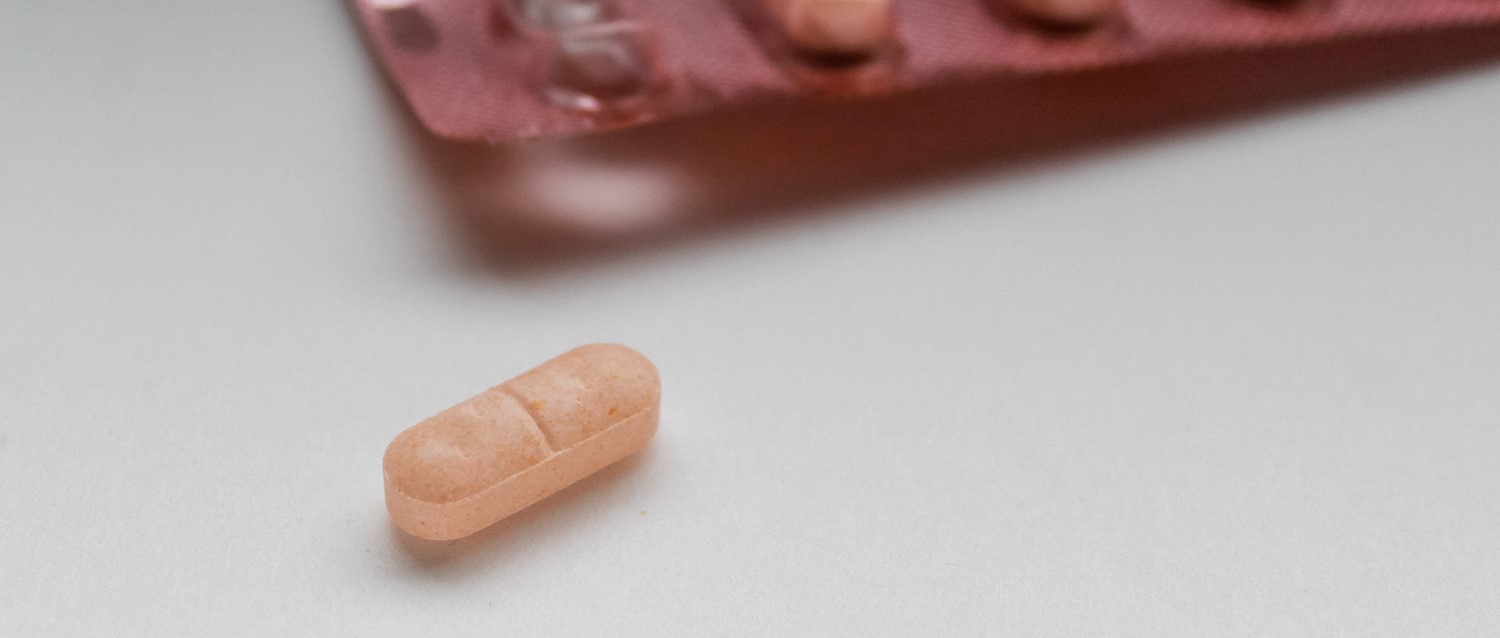
A 'polypill', which combines four different drugs, can cut the risk of heart disease and stroke, according to new research.
Explore blood pressure treatment options
Erhalten Sie fachkundige medizinische Beratung bequem von zu Hause aus. Füllen Sie eine kurze Online-Konsultation aus, die rund um die Uhr verfügbar ist. Ihre Anfrage wird von einer in Großbritannien registrierten medizinischen Fachkraft geprüft. Für ausgewählte Behandlungen ist eine Lieferung am nächsten Tag möglich.

Videoauswahl für HerzkrankheitVideothek
Taking one daily pill containing a number of different medications could reduce the risk of heart attack, Schlaganfall und heart failure.
The low-cost 'polypill' combines four drugs, including a cholesterol-lowering statin, aspirin and two medicines that prevent high blood pressure.
A study, published in The Lancet, has shown that the pill can reduce the risk of heart disease by 34%
Experts at Tehran University of Medical Sciences in Iran, recruited almost 7,000 people aged 55 and over from 236 villages in northern Iran. Each village was allocated to one of two groups.
Those in the first group were given general advice on diet, exercise and smoking. Participants in the second group were given the same advice, but were also required to take the polypill each day.
After five years, 202 people in the group that took the combination pill had suffered a heart attack or a stroke, compared with 301 in villages where only lifestyle advice was given.
Some participants reported unpleasant side effects from long-term use such as dizziness, muscle pain and indigestion. However, complications were said to be as common in those not taking the pill.
Co-author professor Tom Marshall from University of Birmingham said: "Polypills are commercially available in a number of countries for secondary prevention, but this is the largest trial confirming the value of the polypill and showing it is effective in primary prevention."
"The idea of the polypill has always been appealing, and now we know that a fixed-dose polypill can achieve clinical benefits in practice," says Professor Reza Malekzadeh from Tehran University of Medical Sciences in Iran who led the research.
Despite the benefits of the polypill, Malekzadeh stressed that this medication is not an alternative to a healthy lifestyle, and should be combined with physical activity and a balanced diet.
Dr Kate Holmes, assistant director of research, Stroke Association, said: "We know that there is a growing problem of stroke and other cardiovascular diseases in low- and middle-income countries and that preventative strategies are urgently needed if we are to address this problem. Governments who can provide access to a low-cost polypill would be making significant progress towards the World Health Organization’s goal of Universal Health Coverage, that is, for all people to receive the health services they need without suffering financial hardship."
Patientenauswahl für Herzkrankheit

Herzgesundheit und Blutgefäße
Kann man an einem gebrochenen Herzen sterben?
Menschen auf der ganzen Welt sprechen davon, an einem gebrochenen Herzen zu sterben. Tatsächlich gibt es eine Erkrankung namens Broken-Heart-Syndrom. Ihr offizieller Name ist 'Takotsubo-Kardiomyopathie' und sie wurde erstmals 1990 in Japan beschrieben.
von Dr. Sarah Jarvis
Herzgesundheit und Blutgefäße
Vier-in-eins-Pille könnte Herzprobleme verhindern
A 'polypill', which combines four different drugs, can cut the risk of heart disease and stroke, according to new research.
von Ashwin Bhandari
Über den AutorVollständige Biografie anzeigen
Verfasst von

Ashwin Bhandari
Medizinischer Autor
BA Journalismus
Über den RezensentenVollständige Biografie anzeigen

Natalie Healey
Freiberufliche Journalistin
BSc (Hons) Biomedizinische Wissenschaft
Sie ist eine in London ansässige Gesundheitsjournalistin, die seit mehreren Jahren über Wissenschaft und Medizin schreibt. Sie ist die ehemalige Leiterin der Redaktion bei Patient.
Artikelverlauf
Artikel auch verfügbar in Englisch, Deutsch, Spanisch, Französisch, Italienisch, Portugiesisch, Hindi, Hebräisch, Arabisch, und Schwedisch.
23. Aug. 2019 | Ursprünglich veröffentlicht
Verfasst von:
Ashwin BhandariBegutachtet von
Natalie Healey
Teilen Sie Ihre Gedanken oder Erfahrungen mit anderen in unserem Patientengemeinschaften.
Abonnieren Sie den Patienten-Newsletter
Ihre wöchentliche Dosis klarer, vertrauenswürdiger Gesundheitsberatung - geschrieben, um Ihnen zu helfen, sich informiert, selbstbewusst und in Kontrolle zu fühlen.
Durch das Abonnieren akzeptieren Sie unsere Datenschutzrichtlinie. Sie können sich jederzeit abmelden. Wir verkaufen Ihre Daten niemals.