Ist es die Grippe oder nur eine Erkältung?
Begutachtet von Dr Sarah JarvisZuletzt aktualisiert von Kerry Taylor-SmithZuletzt aktualisiert 25. Okt 2018
Entspricht den redaktionellen Richtlinien
- HerunterladenHerunterladen
- Teilen
- Language
- Diskussion
- Audio-Version
- Zu bevorzugten Quellen bei Google hinzufügen
The season is upon us - it's that time of year when everyone reaches for the cold and flu medicine at the slightest hint of a cough or runny nose - but which is it, a cold, or the flu?
Gesponsert
NHS Bleiben Sie diesen Winter gesund
Unterstützt von NHS Stay Well This Winter. Patient.info behält die alleinige Kontrolle über den Inhalt.

It's a cold ...
Der Erkältung is a viral infection of the nose and upper airways that can be caused by any number of viruses. And, true to its name, they are common - adults can expect to experience two to four colds a year, children will catch between five and six, while nursery-aged children might experience up to 12 bouts year.
Symptoms include blocked nose or congestion, a runny nose, coughing and sneezing, along with a mild high temperature and generally feeling unwell. Symptoms are usually at their worst after two or three days and gradually clear, although the cough may linger for another couple of weeks as the inflammation in the airways caused by the infection subsides.
It's the flu ...
Grippe is also caused by a virus, specifically the influenza virus. Symptoms are similar to those of a cold, but the flu also causes fever, fatigue, aches and pains in the muscles/joints, headaches and nausea.
"The flu is far more severe than the 'common cold'. The symptoms, although similar, are more dramatic and last longer. Telltale signs it might be flu rather than just a cold include having a very high fever, Kopfschmerzen, body aches and extreme lethargy. With a cold, aches are usually mild and fever not so apparent," explains GP Dr Dinesh Silva from Doctaly.com.
"Flu typically lasts between one to two weeks with the worst symptoms coming after three to four days. That said, it can take longer to overcome the fatigue and weakness that accompany flu and the dry cough most people experience can hang around for a while as well."
Behandlung und Prävention
There are no specific treatments for the common cold or influenza; however, there are many ways to ease their symptoms including:
Paracetamol oder Ibuprofen to ease aches and pains.
Drinking plenty of fluids to prevent dehydration, particularly if there is a fever.
Vapour rubs to clear stuffy noses - but only use on the chest and back and not under the nose.
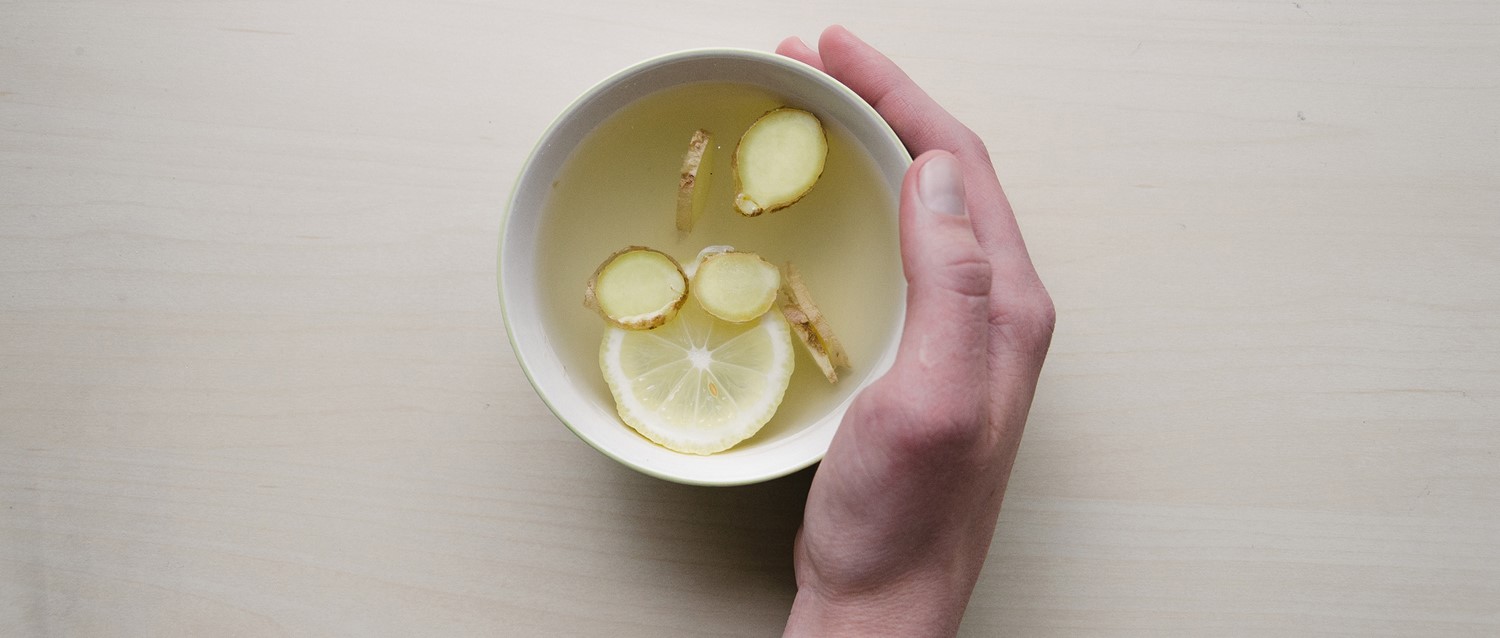
Warm honey and lemon drinks, decongestant drops and cough sweets may ease throat and nose symptoms.
Steam inhalation may be useful for some although there is little evidence it helps.
Many sufferers turn to over-the-counter cold and flu medicines to lessen their symptoms. Since many of these contain paracetamol and decongestants, care should be taken if using more than one medicine, to avoid taking too much of one ingredient. It should also be noted that decongestant sprays should only be used for short periods as their effect is short-lived and, if these are overused, the nose may actually become stuffier.
Both illnesses are passed from person to person via droplets in coughs and sneezes, or touching a surface where the virus has landed. Simple steps can be taken to prevent the viruses from spreading, including regularly washing hands with soap and water and avoiding close contact with those infected - even children sharing toys can cause the virus to spread.
Should I get the flu jab?
Make no mistake - flu kills. To put the risks into perspective, deaths from the common cold are vanishingly rare, except in people with other serious health conditions such as COPD. Flu, by contrast, was associated in almost 16,000 deaths in England alone in 2017/8. In 2016/7, the figure was even higher at 17,600. Older people, pregnant women, small children and people with long-term health conditions are particularly vulnerable to life-threatening complications such as Lungenentzündung.
"The flu is potentially life-threatening. Every year there are thousands of deaths from the flu and many more numbers requiring hospitalisation," explains Silva. "The flu virus can be extremely dangerous to vulnerable people which is why the NHS offers the immunisation to at-risk groups, which include those over 65, pregnant women and people with long-term conditions, especially those affecting the lungs, such as asthma, emphysema and chronic bronchitis."
"It is vital that people with asthma get the Grippeimpfung as it will not only prevent them getting flu, it could prevent a life-threatening asthma attack. An estimated 4 million people in the UK say that colds and flu trigger their asthma symptoms," added GP Dr Andy Whittamore, clinical lead at Asthma UK.
"The best way for people with asthma to stay well this season is to have the flu vaccine and continue to take their medicines as prescribed - including their preventer inhaler. The flu vaccine can take up to two weeks to be fully effective, so people with asthma should get it as soon as possible so they're protected during the 'peak flu' season in December and January."
Primary school-aged children are also offered a flu vaccination in the form of a Nasal Spray while toddlers aged 2 and 3 years can have it at their general practice. Many employers also offer the flu jab as a means of reducing sick leave and ensuring productivity.
"In an ideal world, everyone should be offered the jab; however, the NHS currently prioritises it to the most vulnerable," adds Silva. "This is the most cost-effective way of reducing the burden on hospitals during the flu season."
Fazit
It is impossible to prevent the common cold and influenza, but common sense and good hygiene mean that its spread can be somewhat contained. It seems wise to have the flu vaccination if offered it; although it doesn't provide 100% immunity, it will significantly lower your risk - and the risk of others around you - of catching the flu.
Patientenauswahl für Grippe und Impfung

Infektionen
Wie Sie Ihren Grippeimpftermin vor dem Winter buchen
Der Winter naht und mit ihm steigt das Risiko, sich eine Grippe einzufangen. Die Grippe kann viele von uns elend und tagelang ans Bett gefesselt zurücklassen, aber für manche Menschen können die Auswirkungen schwerwiegender oder sogar lebensbedrohlich sein. Sich gegen Grippe impfen zu lassen, ist der beste Weg, um sich selbst und andere zu schützen - und so bekommen Sie Ihre Impfung.
von Lydia Smith

Infektionen
Können Zink-Lutschtabletten vor Husten, Erkältungen, Grippe und COVID-19 schützen?
Zink hilft unserem Immunsystem, Infektionen der oberen Atemwege (URTIs) wie Husten, Erkältungen und Grippe, einschließlich COVID-19, zu bekämpfen. Angesichts der COVID-19-Pandemie legen neue Forschungen nahe, dass die Einnahme von Zink-Lutschtabletten oder -Nahrungsergänzungsmitteln sowohl zur Vorbeugung als auch zur Verkürzung der Dauer dieser Krankheiten beitragen kann.
von Amberley Davis
Über den AutorVollständige Biografie anzeigen

Kerry Taylor-Smith
Freiberufliche Journalistin
BSc (Hons) Naturwissenschaften
Kerry ist seit 2016 freiberufliche Autorin, Redakteurin und Korrekturleserin; sie ist auf wissenschaftliche und gesundheitsbezogene Themen spezialisiert.
Über den RezensentenVollständige Biografie anzeigen

Dr. Sarah Jarvis
Klinische Beraterin
MA (Cantab), BM, BCh (Oxon), DRCOG, FRCGP, MBE
Nach ihrer medizinischen Ausbildung in Cambridge und Oxford wurde Dr. Sarah Jarvis MBE Hausärztin.
Artikelverlauf
Die Informationen auf dieser Seite werden von qualifizierten Klinikern begutachtet.
Artikel auch verfügbar in Englisch, Deutsch, Spanisch, Französisch, Italienisch, Portugiesisch, Hindi, Hebräisch, Arabisch, und Schwedisch.
25. Okt 2018 | Neueste Version

Fragen, teilen, verbinden.
Durchsuchen Sie Diskussionen, stellen Sie Fragen und teilen Sie Erfahrungen zu Hunderten von Gesundheitsthemen.

Fühlen Sie sich unwohl?
Bewerten Sie Ihre Symptome online kostenlos
Abonnieren Sie den Patienten-Newsletter
Ihre wöchentliche Dosis klarer, vertrauenswürdiger Gesundheitsberatung - geschrieben, um Ihnen zu helfen, sich informiert, selbstbewusst und in Kontrolle zu fühlen.
Durch das Abonnieren akzeptieren Sie unsere Datenschutzrichtlinie. Sie können sich jederzeit abmelden. Wir verkaufen Ihre Daten niemals.
Mehr zu Infektionen
- Blasenentzündung bei Männern
- STI-Tests für zu Hause: wie sie funktionieren und was Sie erwarten können
- Flitterwochen-Zystitis: Was ist das und wie kann man es vermeiden
- Eltern werden aufgefordert, ihre Kinder zu impfen, da das Vereinigte Königreich den Status als masernfrei verliert
- Mythen über Gürtelrose, die Sie nicht mehr glauben sollten
- Sollten Sie und Ihre Familie die Meningitis-Impfung erhalten?
- Der beste Weg, einen Herpesausbruch zu behandeln
- Video: Wie bekommt man bakterielle Meningitis?
- Was verursacht Blut im Urin?
- AktualisiertWelche Kinderkrankheiten können Erwachsene bekommen?
- Was ist eine Harnwegsinfektion und wie bekommt man sie?
- Wie das Leben mit HIV heute ist
- Welche Nebenwirkungen sind mit dem Gelbfieber-Impfstoff verbunden?
- Was tun, wenn Sie ein infiziertes eingewachsenes Haar haben
- Was man bei einer Gastroenteritis essen sollte
- Was Sie über HPV wissen müssen
- Warum sind einige Viren saisonal?
- Warum Masern auf dem Vormarsch sind
- Warum Impfungen so wichtig sind
- Warum Sie die Grippeimpfung in Betracht ziehen sollten